
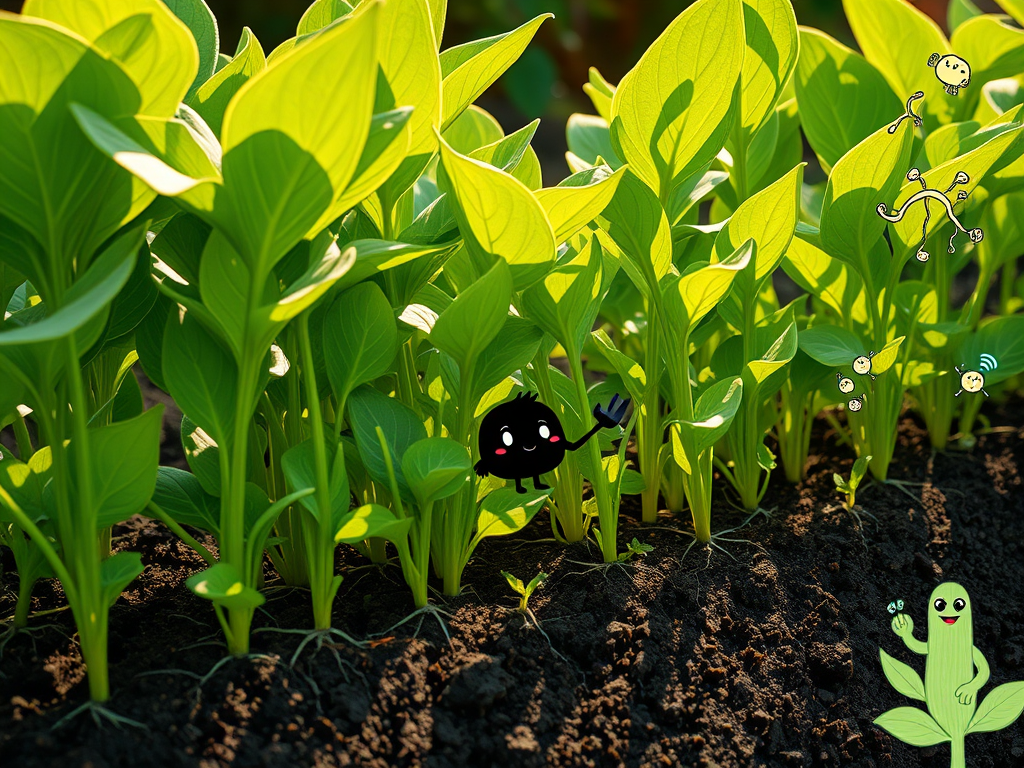
Pesticide contamination is a persistent environmental challenge, affecting soil health, water quality, and biodiversity. A recent study published in Journal of Hazardous Materials Advances by Hesam Kamyab and colleagues explores how biocharBiochar is a carbon-rich material created from biomass decomposition in low-oxygen conditions. It has important applications in environmental remediation, soil improvement, agriculture, carbon sequestration, energy storage, and sustainable materials, promoting efficiency and reducing waste in various contexts while addressing climate change challenges. More can serve as a carrier for plant growth-promoting bacteria (PGPB) to enhance pesticide phytoremediationThis is a technique that uses plants to clean up contaminated soil or water. Biochar can enhance phytoremediation by improving soil conditions and promoting plant growth, allowing plants to absorb and break down pollutants more effectively. More. By providing a stable habitat for microbes, biochar improves bacterial colonization, supports plant health, and accelerates pollutant degradation.
Biochar has long been recognized for its role in soil remediation. This study highlights how its porous structure creates a protective environment for PGPB, improving microbial survival rates in harsh, pesticide-laden soils. The researchers analyzed biochar’s ability to support bacterial strains capable of breaking down pesticides through enzymatic degradation, biosorption, and co-metabolism.
Key findings showed that biochar-immobilized PGPB enhanced pesticide degradation efficiency by up to 68% compared to non-biochar treatments. The study also evaluated biochar’s role in soil health restoration. Biochar-amended soils exhibited higher nutrient retention, improved water-holding capacity, and increased microbial diversity. These benefits not only aided in pesticide breakdown but also promoted overall plant vigor, reducing the need for chemical fertilizers.
Despite these advantages, the scalability of biochar-based phytoremediation requires further investigation. The researchers suggest optimizing biochar properties, such as particle size and surface chemistry, to maximize bacterial loading and pesticide adsorption. Future studies should also assess long-term environmental impacts and cost-effectiveness to support widespread agricultural adoption.
This research underscores the potential of biochar and PGPB as a nature-based solution for mitigating pesticide pollution. By integrating these technologies into sustainable farming practices, we can improve soil resilience, enhance crop productivity, and protect ecosystems from harmful agrochemicals.
Source: Kamyab, H., Chelliapan, S., Khalili, E., Rezania, S., Balasubramanian, B., Taheri, M. M., Simancas-Racines, D., Rajendran, S., & Yusuf, M. (2025). Biochar as a carrier for plant growth-promoting bacteria in phytoremediation of pesticides. Journal of Hazardous Materials Advances.





Leave a Reply