
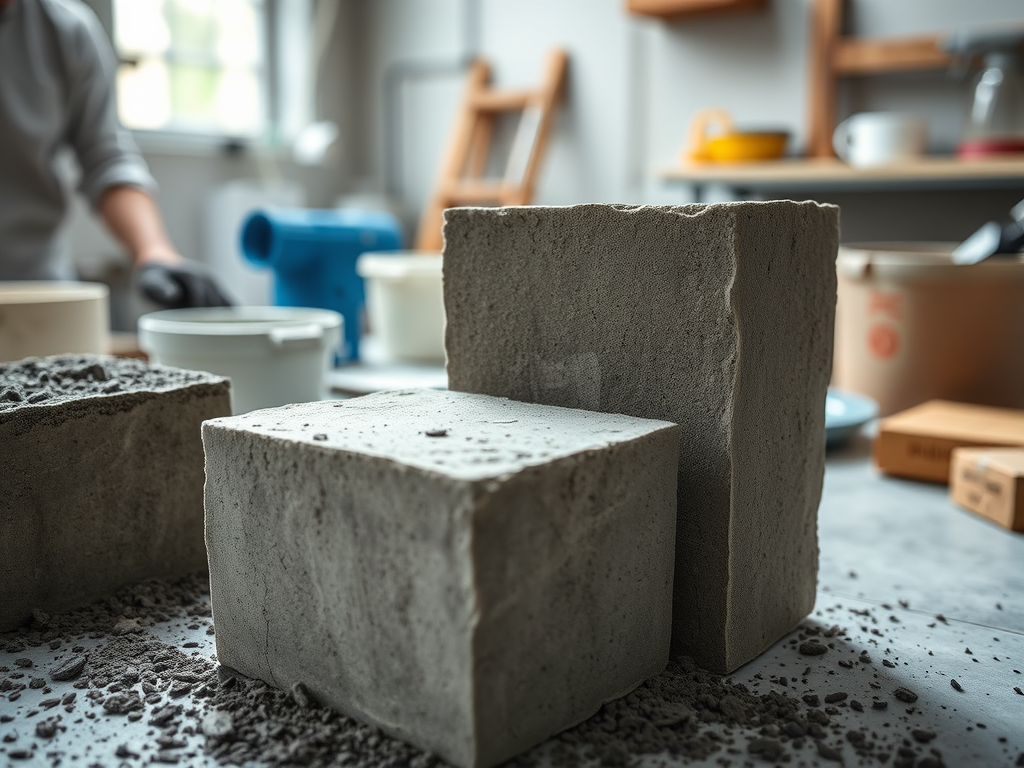
Mahi et al., in Smart Green Materials, reviewed the potential of biocharBiochar is a carbon-rich material created from biomass decomposition in low-oxygen conditions. It has important applications in environmental remediation, soil improvement, agriculture, carbon sequestration, energy storage, and sustainable materials, promoting efficiency and reducing waste in various contexts while addressing climate change challenges. More as a sustainable alternative to traditional cement in concrete production. The environmental impact of cement manufacturing and the depletion of natural resources have driven the search for eco-friendly alternatives. Biochar, a carbon-rich material produced from biomassBiomass is a complex biological organic or non-organic solid product derived from living or recently living organism and available naturally. Various types of wastes such as animal manure, waste paper, sludge and many industrial wastes are also treated as biomass because like natural biomass these More, has emerged as a promising candidate due to its unique properties, such as high surface area, porosityPorosity of biochar is a key factor in its effectiveness as a soil amendment and its ability to retain water and nutrients. Biochar’s porosity is influenced by feedstock type and pyrolysis temperature, and it plays a crucial role in microbial activity and overall soil health. Biochar More, and cation exchange capacity.
The study investigated the effects of biochar inclusion on the mechanical properties of concrete, focusing on compressive, tensile, and flexural strengths. Research indicates that biochar can enhance early-age compressive strength, with some studies showing an increase of up to 40% at a 2% biochar replacement rate. However, higher biochar doses can decrease strength due to increased porosity and water demand.
The study also examined the impact of biochar on flexural and tensile strengths. Flexural strength showed significant improvements, particularly with presoaked biochar and certain feedstocks. Tensile strength benefits were observed at lower replacement levels. The findings suggest that biochar has the potential to be used as a supplementary cementitious material for sustainable concrete production.
SOURCE: Mahi, M. S. H., Dinar, M. A. M. I., & Ridoy, T. A. (2025). Biochar as a Sustainable Cement Replacement for Enhancing Concrete Composite Properties: A Review. Smart Green Materials, 2(1).




Leave a Reply