
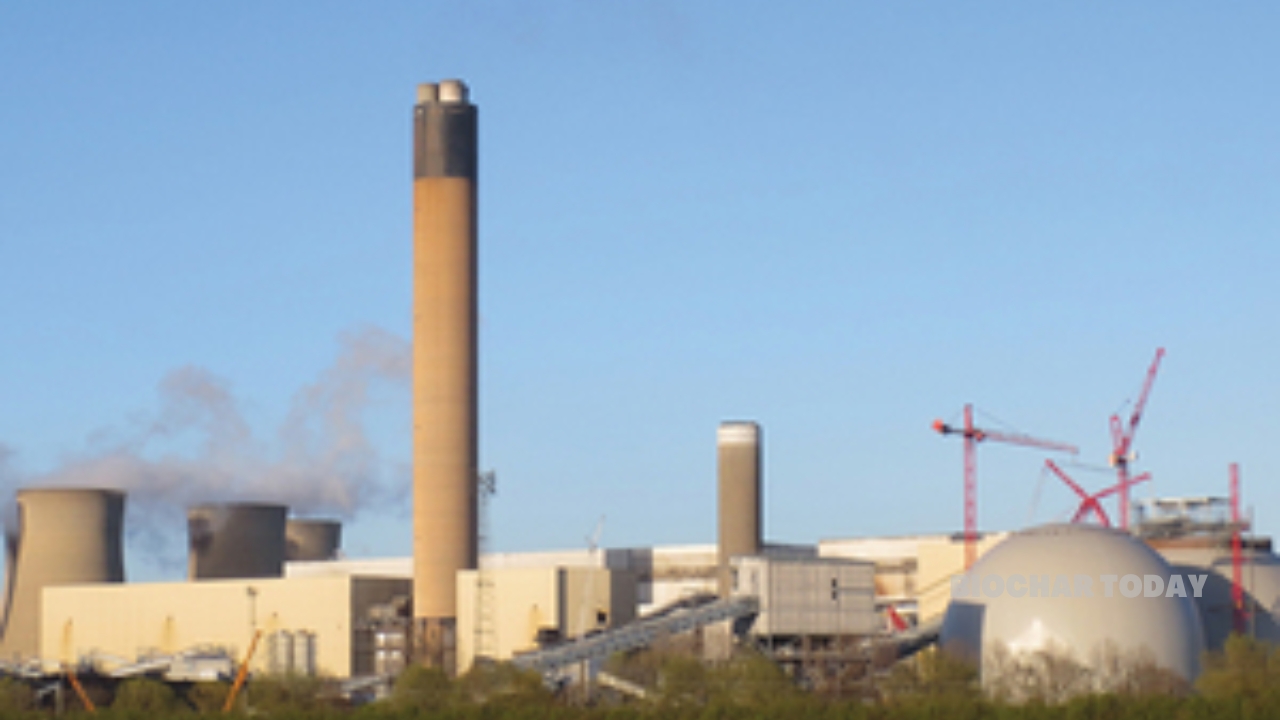
The United Kingdom’s Environment Agency has officially granted a permit variation to Drax Power Ltd., authorizing the implementation of carbon capture technology at the Drax Power Station. This regulatory approval follows an extensive application process that began in May 2023, encompassing multiple public consultation periods. While the permit change serves as a critical milestone for the facility’s potential transition to bioenergy with carbon capture and storage (BECCS), it arrives amid a period of strategic investment reevaluation by the company.
The major challenge facing the implementation of this technology is the absence of a supportive regulatory framework and a stable political environment necessary for large-scale capital investment in the United Kingdom. Although the technological path for carbon capture is now legally cleared, Drax’s internal assessments have highlighted significant risks. Without robust policy backing, the financial viability of such massive infrastructure projects remains uncertain, complicating the deployment of BECCS technologies despite their long-term importance to national Net Zero strategies.
To facilitate the potential transition, the permit variation allows for substantial site modifications. These include the installation of a post-combustion carbon capture system (PCC), the construction of a new effluent treatment plant for the quencher tower, and modifications to the flue gas layout and abatement units for units five and six. Furthermore, the permit authorizes the inclusion of hydrogen production activities and shifts in the management of furnace bottom ashAsh is the non-combustible inorganic residue that remains after organic matter, like wood or biomass, is completely burned. It consists mainly of minerals and is different from biochar, which is produced through incomplete combustion. Ash Ash is the residue that remains after the complete More infrastructure. These engineering solutions are designed to prepare the facility to capture carbon dioxide for transport and permanent storage under the North Sea.
While the technical authorization has been secured, the actual outcome remains speculative in the short term. In February 2026, Drax announced it would deprioritize its immediate investments in BECCS to focus on projects with more balanced risk-return profiles. Consequently, the company impaired the carrying amount of the development project, valued at £47.6 million. The permit variation establishes the necessary conditions for future deployment; however, the project’s advancement is now contingent upon a shift in the regulatory and political landscape to justify the necessary capital allocation.





Leave a Reply