
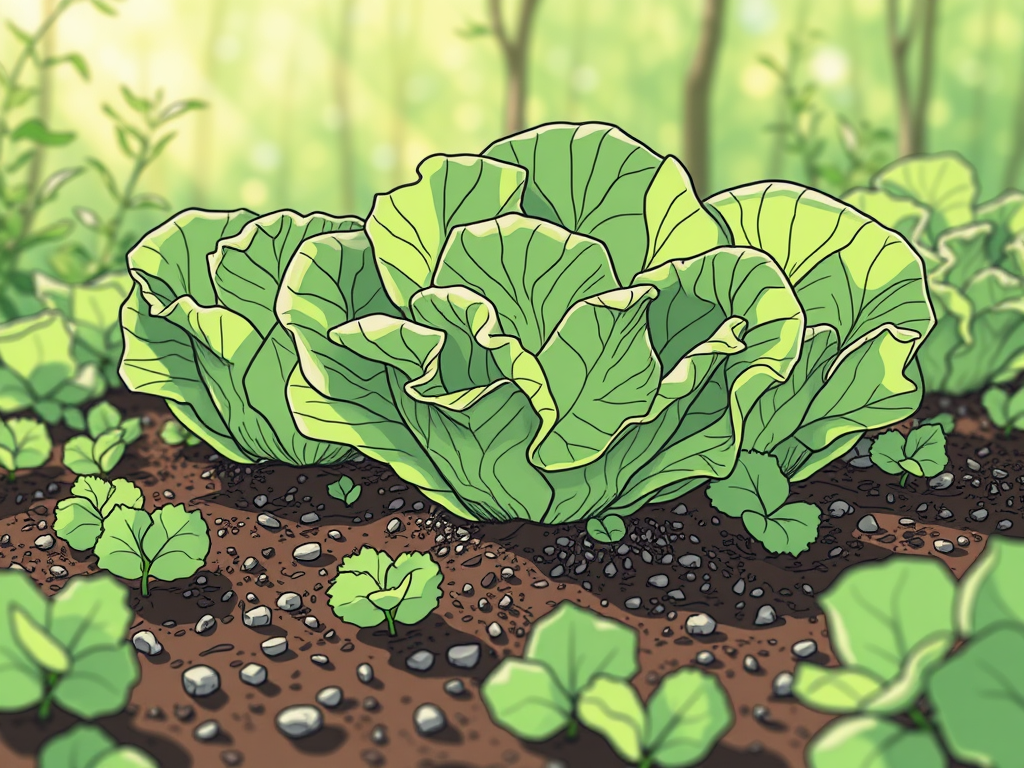
BiocharBiochar is a carbon-rich material created from biomass decomposition in low-oxygen conditions. It has important applications in environmental remediation, soil improvement, agriculture, carbon sequestration, energy storage, and sustainable materials, promoting efficiency and reducing waste in various contexts while addressing climate change challenges. More has emerged as a promising material for environmental remediation, yet its long-term effectiveness is influenced by natural aging processes that alter its physicochemical properties. A recent study published in Horticulturae by Yanyan Lu, Xiaoyi Zhao, Yuxuan Li, Guanlin Li, Guizhu Wu, Qianwu Wang, Jian Li, and Daolin Du, investigates the impact of aged biochar on the remediation of cadmium (Cd)-contaminated soil and greenhouse gas (GHG) emissions during Chinese cabbage growth. The research utilized biochar derived from Canada goldenrod (Solidago canadensis L.), an invasive plant, which offers a win-win scenario for resource utilization and ecological benefit.
The study employed artificial aging processes, including freeze-thaw cycles, dry-wet cycles, and hydrogen peroxide oxidation, to simulate natural aging. These processes significantly altered the biochar’s properties and structure; for instance, the pHpH is a measure of how acidic or alkaline a substance is. A pH of 7 is neutral, while lower pH values indicate acidity and higher values indicate alkalinity. Biochars are normally alkaline and can influence soil pH, often increasing it, which can be beneficial More decreased from 8.8 (pristine biochar) to 8.1 (aged biochar), and the specific surface area reduced by approximately 49.6% (from 24.8 m²/g to 12.5 m²/g). Conversely, aged biochar exhibited an approximate 58.6% increase in pore size and significantly higher electrical conductivity.
The results demonstrated that aged biochar effectively remediated Cd-contaminated soil. Aged biochar reduced plant uptake of Cd by as much as 36.6% and soil available Cd concentrations by up to 34.0%. This beneficial effect is attributed to improved soil physicochemical properties and an increased abundance of functional bacteria. Furthermore, biochar application generally increased plant biomassBiomass is a complex biological organic or non-organic solid product derived from living or recently living organism and available naturally. Various types of wastes such as animal manure, waste paper, sludge and many industrial wastes are also treated as biomass because like natural biomass these More, with a promotion of 63.9% to 111.3% compared to control treatments. This indicates that biochar alleviated Cd toxicity, which otherwise inhibits Chinese cabbage growth, thereby promoting biomass accumulation.
In terms of greenhouse gas emissions, biochar addition had no significant effect on methane ( CH4) emissions. However, it consistently decreased cumulative nitrous oxide (N2O) emission across all treatments. For example, greater cumulative N2O emission was associated with the control group (1.04 kg/ha) compared to the average across other biochar treatments (0.26 kg/ha). Conversely, pristine biochar applied at a 5% rate (PB-5%) increased cumulative carbon dioxide ( CO2) emission by an average of 37.3% compared to other treatments. This increase in CO2 emission from PB-5% treated soils was likely due to increased labile carbon components and stimulated microbial activity, shifting soil bacterial life history strategies towards copiotrophs. Aged biochar, however, showed no effect on microbial life strategy or the Shannon index. This study underscores the potential of aged biochar as a sustainable solution for both heavy metal remediation and greenhouse gas management in agricultural systems.
Source: Lu, Y., Zhao, X., Li, Y., Li, G., Wu, G., Wang, Q., Li, J., & Du, D. (2025). Effects of Aged Biochar on Remediation of Cd-Contaminated Soil and Greenhouse Gas Emission in Chinese Cabbage (Brassica chinensis L.) Growth. Horticulturae, 11(7), 800.




Leave a Reply