
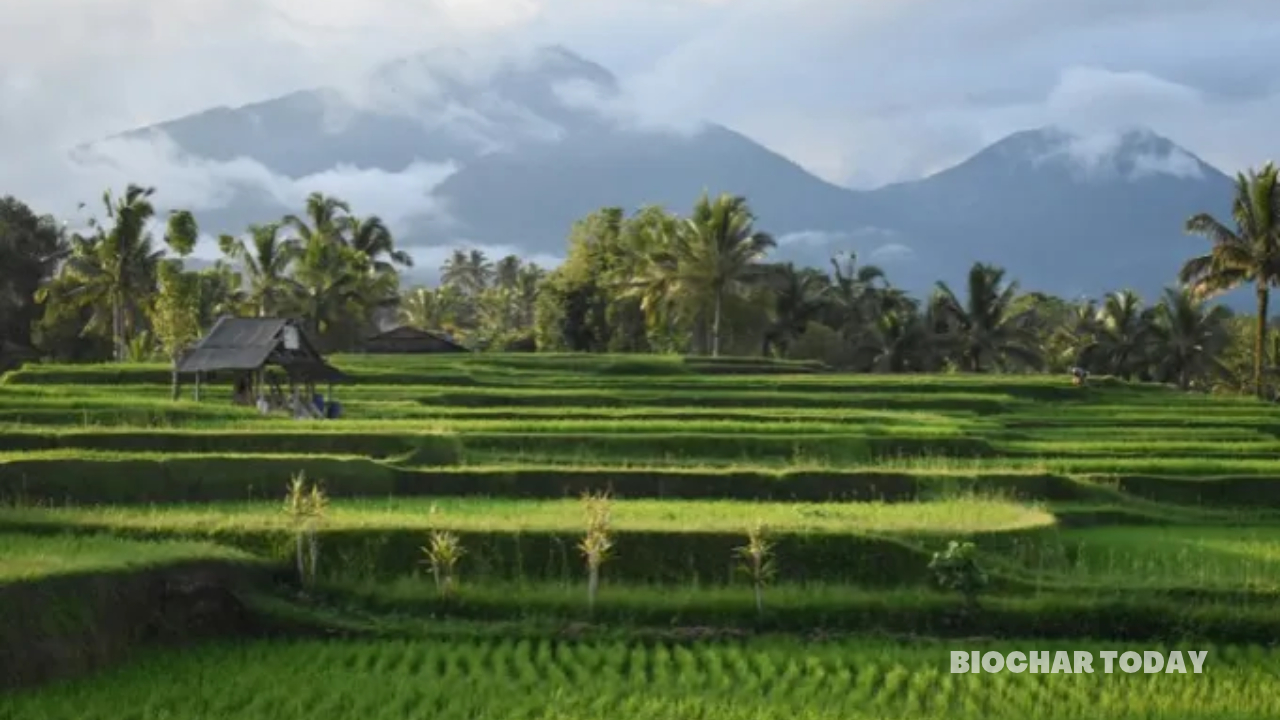
At the COP31 conference in Türkiye, the Asosiasi BiocharBiochar is a carbon-rich material created from biomass decomposition in low-oxygen conditions. It has important applications in environmental remediation, soil improvement, agriculture, carbon sequestration, energy storage, and sustainable materials, promoting efficiency and reducing waste in various contexts while addressing climate change challenges. More Indonesia Internasional (ABII) announced expanded partnerships with Indonesia’s Ministry of Environment and international stakeholders to strengthen the domestic biochar carbon dioxide removal (CDR) ecosystem. Operating in alignment with Indonesia’s Presidential Regulation No. 110 of 2025, these collaborations focus on establishing quality standards, policy coordination, project development, and Monitoring, Reporting, and Verification (MRV) protocols to integrate biochar into Indonesia’s national carbon governance framework, including SRUK.
The central challenge addressed by these initiatives is twofold: mitigating the environmentally harmful practice of open agricultural crop-burning across Indonesia while resolving structural barriers to carbon market entry. Scaling credible biochar CDR requires overcoming gaps in regulatory alignment, standardized sustainability metrics, and reliable verification systems. Without rigorous scientific integrity and public-private coordination, domestic producers face difficulties demonstrating market readiness and securing access to global carbon removal buyers.
To resolve these issues, ABII is focusing on the Sawa EcoSolutions pilot project in Majalengka, West Java. Launched in 2022 to convert crop residues rather than burn them, the initiative leverages international partners—specifically Offset8 Capital, Puro.earth, and BlueLayer—to supply specialized expertise in investment, carbon certification, project development, and digital MRV (dMRV) capabilities. Concurrently, ABII is facilitating dialogue among government ministries, industry participants, and foreign entities to establish uniform national quality and sustainability benchmarks.
These coordinated efforts are structured to improve project market readiness, streamline dMRV implementation, and secure formal pathways for Indonesian biochar credits within both national registries and international voluntary markets. By pairing domestic regulatory frameworks with international certification and financing mechanisms, ABII and its partners aim to establish a transparent, high-integrity CDR sector and position Indonesia as a credible supplier in the global carbon removal market.


Leave a Reply