Skip to content
LinkedIn
X
Facebook
Instagram
Reddit
Spotify
RSS Feed
Search
News
Blog
Ask Annie
Spill the Char
Expert Profiles
Videos
Use Cases
Agriculture
Horticulture
Livestock
Landscaping
Building Materials
Concrete / Asphalt
Reforestation
Soil Remediation
Water Treatment
Carbon Sequestration
The Biochar Show
Store
About
Partner Directory
Editorial Guidelines
Contact
Science
Iron Modified Orange Peel Biochar Achieves Over Ninety Percent Removal of Emerging Antibiotic Contaminants from Wastewater
Optimal Biochar Application Strategies Could Avoid up to Fifty Percent of Annual Nitrous Oxide Emissions from Chinese Croplands
Green-Synthesized Iron Nanoparticles Enhance Biochar Fertilizer Efficiency by Over Forty Percent to Reduce Global Greenhouse Gas Emissions
Highly Conductive Graphitized Biochar Increases Active Iron Generation by Nearly Nineteen Percent to Accelerate Antibiotic Degradation in Paddy Soils
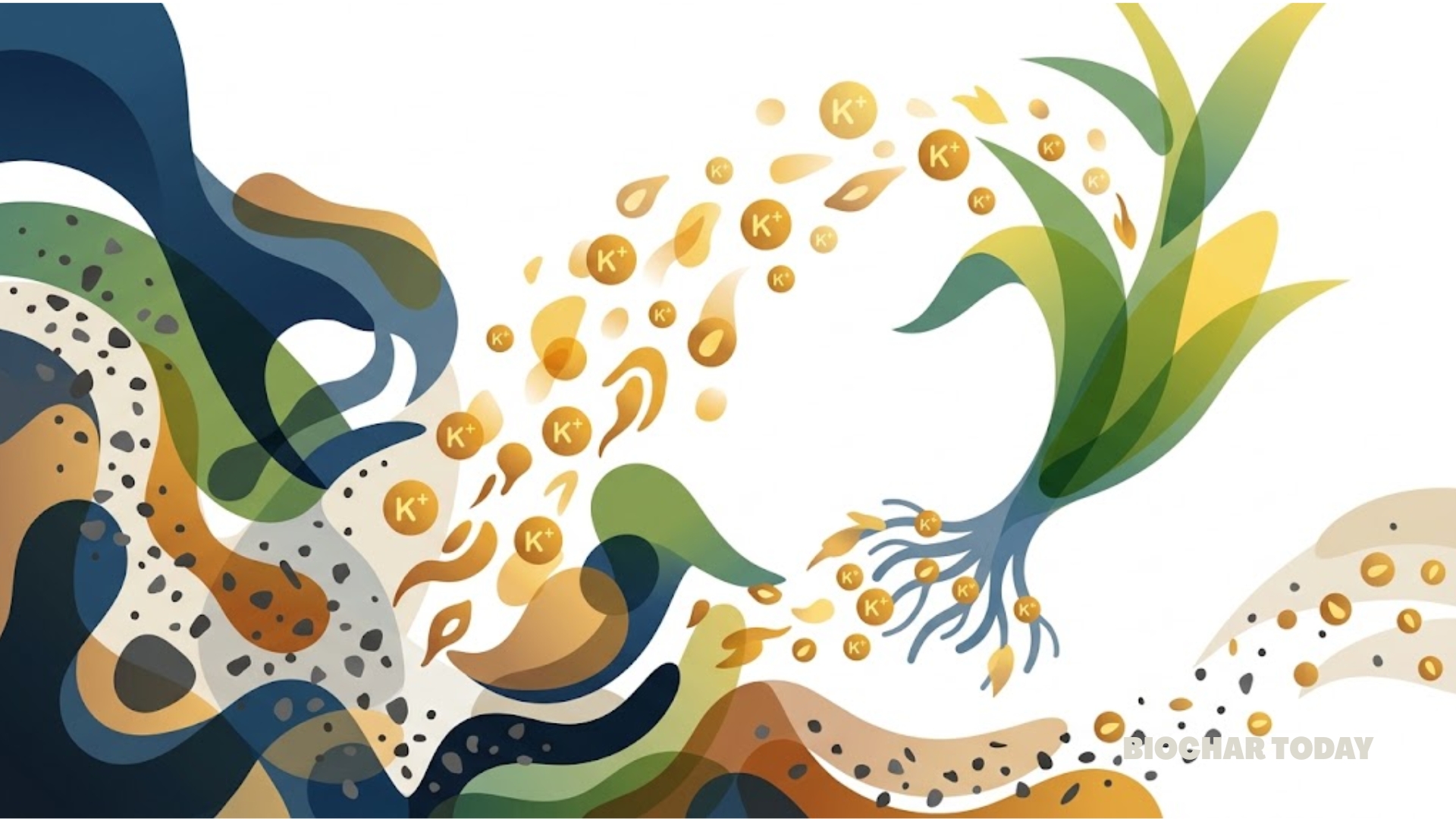
Long-Term Biochar Application Increases Soil Available Potassium by up to Eighteen Percent and Boosts Maize Potassium Uptake by Forty-Three Percent
Sorghum Cultivar Biochar Reduces Carbon Dioxide Emissions by Over Two Hundred Percent Compared to Raw Plant Waste
Hierarchical Porous Biochar from Banana Straw Achieves a Surface Area Increase from Seven to Nine Hundred Sixty Square Meters per Gram
Biochar Application Within Optimal Thresholds Can Increase Soil Water-Holding Capacity by 14.3% and Reduce Greenhouse Gas Emissions by 31.5%
Novel Biochar Nanosphere Hybrids Achieve a Maximum Uranium Adsorption Capacity of 203.4 Milligrams per Gram to Support Seawater Extraction
Hyperaccumulating Plants Can Remove Over Ten Thousand Milligrams of Toxic Nickel per Kilogram of Dry Biomass to Clean Contaminated Soil
Previous Page
1
…
11
12
13
14
15
…
334
Next Page
Loading Comments...
Write a Comment...
Email (Required)
Name (Required)
Website