


By Tim de Rosen (CEO, Hemp Carbon Standard Inc.)
As the world grapples with the escalating climate crisis, innovative solutions that offer sustainable carbon sequestration are urgently needed. Among these, biocharBiochar is a carbon-rich material created from biomass decomposition in low-oxygen conditions. It has important applications in environmental remediation, soil improvement, agriculture, carbon sequestration, energy storage, and sustainable materials, promoting efficiency and reducing waste in various contexts while addressing climate change challenges. More produced from industrial hemp residues stands out as a promising approach. This article explores the competitive advantages of using industrial hemp residues as a feedstockFeedstock refers to the raw organic material used to produce biochar. This can include a wide range of materials, such as wood chips, agricultural residues, and animal manure. More for biochar production and its application on First Nations farms, highlighting its potential to contribute significantly to climate action and community empowerment.
The Advantages of Industrial Hemp Residues
Industrial hemp is an extraordinary plant known for its rapid growth cycle and minimal need for chemical inputs, making it an environmentally friendly crop. When the residues of this plant are used to produce biochar, the benefits are manifold:
Sustainability. Hemp requires fewer pesticides and fertilizers compared to other crops, reducing the environmental footprint of its cultivation. It also enhances soil health through its deep root systems, which help prevent erosion and improve soil structure.
High Carbon Sequestration Potential. Hemp captures carbon efficiently during its growth. When transformed into biochar through pyrolysisPyrolysis is a thermochemical process that converts waste biomass into bio-char, bio-oil, and pyro-gas. It offers significant advantages in waste valorization, turning low-value materials into economically valuable resources. Its versatility allows for tailored products based on operational conditions, presenting itself as a cost-effective and efficient More or gasification—a process that thermally decomposes organic material in the absence or near-absence of oxygen—this captured carbon is converted into a stable form that resists degradation. The stability of biochar is indicated by its low hydrogen to organic carbon (H/C_org) ratio, with lower ratios reflecting greater stability and resistance to decomposition.
Versatility in Applications. Biochar can be used in various applications, including soil amendmentA soil amendment is any material added to the soil to enhance its physical or chemical properties, improving its suitability for plant growth. Biochar is considered a soil amendment as it can improve soil structure, water retention, nutrient availability, and microbial activity. More, orphaned oil well remediation, and as an additive in construction materials like hempcrete. Each application not only locks carbon away from the atmosphere but also provides additional environmental and economic benefits.
Environmental and Economic Benefits
The environmental benefits of using industrial hemp residues for biochar production are significant:
Long-Term Carbon Storage. Biochar’s stability ensures that the carbon it sequesters remains stored for centuries. This long-term storage is crucial in the fight against climate change, as it significantly delays the return of carbon to the atmosphere.
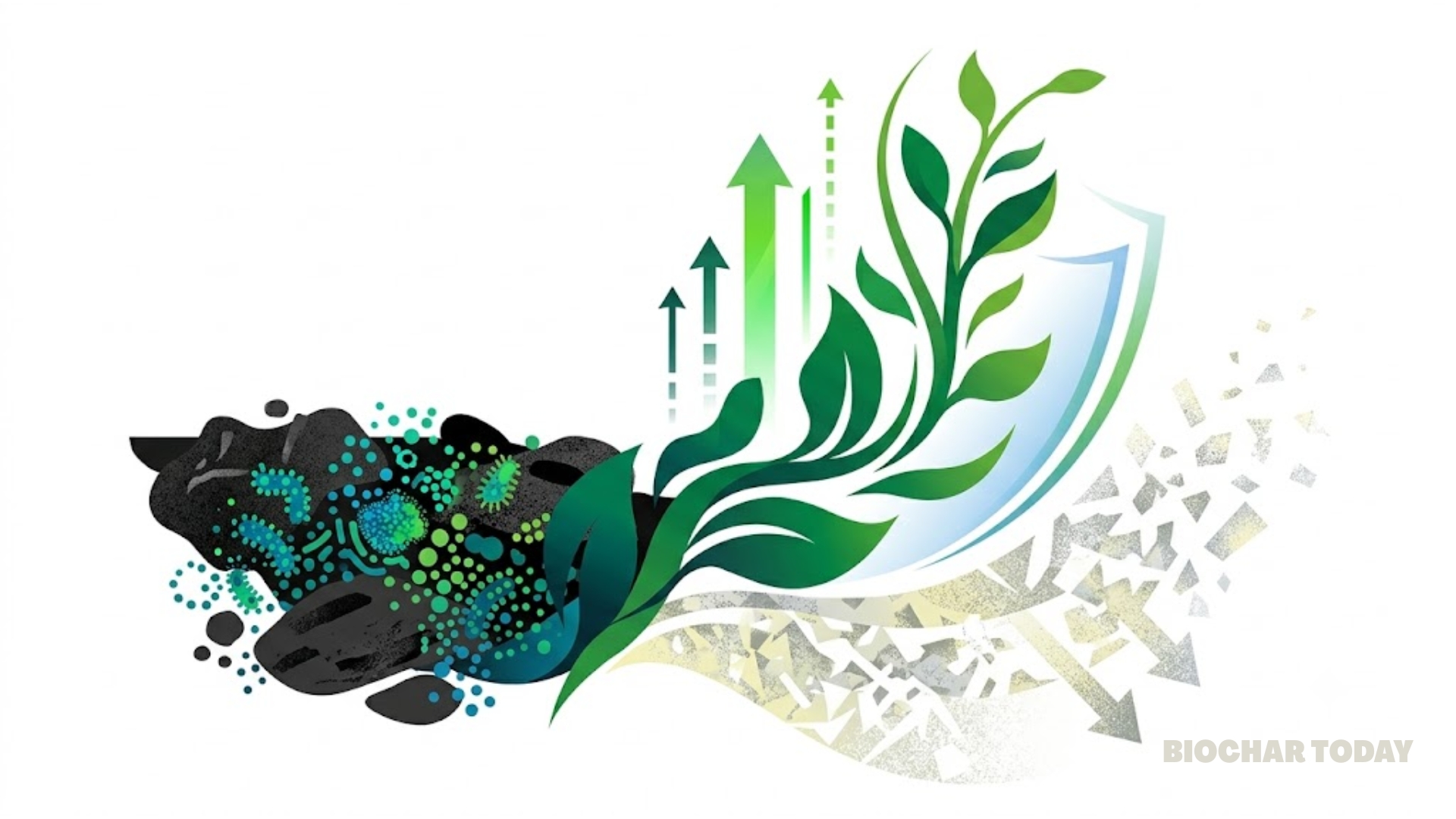
Soil Improvement. When used as a soil amendment, biochar enhances soil fertility, water retention, and microbial activity. This leads to healthier soils and more productive crops, reducing the need for chemical fertilizers and improving agricultural sustainability.
Reduced Methane Emissions.In applications such as orphaned oil well remediation, biochar effectively caps wells and prevents methane leaks, a potent greenhouse gas that contributes to global warming.
Economically, biochar production from hemp residues offers several advantages:
Generation of Carbon Removal Units (CRUs). Under the Hemp Carbon Standard, biochar projects can generate CRUs, which can be sold in carbon markets. This provides a financial incentive for producers and contributes to the broader goal of reducing atmospheric CO2 levels.
Enhanced Agricultural Productivity: The improvements in soil health and fertility translate to higher crop yields, providing economic benefits to farmers and reducing their dependency on costly chemical inputs.
Empowering First Nations Communities
The application of biochar on First Nations farms presents a unique opportunity for community empowerment. By integrating biochar into their agricultural practices, First Nations communities can achieve several benefits:
Cultural and Economic Empowerment. Engaging in biochar production and application allows these communities to participate in sustainable agricultural practices and carbon sequestration projects. This not only generates income through the sale of CRUs but also supports traditional ecological knowledge and practices.
Environmental Stewardship. The use of biochar helps restore soil health on traditional lands, aligning with the stewardship values held by many First Nations communities. It also supports sustainable land management practices that are crucial for maintaining the ecological balance of these areas.
Industrial hemp residues offer a sustainable and highly effective feedstock for biochar production, presenting numerous environmental and economic benefits. The application of biochar on First Nations farms further enhances its value by empowering communities and supporting traditional practices. As we seek innovative solutions to address climate change, the role of industrial hemp biochar cannot be overstated. By leveraging this promising approach, we can make significant strides in our collective efforts towards a sustainable future.

Tim de Rosen is the CEO of Hemp Carbon Standard Inc., an organization dedicated to promoting sustainable carbon sequestration through innovative uses of industrial hemp. With a deep commitment to environmental stewardship and community empowerment, Tim leads initiatives that aim to harness the full potential of hemp for climate action.



Leave a Reply