
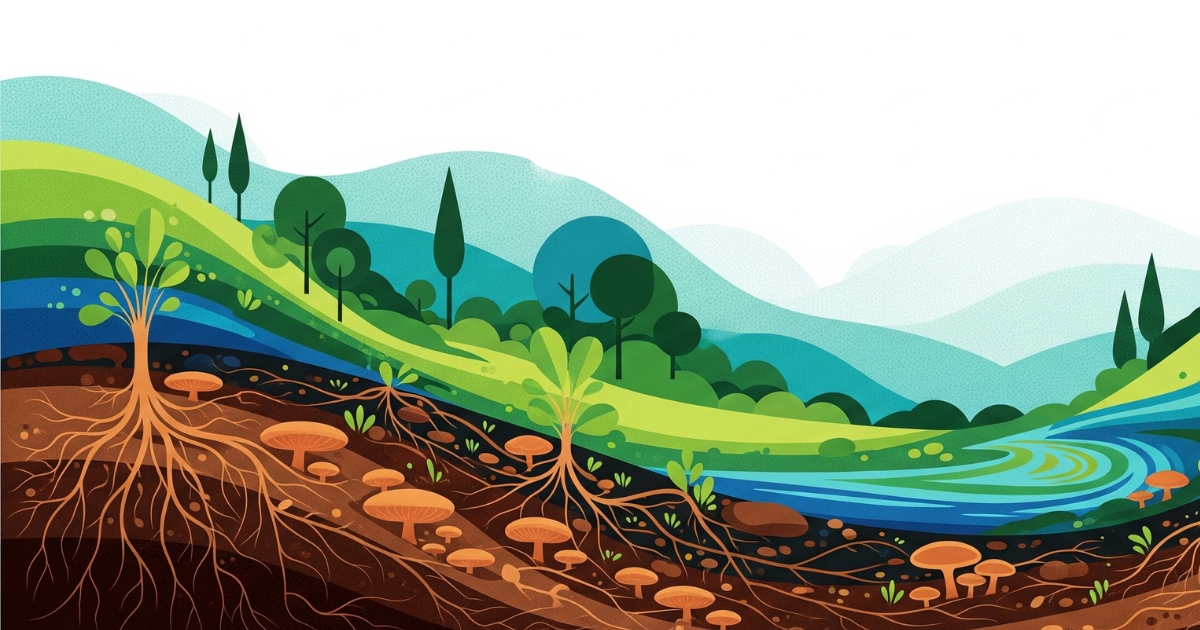
For the past 80 years, our reliance on synthetic fertilizers has drastically increased, leading to a severe decline in soil health across intense agricultural production areas. We’re seeing lower soil carbon and organic matter, effectively turning fertile land into mere dirt. This degradation has tangible consequences, with farmers initiating lawsuits against municipalities as their land loses its ability to be farmed. This issue is not isolated; it’s a nationwide problem, impacting the very foundation of our food production.
Compounding this challenge is the pervasive problem of biosolids management from wastewater treatment plants. These biosolids often contain persistent contaminants, notably PFAS, which pose significant environmental and health risks. Traditional disposal methods are increasingly costly and inadequate, as these facilities struggle to eliminate these harmful compounds.
This past summer, a significant step forward was demonstrated through a pyrolysisPyrolysis is a thermochemical process that converts waste biomass into bio-char, bio-oil, and pyro-gas. It offers significant advantages in waste valorization, turning low-value materials into economically valuable resources. Its versatility allows for tailored products based on operational conditions, presenting itself as a cost-effective and efficient More field trial that processed 150 tons of dried biosolids from the Chicago, IL region, alongside 20 tons of wood waste. This demonstration aimed to showcase the simplicity and effectiveness of using pyrolysis to remediate biosolids, remove PFAS, and transform this problematic material into a clean, dry, and useful product.
Pyrolysis: A Pathway to Clean Biosolids and Healthier Soils
The core of this solution lies in the pyrolysis process. The trial involved pre-drying biosolids off-site. Biosolids typically have a high water content (75-80%), and must first be dehydrated to a much lower moisture level of 5-10%. This critical drying step prepares the material for the pyrolysis phase and prevents issues like sludge buildup and excessive energy consumption.
Once dried, the biosolids entered the pyrolysis reactor, operating at 1100 degrees Fahrenheit (600 degrees Celsius). This temperature is specifically targeted to effectively separate volatile organic compounds, including resilient PFAS compounds, from the solid material. These separated compounds form what is known as synthesis, or pyro gas.
A crucial aspect of the process is the immediate transfer of this synthesis gas into an advanced multi-stage thermal oxidizer, where it’s subjected to extreme temperatures of 2,300 degrees Fahrenheit. This intense heat ensures the complete mineralization (breakdown) of all volatile organic compounds, including even the toughest long-chain PFAS compounds. Any resulting byproducts, like hydrogen fluoride, are then effectively captured by modern and common industrial air emission controls such as dry, wet and acid scrubbers, as well as bio and carbon filtration. The heat generated from this thermal oxidation is ingeniously recaptured and used to power the initial feedstockFeedstock refers to the raw organic material used to produce biochar. This can include a wide range of materials, such as wood chips, agricultural residues, and animal manure. More dryer, creating an energy-efficient, autothermal process once it’s up and running.
The Results: A Decontaminated, Carbon-Negative Product
The results of this field trial are highly encouraging. The process yielded a remarkably clean output: the biocharBiochar is a carbon-rich material created from biomass decomposition in low-oxygen conditions. It has important applications in environmental remediation, soil improvement, agriculture, carbon sequestration, energy storage, and sustainable materials, promoting efficiency and reducing waste in various contexts while addressing climate change challenges. More product itself was free of PFAS and all other volatile organic contaminants. This is a significant finding, as PFAS are among the toughest chemical compounds to manage due to the incredible strength of the carbon-fluorine bonds that form their core. The demonstration showed that other contaminants often found in municipal wastewater sludges, such as hormones, pharmaceuticals, and hydrocarbons, are effectively separated from the solids or destroyed during the pyrolysis phase.
While this trial used a gas flare to oxidize and mineralize potentially harmful compounds, Northeastern Biochar’s commercial scale facilities are designed with a sophisticated air emissions control system. For instance, a sulfuric acid scrubber effectively removes ammonia and hydrogen fluoride from the airstream, which also controls odors and nitrogen oxides. A beneficial byproduct of this ammonia removal is ammonium sulfate, a valuable fertilizer additive that can be incorporated back into the biochar.
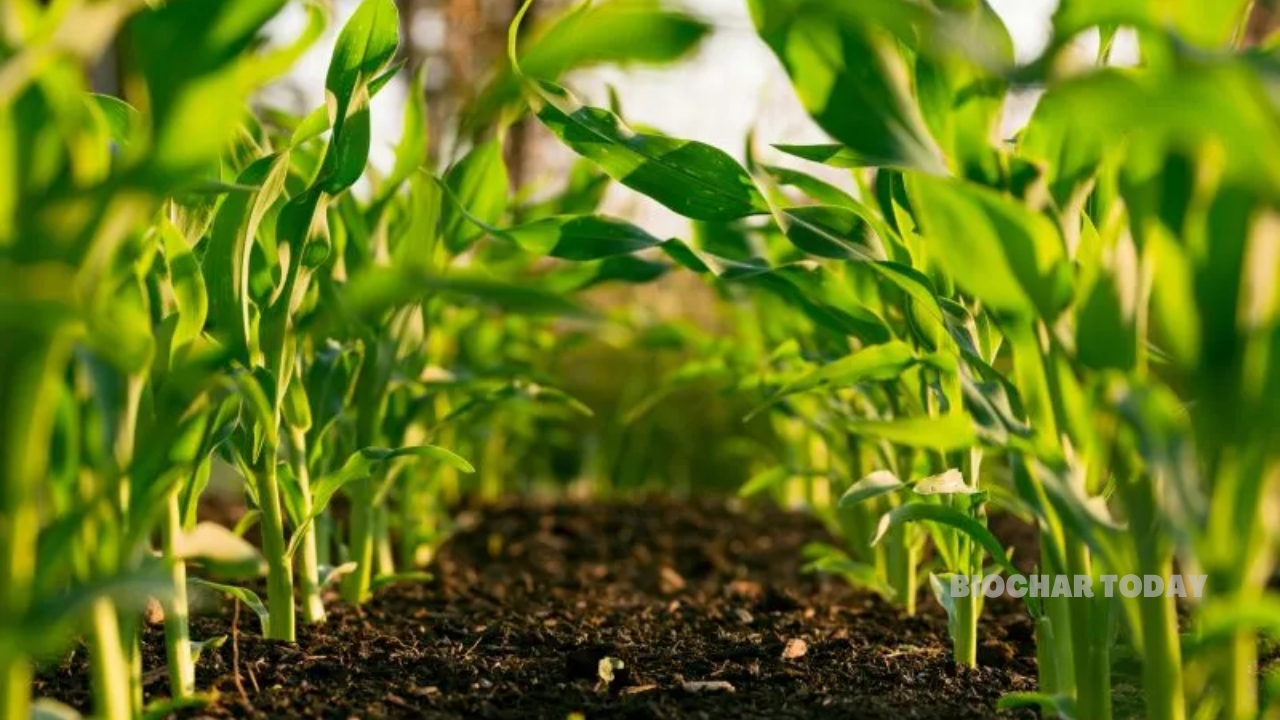
The resulting product, a “Carbon Fertilizer,” is a carbonized biochar that can be enhanced with ammonium sulfate. This material rapidly builds soil carbon and organic matter, effectively reversing the degradation caused by years of synthetic fertilizer use. It creates a truly living soil again. The biochar also possesses excellent properties for seeding crops, promoting early root establishment, and leading to higher yields with reduced nutrient inputs. In field trials, seedling hatch rates were over 99% for bean assays, and growth rates for root mass and above-ground foliage were 30% higher compared to synthetic fertilizer use.
Crucially, this process is carbon-negative. While existing facilities often release significant amounts of PFAS, carbon dioxide and even more potent greenhouse gas carbon dioxide equivalent emissions such as methane and nitrogen oxide into the atmosphere, this pyrolysis approach which converts organic waste to a permanent carbon sequestration beneficial use product results in a major reduction in greenhouse gas emissions.
Implications for the Future of Wastewater Treatment
This field demonstration highlights a powerful solution for municipalities grappling with biosolids disposal. Instead of expensive and environmentally burdensome methods like incineration or landfilling, which struggle with PFAS, pyrolysis technology offers a pathway to completely remediate biosolids and transform them into a safe, beneficial use product. The ability to remove PFAS and other contaminants, coupled with the production of a valuable carbon fertilizer, presents a compelling alternative for wastewater treatment professionals.
Pyrolysis with advanced thermal oxidation systems can be integrated at the back end of wastewater treatment plants, forming a distributed network of facilities producing this carbon fertilizer. This approach works in tandem to make both agriculture and waste management more sustainable. The success of this field demonstration offers a tangible and proven method for municipalities to address their biosolids challenges while simultaneously contributing to the vital effort of rebuilding our nation’s depleted agricultural soils.



Leave a Reply