

The use of biocharBiochar is a carbon-rich material created from biomass decomposition in low-oxygen conditions. It has important applications in environmental remediation, soil improvement, agriculture, carbon sequestration, energy storage, and sustainable materials, promoting efficiency and reducing waste in various contexts while addressing climate change challenges. More represents a critical intersection between waste management, soil health, and sustainable energy development in Canada. Don Harfield, CEO of Charterra, outlines a strategy that focuses on integrating biochar production into existing resource and community infrastructure, particularly across Western Canada. His perspective, informed by decades of experience in the oil and gas, pulp and paper, and research sectors, highlights several unique and compelling aspects of the biochar movement.
Integration: Bioenergy as a Tool for Remote Communities
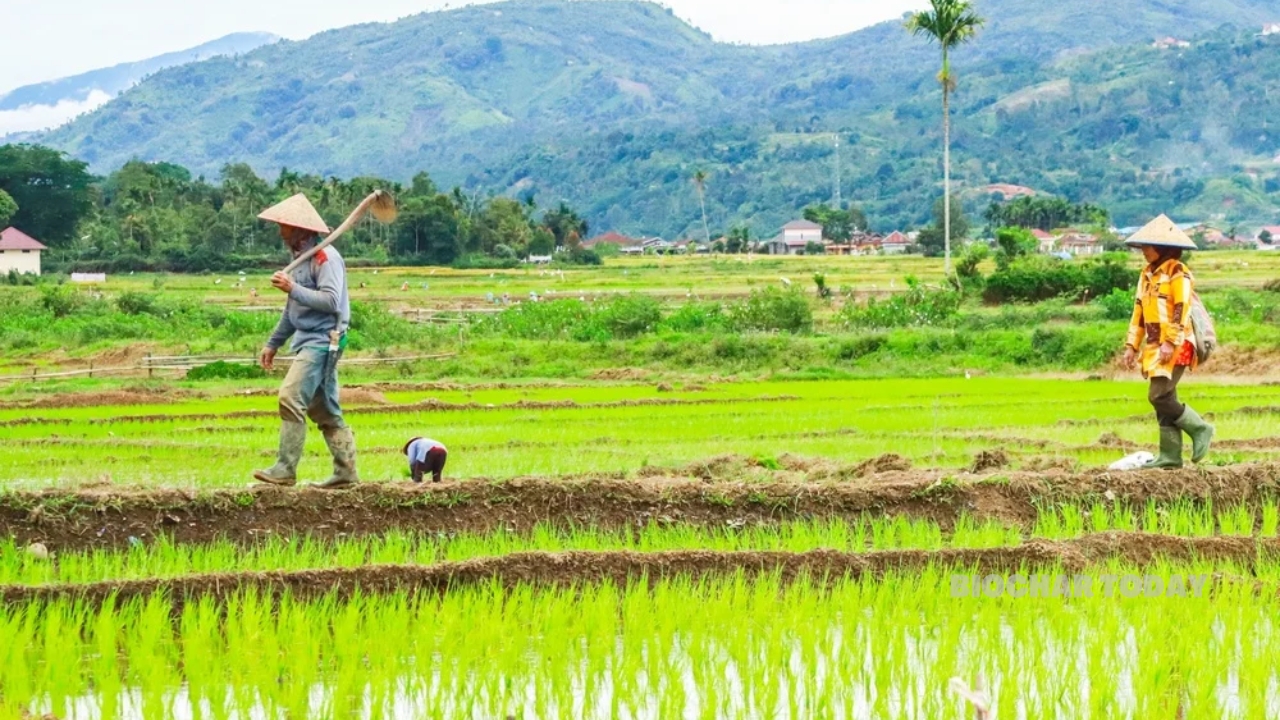
Harfield emphasizes that his primary approach to biochar is to help bring bioenergy to remote communities. And he views the process of converting wood residues from forests and municipalities into soil enhancement products as a cooperative process with nature. The heat generated from the pyrolysisPyrolysis is a thermochemical process that converts waste biomass into bio-char, bio-oil, and pyro-gas. It offers significant advantages in waste valorization, turning low-value materials into economically valuable resources. Its versatility allows for tailored products based on operational conditions, presenting itself as a cost-effective and efficient More process, which converts wood to biochar, can be used to produce electricity through a steam cycle or an organic rankine cycle. This bioenergy is considered carbon negative when the biochar is placed in the soil and the electricity is put onto the grid. This approach is particularly beneficial for Northern Communities, which often rely on propane and diesel for their electricity and heating needs. Charterra is currently working on a project in the Slave Lake area to help an Indigenous Community build the first bioenergy facility to produce biochar in Alberta, a model aims to sustain communities, offer local employment, and align with the cultural value of harmony with nature.
Regulatory and Educational Foundations
A significant, early focus of the biochar movement in Alberta was on establishing foundational support for the industry, a theme that continues today through educational initiatives. Harfield established the Alberta Biochar Initiative (ABI) as a partnership between Lakeland College and Alberta Innovates to investigate and promote biochar. For demonstration scale development, he oversaw the operation of two demonstration scale portable biochar production units: a retort auger and an updraft gasifier. The biochar produced was then used as a growing media in greenhouse trials across Alberta and British Columbia. Crucially, Harfield’s predecessor company, Airterra, was responsible for obtaining CFIA (Canadian Food Inspection Agency) approval for the adoption of biochar, something that’s required for the adoption of anything going into Canadian soils. Now, Charterra is contributing to the development of training courses for 11 universities across Canada, including the University of Alberta, to promote regenerative agriculture and the use of biochar in soils. Harfield explains that these training modules, developed over the next five years, are intended to equip students and train leaders in government and industry to make the world more sustainable.
Waste Conversion and Climate Resilience
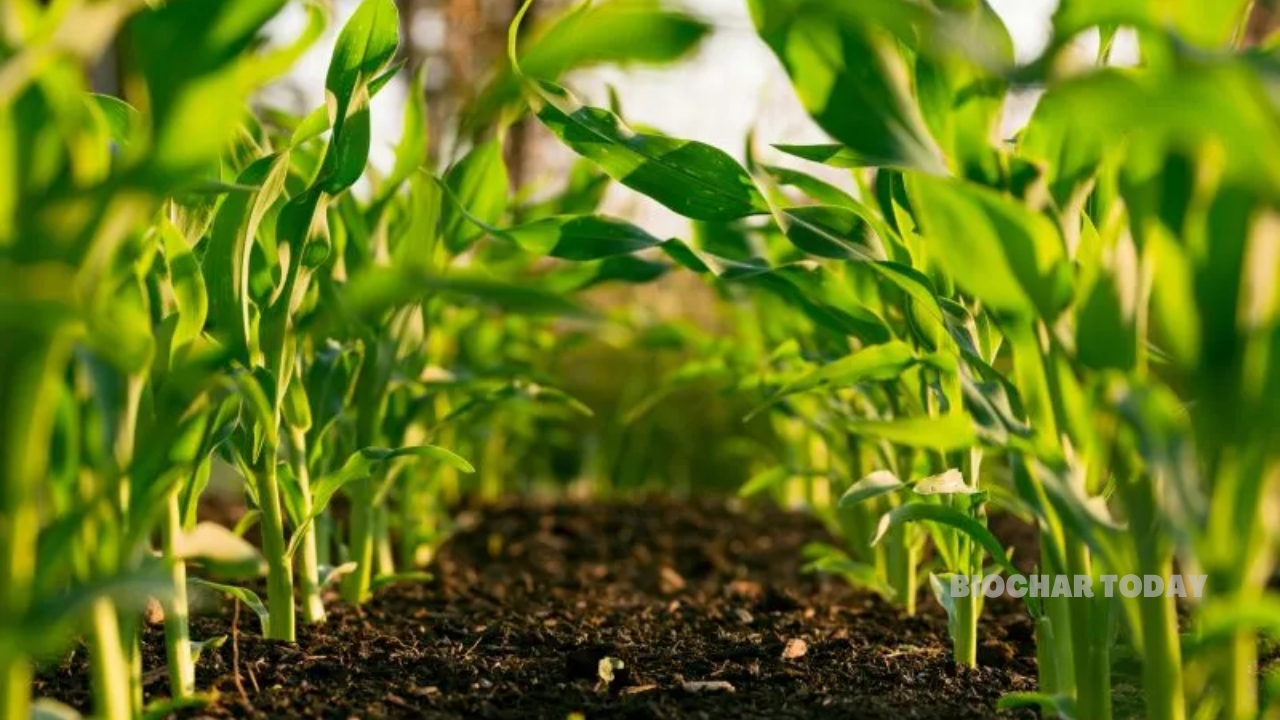
Biochar production is an effective response to climate-related resource challenges, specifically through its ability to manage waste and enhance ecosystem resilience. Harfield also highlights the potential for biochar production to manage the remnants of forest fires, noting that a company in Colorado is already converting forest beetle-killed and fire-damaged trees into biochar, a lesson that can be applied in Alberta. Beyond forestry, when added to municipal composting facilities, such as in Edmonton, biochar can reduce odors. When blended with manure and composts, it helps rebuild soils and makes them more drought resistant. The final product can be used for land reclamation and growing crops. The overall effect of taking forest residues and converting them into a product that sequesters carbon back into the ground demonstrates a full cycle where forestry, agriculture, and municipal communities can work together.
Biochar is a key component in a sophisticated, sustainable system that links forestry, energy production, waste management, and regenerative agriculture, providing significant environmental and economic benefits. As research, regulatory approval, and educational programs expand across Canada, biochar is poised to become an essential tool for communities seeking to reduce their reliance on fossil fuels, manage local resources, and address global warming by responsibly sequestering carbon for the benefit of future generations.


Leave a Reply