
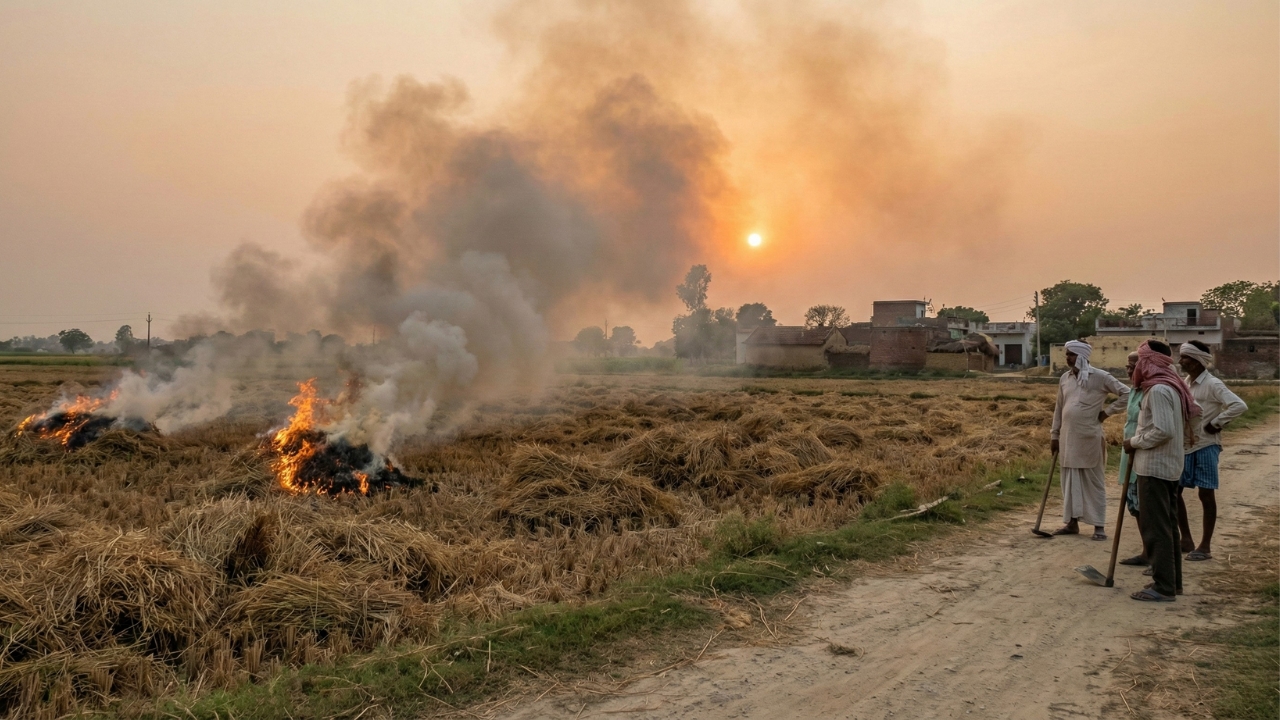
The agricultural landscape in northern India is undergoing a significant transformation as stakeholders pivot from treating crop residue as waste to valuing it as a resource. The annual practice of burning paddy straw, which has long contributed to severe air pollution, is being challenged by new market models and technological innovations. This shift is driven by a collaborative effort involving government bodies, research institutions, and the private sector to utilize agricultural byproducts for energy, industrial manufacturing, and soil amelioration.
The central challenge addressed is the logistical and economic pressure faced by farmers during the short interval between paddy harvest and wheat sowing. Historically, the lack of affordable alternatives forced farmers to burn residue to clear fields quickly, resulting in the loss of millions of tonnes of organic material and significant environmental degradation. With 500-600 million tonnes of crop residue generated annually, the inability to manage this biomassBiomass is a complex biological organic or non-organic solid product derived from living or recently living organism and available naturally. Various types of wastes such as animal manure, waste paper, sludge and many industrial wastes are also treated as biomass because like natural biomass these More sustainably has resulted in a recurring ecological crisis and a deficit in potential fodder and energy sources.
Solutions have emerged across several sectors to valorize this biomass. The Ministry of New & Renewable Energy advocates for the use of paddy straw in biomass power plants, capitalizing on its high calorific value. Simultaneously, Indian scientists introduced the Pusa Decomposer to accelerate composting. Of particular interest to the carbon removal sector is the conversion of straw into biocharBiochar is a carbon-rich material created from biomass decomposition in low-oxygen conditions. It has important applications in environmental remediation, soil improvement, agriculture, carbon sequestration, energy storage, and sustainable materials, promoting efficiency and reducing waste in various contexts while addressing climate change challenges. More through controlled pyrolysisPyrolysis is a thermochemical process that converts waste biomass into bio-char, bio-oil, and pyro-gas. It offers significant advantages in waste valorization, turning low-value materials into economically valuable resources. Its versatility allows for tailored products based on operational conditions, presenting itself as a cost-effective and efficient More. This method captures carbon that would otherwise be released during open burning. Additionally, researchers at IIT are developing straw-based composites for construction, while startups are utilizing the fiber for biodegradable packaging.
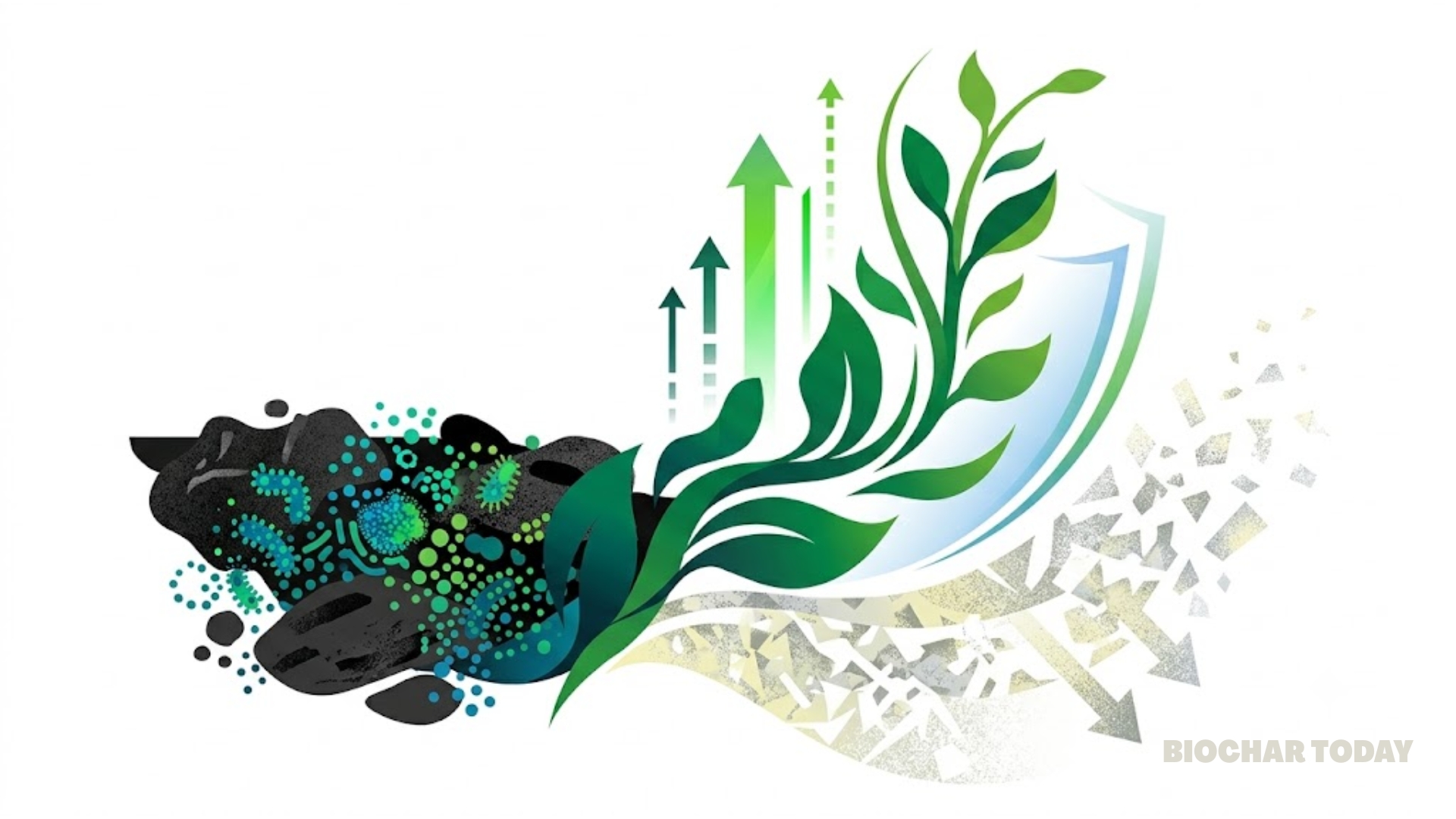
The outcomes of these diversified applications are promising. Biochar production is proving effective for long-term carbon storage and improving soil health, specifically by increasing water-holding capacity and nutrient efficiency in sandy soils. The integration of treated straw into cattle feed is addressing regional fodder deficits, supporting the dairy industry. Furthermore, the biomass power sector has identified a potential capacity of 28,000 megawatts, significantly diversifying the region’s energy mix.
For the biochar industry, the situation in India demonstrates that successful biomass valorization demands a comprehensive ecosystem. The most effective strategies integrate biochar production with broader agricultural needs—such as fodder and energy—supported by robust procurement networks and financial mechanisms. This holistic approach ensures that converting waste to value becomes a financially viable reality for the primary producers.



Leave a Reply