
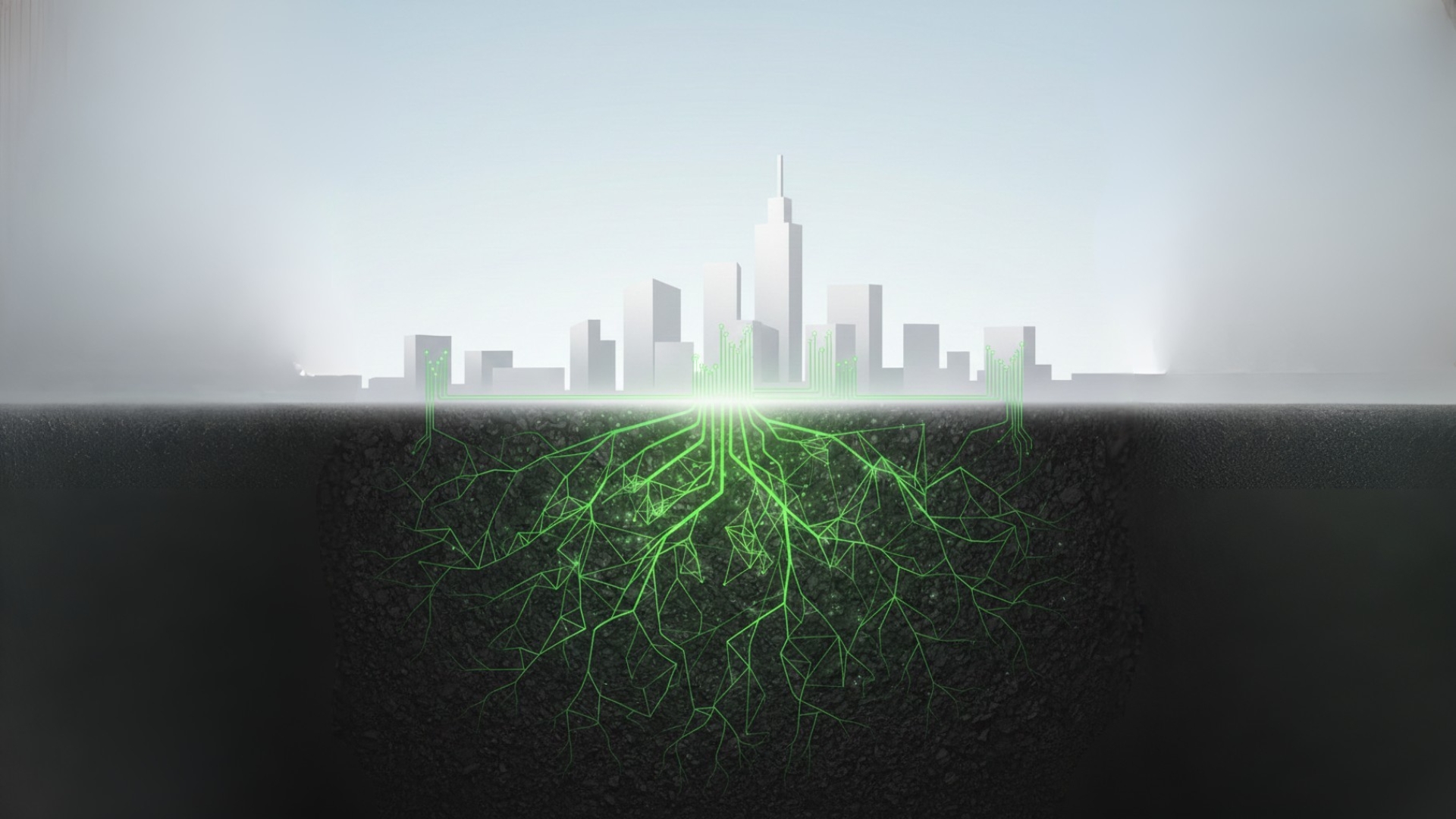
Soil — the earthy rug that gently wraps almost the entire surface of our planet — never fails to embrace even the highest mountain cliffs or the hidden depths beneath ancient glaciers and frozen ground. Like a pacemaker, it pulses with life, regulating countless processes that shape the land’s functioning: from the microscopic myriad of organisms thriving within it to the shifting patterns of vegetation in natural ecosystems to the swift rush of floodwaters winding through rivulets.
The contours of the soil around us quietly shape countless aspects of our lives, influencing far more than we often realize. More than 95% of the food we consume is directly or indirectly supported by soil, making it critical for global nutrition and public health. Beyond its role in food security, soil performs vital ecological services that sustain our entire atmosphere and hydrological cycle. Soil acts as a natural, highly effective filter, purifying groundwater and managing water cycles. Healthy soil is a significant carbon sink, storing atmospheric carbon and helping to mitigate climate change. Beyond everything, it is home to a quarter of the planet’s biodiversity, supporting microbial communities that drive nutrient cycling and plant health. The ancient agricultural wisdom, which recognized the living nature of the earth, is now validated by modern science: soil quality directly determines the health of the entire ecosystem, from plant life to human nutrition.
Soil is thus the unheralded cornerstone of planetary health, a complex and finite resource that is essential for life on Earth but this resource is currently under extreme pressures as the world is urbanizing at an unprecedented pace. Coupled with the accelerating impacts of climate change and increased pollution the situation demands innovative solutions. Amid these challenges, biocharis emerging as a powerful tool for sustainable urban transformation as an ancient yet newly revitalized material.
As the world observes World Soil Day under the theme “Healthy Soils for Healthy Cities,” we are reminded that the soil beneath our urban infrastructure is not inert matter but a living foundation of resilience. BiocharBiochar is a carbon-rich material created from biomass decomposition in low-oxygen conditions. It has important applications in environmental remediation, soil improvement, agriculture, carbon sequestration, energy storage, and sustainable materials, promoting efficiency and reducing waste in various contexts while addressing climate change challenges. More offers a proven pathway to regenerate degraded city soils, shifting them from overlooked substrates to vibrant, functional ecosystems essential for the cities of the future.
Why The City Soil Crisis Matters More Than Ever
According to the FAO Status of the World’s Soil Resources (2025) report, nearly 33% of global soils are now moderately to highly degraded, largely due to erosion, nutrient depletion, and chemical contamination. This degradation affects an estimated 1.7 billion people, reducing crop yields by 10% or more in many regions, with over 60% of human-induced damage occurring on agricultural land. Major drivers of this crisis include the decline of soil organic carbon, salinization resulting from unsustainable irrigation practices, and widespread chemical pollution. While Asia shows the greatest absolute impact, regions such as Latin America, the Caribbean, and Africa are experiencing the fastest rates of degradation.
Urban soils—often referred to as anthropogenic soils—are those profoundly shaped by human activities and urban environmental pressures. They are formed through processes such as mixing, filling, excavation, and surface sealing, and are further influenced by surrounding infrastructure, including roads, buildings, and drainage systems. Despite these disturbances, urban soils remain critical, as they must continue to provide essential ecosystem services in dense environments—including supporting vegetation, regulating water, and storing carbon—while also bearing the imprint of historical land use
Yet modern cities place extraordinary stress on soil. Each year, more than one million hectares of land are sealed by urban expansion, stripping soils of their ecological function. Urban soils are also vital climate-resilience assets; for example, the FAO reports that even a 1% increase in soil organic carbon in parks and green spaces can dramatically enhance water infiltration and reduce flood risk. Compounding the issue, rapid urbanization and post-industrial pollution have created a distinctive urban soil crisis. Construction activities compact soil, damage its structure, and seal surfaces, resulting in poor aeration and increased surface runoff. Many urban and peri-urban areas also carry the toxic legacy of past industries, with soils contaminated by heavy metals—such as arsenic, cadmium, lead, and zinc—as well as persistent organic pollutants.
The consequences extend far beyond city boundaries. Globally, two billion people suffer from micronutrient deficiency, also known as “hidden hunger,” a condition closely tied to soils that are depleted of essential nutrients. When soils cannot supply these micronutrientsThese are essential nutrients that plants need in small amounts, kind of like vitamins for humans. They include things like iron, zinc, and copper. Biochar can help hold onto these micronutrients in the soil, making them more available to plants. More, food systems cannot deliver them either. Despite some progress—such as the introduction of permeable pavements and green infrastructure—urban planning still frequently overlooks the soil as a core element of city health and resilience. While global efforts to improve soil health are underway, experts agree that the current pace of action is insufficient. Accelerated government intervention, stronger regulations, and increased investment in soil restoration are urgently needed.
Biochar As The Ancient Solution for Modern City Soils
Biochar has been used for at least 5,000 years, with its most famous application found in the Amazon’s Terra PretaTerra preta, meaning “black earth” in Portuguese, is a type of highly fertile soil found in the Amazon Basin. It is characterized by its high biochar content, which contributes to its long-term fertility and ability to support productive agriculture More soils. These highly fertile black soils, enriched with charcoalCharcoal is a black, brittle, and porous material produced by heating wood or other organic substances in a low-oxygen environment. It is primarily used as a fuel source for cooking and heating. More by ancient civilizations, contain elevated organic carbon and strong nutrient-holding capacity, allowing sustained crop production with minimal fertilization. Modern research reinforces these historical observations, showing that biochar improves soil fertility, enhances water retention, increases nutrient uptake, and helps mitigate greenhouse gas emissions. Its benefits extend to boosting crop yields and reducing plant stress caused by drought, salinity, and heavy metal contamination. Biochar’s versatility aligns strongly with global sustainability goals, positioning it as a valuable tool for addressing climate change, soil degradation, and pollution. Today, its relevance is being rediscovered not only in agriculture but also in advancing urban sustainability.
Biochar’s Role in Urban Soil Conservation
Biochar’s unique properties like high porosityPorosity of biochar is a key factor in its effectiveness as a soil amendment and its ability to retain water and nutrients. Biochar’s porosity is influenced by feedstock type and pyrolysis temperature, and it plays a crucial role in microbial activity and overall soil health. Biochar More, massive surface area, and chemical stability, make it an ideal tool for urban soil conservation and greening:
1. Hydrological Improvement and Urban Resilience
Biochar’s porous structure acts like a natural sponge, increasing soil water-holding capacity and reducing irrigation needs. It also enhances soil permeability, enabling faster infiltration during heavy rainfall. These properties support flood-mitigation strategies such as “Sponge City” designs.
2. Pollutant Remediation
Biochar is an effective adsorbent that binds heavy metals, persistent organic pollutants, and other contaminants. This prevents their movement into water systems and reduces their uptake by plants, improving overall urban soil and water quality.
3. Improved Soil Structure and Fertility
By reducing bulk density and increasing aeration, biochar helps alleviate compaction in urban soils—critical for street trees and vegetation in construction-disturbed areas. Its high Cation Exchange Capacity (CEC) allows soils to retain essential nutrients like potassium and phosphorus and release them gradually to plant roots.
4. Long-Term Carbon Sequestration
Biochar is a highly stable form of carbon, capable of persisting in soil for hundreds to thousands of years. Applying one ton of biochar can prevent roughly 2.9 tons of CO₂ emissions, making it a powerful climate-mitigation tool for cities.
5. Enhanced Urban Soil Health
Biochar improves water retention, nutrient availability, and microbial activity in degraded or compacted soils. Its porous structure supports beneficial soil microbes and improves root growth, promoting healthier urban vegetation.
6. Revitalization of Green Spaces and Rooftops
Biochar strengthens the establishment and growth of city trees, as demonstrated in cities like Stockholm. In rooftop gardens, it moderates soil temperature, enhances porosity, and increases microbial and plant biomass—stabilizing and enhancing green roof ecosystems.
7. Improved Stormwater Treatment
Integrating biochar into Low Impact Development (LID) and SuDS systems enhances pollutant filtration and water quality. It increases soil infiltration, captures contaminants, and supports water reuse in water-scarce urban regions.
8. Waste Management and Circular Economy
Urban green waste (like pruning residues) can be converted into biochar, reducing landfill disposal and greenhouse gas emissions. This process creates a regenerative, circular system in which organic waste becomes a valuable resource that strengthens urban soils and ecosystems.

Global Evidence: Biochar in Action
The widespread adoption of biochar represents a pivotal shift in sustainable urban development, transforming a material once considered a novelty into a core component of modern city planning and environmental remediation. There are several successful case studies where biochar has been strategically deployed to solve pressing environmental and infrastructural challenges across local and global scales. These projects demonstrate that biochar is more than just a soil amendmentA soil amendment is any material added to the soil to enhance its physical or chemical properties, improving its suitability for plant growth. Biochar is considered a soil amendment as it can improve soil structure, water retention, nutrient availability, and microbial activity. More; it is a multi-functional solution integral to building circular economies and resilient urban landscapes. Its applications span from improving the health and longevity of street trees and enhancing stormwater management in rain gardens, to supporting sustainable food systems by remediating contaminated urban soils and converting major waste streams, such as municipal organic waste and sewage sludge, into valuable resources.
Collectively, these examples showcase biochar’s proven ability to 1)Enhance Urban Ecology by improving soil structure and moisture retention in hostile urban environments 2) Support the Circular Economy by valorizing waste streams and providing a sustainable alternative to non-renewable resources and 3) Boost Resilience by enabling “Sponge City” functions and ensuring the safety of locally grown food on fertile soils.
Urban Green Infrastructure and Soil Enhancement
Biochar is rapidly becoming an essential component in creating resilient and enduring urban green spaces by addressing core limitations of city soils.
- Tree Health and Structural Soils: Biochar is incorporated into structural soils beneath hardscapes to enhance soil quality, resulting in improved health and longevity for urban trees. Case studies in Stockholm (Herrhagsvägen, Luntmakargatan) and Malmö (Agnesfridsvägen, Varvsparken) show that this application strengthens ecosystem stability by improving water and nutrient retention in compacted environments.
- Stormwater Management and “Sponge City” Concepts: Used in the media of rain gardens and other blue-green infrastructure (like in Vellinge and Uppsala’s Rosendal district), biochar acts as a filter and sponge in the soil. Its porous structure drastically improves stormwater infiltration, water retention, and pollutant filtration, mitigating the risk of urban flooding. The Lund Nobelparken project specifically utilized a biochar-compost mix to enable “Sponge City” concepts, enhancing the park’s overall resilience to heavy rainfall.
- Specialized Planting Systems: Biochar-amended soils support robust perennial growth and boost the performance of specialized systems like green walls and roofs (e.g., Malmö Green Roofs and Alnarp Green Walls). It supports vitality in limited soil volumes by improving structure, regulating temperature, and boosting moisture retention.
- Recreational Greens and Horticulture: The material is mixed into the soil of football pitches (in Lund and Gärsnäs) and urban meadows (in Augustenborg, Malmö) to improve their resilience, quality, and biodiversity. Additionally, it serves as a sustainable, non-renewable alternative to peat in horticulture, successfully supporting crop growth and reducing reliance on traditional materials.
Global Circular Economy and Remediation Projects
Beyond physical soil improvement, biochar projects are fundamentally changing how cities manage waste and pollution, driving a genuine Circular Bioeconomy.
- Waste Valorization and Circular Economy: Cities, particularly the Nordic Circular Economy Pioneers like Stockholm and Helsinki, are global leaders in converting municipal organic waste (park clippings, wood residues) into high-quality biochar. The Stockholm Biochar Project is a prime example, integrating the resulting biochar into planting beds for 2,000 city trees, thus transforming a waste stream into both a climate solution (by sequestering carbon) and a soil solution.
- Sludge Valorization: A significant innovation is demonstrated by the Helsinki pilot plant for Sludge Char in Finland. This project successfully converts costly sewage sludge—a major urban waste stream—into biochar, which can then be used in soil amendments or construction materials, closing the loop on a previously problematic urban waste product.
- Contaminant Remediation: Biochar is also strategically deployed for Contaminant Remediation in Urban Allotments in Denmark. Research focuses on using it in circumneutral urban allotment soils to directly address the challenge of safe urban food production by reducing the mobility and bioavailability of soil contaminants.

Future Moves: Precision Biochar and Site-Specific Application
The future of urban biochar application will shift toward precision and engineering due to the highly heterogeneous nature of urban soils, which have varying contamination levels, nutrient profiles, and pHpH is a measure of how acidic or alkaline a substance is. A pH of 7 is neutral, while lower pH values indicate acidity and higher values indicate alkalinity. Biochars are normally alkaline and can influence soil pH, often increasing it, which can be beneficial More values. A one-size-fits-all biochar approach is insufficient to address this complexity. This sophisticated strategy rests on three key pillars:
First, Customized FeedstockFeedstock refers to the raw organic material used to produce biochar. This can include a wide range of materials, such as wood chips, agricultural residues, and animal manure. More and PyrolysisPyrolysis is a thermochemical process that converts waste biomass into bio-char, bio-oil, and pyro-gas. It offers significant advantages in waste valorization, turning low-value materials into economically valuable resources. Its versatility allows for tailored products based on operational conditions, presenting itself as a cost-effective and efficient More involves adjusting the biomassBiomass is a complex biological organic or non-organic solid product derived from living or recently living organism and available naturally. Various types of wastes such as animal manure, waste paper, sludge and many industrial wastes are also treated as biomass because like natural biomass these More source (e.g., wood versus sewage sludge) and precisely controlling the heating temperature. This optimization process tailors the final biochar product, modifying critical properties like its surface functional groups or its Cation Exchange Capacity (CEC).
Second, Targeted Engineering focuses on developing designer or engineered biochars. These products are specifically modified to excel at a single, high-priority function: either contaminant adsorption (targeting a specific heavy metal like Cadmium) or nutrient delivery (providing slow-release nitrogen or phosphorus), based on unique, site-specific soil analysis.
Finally, Data-Driven Dosage uses advanced high-resolution urban soil mapping to guide the process. This data enables planners to prescribe the exact biochar type and dosage required for every specific location—whether it’s a park, a planting pit, or a community garden bed—thereby maximizing the environmental benefit while simultaneously minimizing cost and resource use.
Biochar As A Foundational Strategy for “Healthy Soils for Healthy Cities”
On this World Soil Day, under the theme “Healthy Soils for Healthy Cities,” I would like to propose that the future health and resilience of our cities hinge upon moving past generalized soil amendments to embrace a strategic, data-driven application of biochar. This approach is not merely a remediation project, but a powerful opportunity to realize an economic and environmental imperative—a mechanism to close the loop on urban waste while simultaneously fortifying our green infrastructure against the severe impacts of climate change and historical pollution. The adoption of a Circular Biochar Protocol adaptable to any city, beginning with leveraging local waste streams to create engineered biochar with tailored properties. This material would then be prescribed with precision based on high-resolution soil mapping: alkaline biochar to safely sequester heavy metals in community gardens, porous biochar to boost water retention in green roofs and street tree pits, and specific blends for major stormwater projects that emulate crucial “Sponge City” functionality.
Crucially, this system must be designed for financial self-sustainability, allowing cities to monetize the environmental benefit by standardizing monitoring of contaminant reduction and carbon sequestration to access carbon credit markets. By embracing this scalable and self-sustaining protocol, biochar will cease to be a cost and become a revenue-generating, policy-embedded urban tool, permanently linking efficient waste management to the creation of safe, healthy, and climate-resilient city soils for generations to come.
Let us seize this opportunity to recognize the soil beneath our cities as the living foundation of our future health, turning waste into wealth and degradation into resilience.
References
Afshar, M., & Mofatteh, S. (2024). Biochar for a sustainable future: Environmentally friendly production and diverse applications. Results in Engineering, 23(April), 102433. https://doi.org/10.1016/j.rineng.2024.102433
Azzi, E. S., Karltun, E., & Sundberg, C. (2022). Life cycle assessment of urban uses of biochar and case study in Uppsala, Sweden. Biochar, 4(1), 1–17. https://doi.org/10.1007/s42773-022-00144-3
Chen, H., Du, X., Lai, M., Nazhafati, M., Li, C., & Qi, W. (2021). Biochar Improves Sustainability of Green Roofs via Regulate of Soil Microbial Communities. Agriculture (Switzerland), 11(7).
Das, S., Choudhury, M. R., Chatterjee, B., Das, P., Bagri, S., Paul, D., Bera, M., & Dutta, S. (2024). Unraveling the urban climate crisis: Exploring the nexus of urbanization, climate change, and their impacts on the environment and human well-being – A global perspective. AIMS Public Health, 11(3), 962–1000. https://doi.org/10.3934/publichealth.2024050
Gustafsson, M., Malmberg, J., Paulsson, M., Eriksson, J., Fridell, K., Hagström, J., Pettersson, L., & Syrén, B. (2020). THE BIOCHAR HANDBOOK-for users. http://www.biokol.org
Kabir, E., Kim, K. H., & Kwon, E. E. (2023). Biochar as a tool for the improvement of soil and environment. Frontiers in Environmental Science, 11(December), 1–17. https://doi.org/10.3389/fenvs.2023.1324533
Keivani, R. (2010). A review of the main challenges to urban sustainability. International Journal of Urban Sustainable Development, 1(1–2), 5–16. https://doi.org/10.1080/19463131003704213
Li, X., Stringer, L. C., & Dallimer, M. (2022). The Impacts of Urbanisation and Climate Change on the Urban Thermal Environment in Africa. Climate, 10(11), 1–21. https://doi.org/10.3390/cli10110164
Liao, W., Halim, M. A., Kayes, I., Drake, J. A. P., & Thomas, S. C. (2023). Biochar Benefits Green Infrastructure: Global Meta-Analysis and Synthesis. In Environmental Science and Technology (Vol. 57, Issue 41, pp. 15475–15486). https://doi.org/10.1021/acs.est.3c04185
Liukas, C. (2020). How to use biochar for structured soil plant beds in urban areas _ by Charlotta Liukas _ carboculture _ Medium.
Mohanty, S. K., Valenca, R., Berger, A. W., Yu, I. K. M., Xiong, X., Saunders, T. M., & Tsang, D. C. W. (2018). Plenty of room for carbon on the ground: Potential applications of biochar for stormwater treatment. Science of the Total Environment, 625, 1644–1658. https://doi.org/10.1016/j.scitotenv.2018.01.037
Nick Dühr. (2022). Biochar for Urban Trees _ biochar zero.
Paudel, S., & States, S. L. (2023). Urban Forestry & Urban Greening Urban green spaces and sustainability : Exploring the ecosystem services and disservices of grassy lawns versus floral meadows. Urban Forestry & Urban Greening, 84, 127932. https://doi.org/10.1016/j.ufug.2023.127932
Sachini Supunsala Senadheera, Piumi Amasha Withana, Juin Yau Lim, Siming You,d Scott X. Chang, Fang Wang, J. H. R. and Y. S. O. (2024). Carbon negative biochar systems contribute to sustainable urban green infrastructure: a critical review. Green Chemistry, 26.
Salo, E., Weber, K., Hagner, M., & Näyhä, A. (2024). Nordic perspectives on the emerging biochar business. Journal of Cleaner Production, 475(July). https://doi.org/10.1016/j.jclepro.2024.143660
Varma, S., Shivamogga, H. S., & Nagaraja, M. S. (2024). Urban Soils : Characteristics , Functions and Management. In Modern Approaches in Soil Science (Issue April).
Voruganti, C. (2023). Biochar Applications in Soil Restoration : Enhancing Soil Health and Carbon Sequestration. 04.
Wang, J., Manning, D. A. C., Stirling, R., Lopez-Capel, E., & Werner, D. (2023). Biochar benefits carbon off-setting in blue-green infrastructure soils – A lysimeter study. Journal of Environmental Management, 325(PB), 116639. https://doi.org/10.1016/j.jenvman.2022.116639



Leave a Reply