
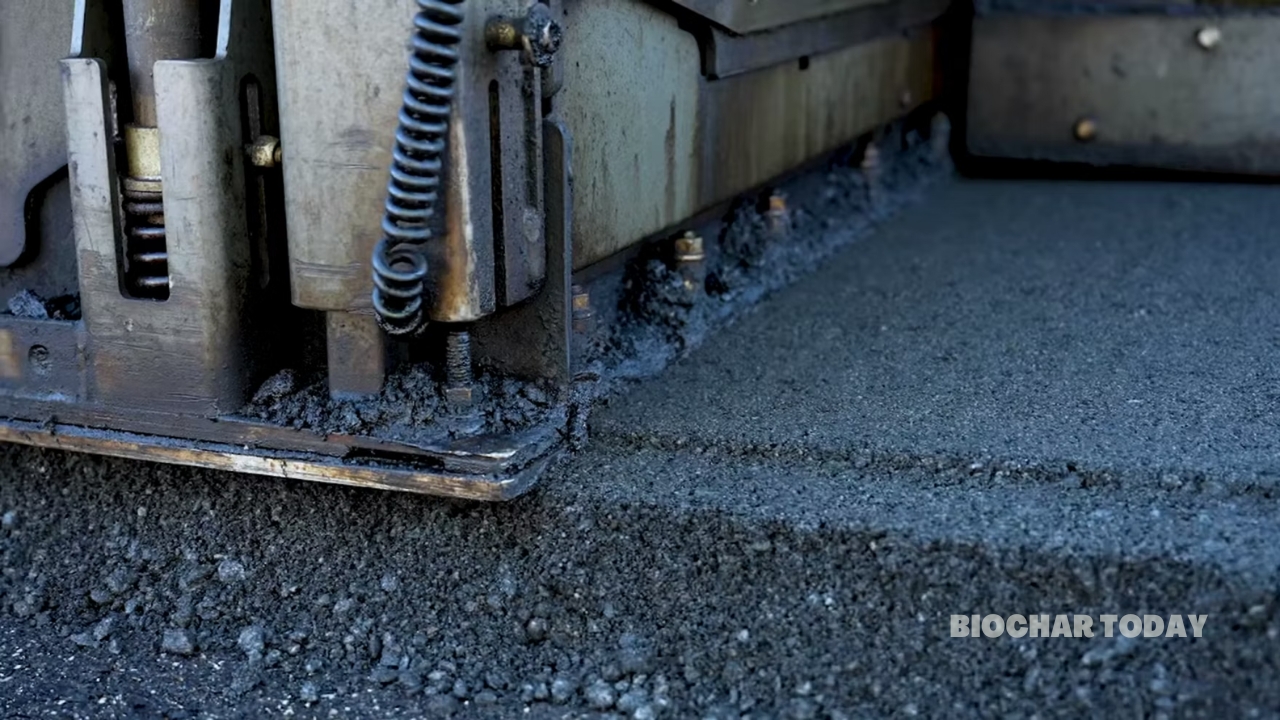
Verde Resources, a former mining entity transitioned toward sustainable materials, has partnered with Oregon BiocharBiochar is a carbon-rich material created from biomass decomposition in low-oxygen conditions. It has important applications in environmental remediation, soil improvement, agriculture, carbon sequestration, energy storage, and sustainable materials, promoting efficiency and reducing waste in various contexts while addressing climate change challenges. More Solutions to integrate biochar into asphalt production. This initiative, centered in the United States, focuses on a cold-recycled bio-asphalt surface mix composed of 100 percent Recycled Asphalt Pavement (RAP), biochar derived from wood waste, and a proprietary emulsifier. The project seeks to move beyond traditional base-layer carbon burial by utilizing biochar in surface-level pavement applications. By validating the permanence of sequestered carbon through established registries, the collaboration aims to monetize carbon removal credits while improving the technical properties of road surfaces.
The primary challenge addressed by this initiative is the historical uncertainty regarding the durability and permanence of carbon sequestered in infrastructure. While various waste streams have been integrated into road building, critics have often questioned whether the carbon remains stable over the long term, particularly during the milling and recycling phases of a road’s lifecycle. Additionally, the asphalt industry faces pressure to reduce emissions associated with high-heat production and to find viable markets for non-marketable wood waste. Ensuring that sustainable additives do not compromise—and ideally improve—the structural integrity of the pavement remains a critical hurdle for widespread adoption.
To resolve these issues, Verde Resources developed a mix design that utilizes biochar as a performance-enhancing additive rather than a mere filler. The biochar acts as a desiccant, managing moisture within the pavement’s voids to mitigate freeze-thaw damage. The cold-mix process eliminates the need for burners or solvents, allowing for year-round construction at lower ambient temperatures (35-40 degrees Fahrenheit) and improving safety for frontline workers by removing odors and extreme heat. To address sequestration concerns, the company utilized the Pure Earth methodology to certify that the biochar remains stable for at least 200 years, provided it is not incinerated during future recycling processes.
The implementation of this biochar-asphalt mix has resulted in both environmental and economic gains. In a proof-of-concept deployment, five tons of biochar generated eight tons of verified carbon removal credits, which were subsequently sold on the voluntary carbon market. Operationally, the mix demonstrated high durability and extended paving windows, offering producers greater flexibility. Verde Resources is currently advancing its Environmental Product Declarations (EPDs) for the entire mix design to further standardize these results. These outcomes suggest that biochar can successfully transition from agricultural applications to the construction sector as a functional, carbon-negative component of modern infrastructure.





Leave a Reply