

The growing urgency to mitigate climate change has given rise to innovative carbon dioxide removal (CDR) technologies, especially those that intersect with biomassBiomass is a complex biological organic or non-organic solid product derived from living or recently living organism and available naturally. Various types of wastes such as animal manure, waste paper, sludge and many industrial wastes are also treated as biomass because like natural biomass these More and carbon markets. Among these, Bioenergy with Carbon Capture and Storage (BECCS) and biocharBiochar is a carbon-rich material created from biomass decomposition in low-oxygen conditions. It has important applications in environmental remediation, soil improvement, agriculture, carbon sequestration, energy storage, and sustainable materials, promoting efficiency and reducing waste in various contexts while addressing climate change challenges. More production stand out for their scalability and potential impact. This article delves into the mechanisms, significance, and market dynamics surrounding these technologies.
Understanding the Biomass-Carbon Nexus
The foundation of the biomass-carbon connection lies in the biogenic carbon cycle. Biomass absorbs carbon dioxide (CO2) during its growth and releases it back into the atmosphere through decomposition, combustion, or digestion. Disrupting this cycle by storing the absorbed carbon in a permanent form enables carbon removal. Technologies like BECCS and biochar exemplify how this concept is being operationalized.
- BECCS involves burning biomass to generate energy, capturing the resultant CO2 emissions, and storing them permanently. This process provides a carbon-negative solution by locking away the CO2 absorbed during biomass growth. BECCS also reduces reliance on fossil fuels and generates carbon credits for the volume of CO2 stored.
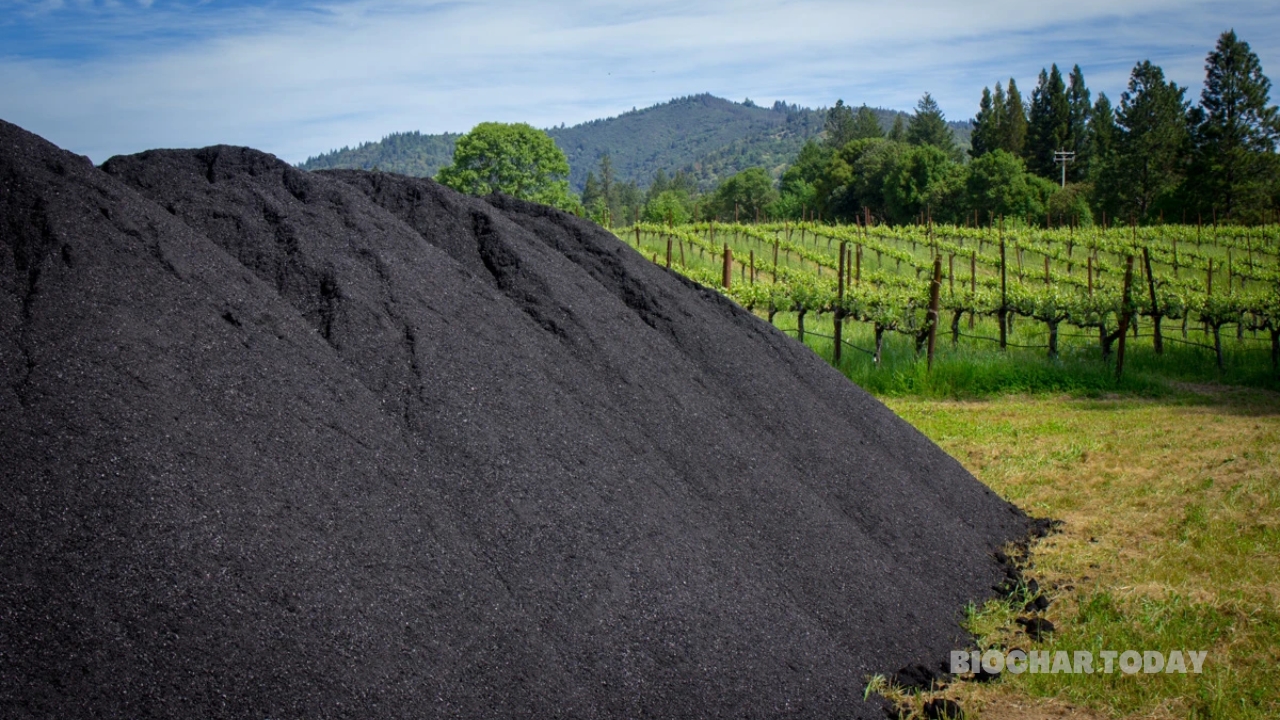
- Biochar is produced by pyrolyzing organic material at high temperatures in an oxygen-deprived environment. This carbon-rich solid can be used as a soil additive, enhancing soil health while permanently storing carbon.
Biochar and BECCS in Carbon Markets
The carbon market is a crucial economic mechanism aimed at reducing global CO2 concentrations. It is divided into compliance and voluntary markets:
- Compliance Markets regulate emissions by imposing penalties on emitters or enabling trade through systems like cap-and-trade. Examples include the EU Emissions Trading System (ETS) and similar initiatives in the UK and US.
- Voluntary Markets incentivize carbon reduction projects by allowing businesses to offset residual emissions through the purchase of carbon credits.
Biochar and BECCS play pivotal roles in voluntary markets as removal technologies. They generate measurable, scalable, and high-permanence carbon credits. Compared to avoidance projects like afforestation, these technologies address the increasing demand for CDR solutions with greater precision and permanence.
Key Characteristics of BECCS and Biochar
1. Carbon Removals Focus
These technologies are valued for their ability to remove CO2 from the atmosphere rather than simply avoiding emissions. This aligns with the growing demand for Carbon Dioxide Removal (CDR) credits.
2. High Permanence
The CO2 stored through BECCS (geological storage) or biochar (solid carbon storage) exhibits minimal reversal risk, making them reliable for long-term carbon sequestration.
3. Hybrid Approach
Both leverage nature-based solutions for initial CO2 absorption (via biomass growth) and engineered solutions for storage, combining ecological and technological strengths.
4. Early-Stage Development
While still in the early stages, both technologies are expected to expand, bolstered by their alignment with global decarbonization goals for 2030 and beyond.
Challenges and Considerations
Despite their potential, BECCS and biochar face challenges:
- Sustainable Biomass Sourcing. The environmental benefits of BECCS and biochar depend on sustainably sourced biomass. Unsustainable practices could negate their carbon-negative impact.
- Economic Viability. Without robust carbon pricing or subsidies, these technologies may struggle to compete economically with traditional solutions.
- Market Fragmentation. The voluntary carbon market is highly fragmented, with varying credit prices and standards that can complicate the adoption of BECCS and biochar.
Future Outlook
The convergence of biomass and carbon markets highlights the strategic importance of BECCS and biochar in combating climate change. As demand for removal technologies grows, their roles in offsetting industrial emissions and meeting climate goals will become increasingly critical. Governments and private entities must collaborate to scale these technologies through sustainable practices, financial incentives, and clear regulatory frameworks.
By bridging the biomass and carbon sectors, BECCS and biochar exemplify innovative pathways to a sustainable future, fostering synergy between carbon reduction efforts and renewable energy advancements.




Leave a Reply