
Key Takeaways
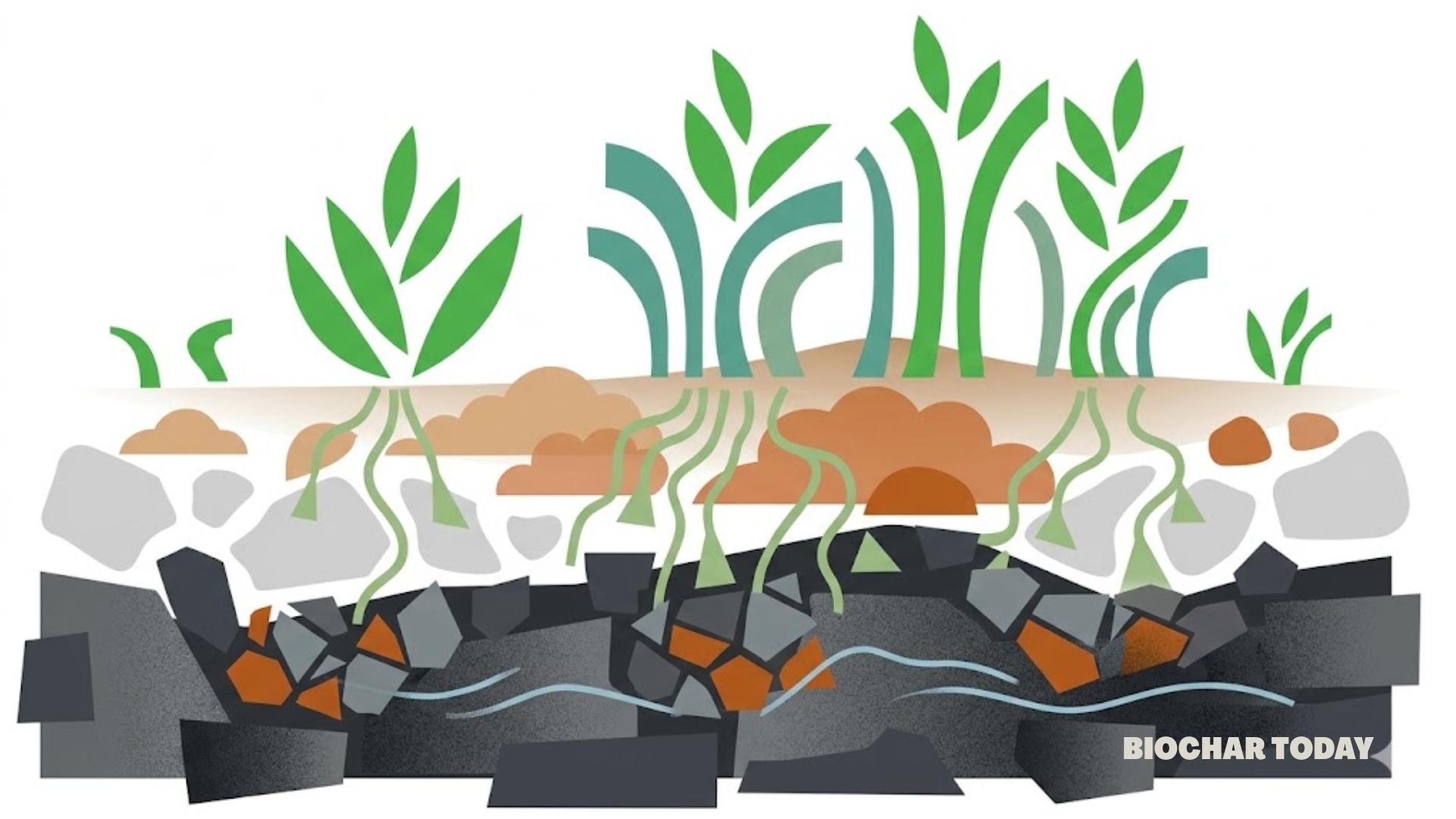
- Burying a layer of biocharBiochar is a carbon-rich material created from biomass decomposition in low-oxygen conditions. It has important applications in environmental remediation, soil improvement, agriculture, carbon sequestration, energy storage, and sustainable materials, promoting efficiency and reducing waste in various contexts while addressing climate change challenges. More deep in the soil acts as a physical shield that stops salt from rising to the surface where it can harm plants.
- This underground barrier helps the soil hold onto more fresh water, keeping the area where roots grow moist and healthy even in dry conditions.
- Biochar works better and lasts much longer than traditional materials like straw because it does not rot away quickly in the ground.
- Using this method can significantly increase the amount of food grown on salty land, helping farmers secure their livelihoods and improve food security.
- The technique turns agricultural waste into a valuable tool for cleaning up degraded farmland and protecting crops from the effects of climate change.
In a comprehensive review published in the journal AgriEngineering, authors Muhammad Irfan and Gamal El Afandi explore the transformative potential of buried biochar interlayers for managing salt-affected soils. Soil salinity currently impacts nearly ten percent of the Earth’s land surface, a problem that is expected to worsen as climate change expands arid regions and alters traditional rainfall patterns. While standard reclamation methods like heavy irrigation or chemical additions are often costly and water-intensive, the researchers highlight that subsurface barriers offer a more resource-efficient alternative. By placing a stable, porous material like biochar at specific depths beneath the soil surface, farmers can fundamentally change how water and salt move through the ground.
The primary finding of the review is that biochar serves as an exceptional capillary barrier. In many salt-affected areas, evaporation pulls moisture upward from shallow, salty groundwater, leaving behind high concentrations of minerals in the root zone that eventually kill crops. A buried biochar layer, typically placed at a depth of twenty to forty centimeters, disrupts these narrow pathways. This intervention prevents the upward migration of salts while simultaneously encouraging fresh water from rain or irrigation to move downward, effectively flushing existing salts away from the plant roots. Unlike traditional straw interlayers, which have a limited lifespan of approximately one hundred days due to natural decomposition, biochar remains physically and chemically stable for much longer periods.
Beyond acting as a simple physical shield, biochar offers multifunctional benefits that improve the overall health of the soil. Its large surface area and high porosityPorosity of biochar is a key factor in its effectiveness as a soil amendment and its ability to retain water and nutrients. Biochar’s porosity is influenced by feedstock type and pyrolysis temperature, and it plays a crucial role in microbial activity and overall soil health. Biochar More allow it to act like a sponge, significantly increasing the water-holding capacity of the soil by up to thirty-two percent in some desert environments. Furthermore, its unique chemical properties enable it to trap sodium ions, preventing them from being absorbed by plants. This dual action of improving moisture and reducing chemical stress allows crops to thrive in environments that were previously considered unproductive. Experimental data cited in the study shows that these systems can reduce the electrical conductivity of the soil, a key measure of saltiness, and lead to dramatic improvements in plant growth and final harvest weights.
The research also identifies critical factors for the success of these underground systems, including the thickness of the layer and the type of material used to create the biochar. Studies suggest that a layer approximately five centimeters thick provides the best balance between effectiveness and practical feasibility for farmers. While materials like sand and gravel can also block salt migration, they do not offer the added fertility and nutrient-holding benefits that biochar provides. Consequently, biochar is presented as a superior long-term solution for sustainable agriculture in challenging climates. By integrating engineering principles with organic soil amendments, this technique provides a scalable way to restore degraded lands and protect global food supplies from the growing threat of salinization.
Source: Irfan, M., & El Afandi, G. (2026). A comprehensive review of buried biochar layer applications for soil salinity mitigation: Mechanisms, efficacy, and future directions. AgriEngineering, 8, 148-170.





Leave a Reply