
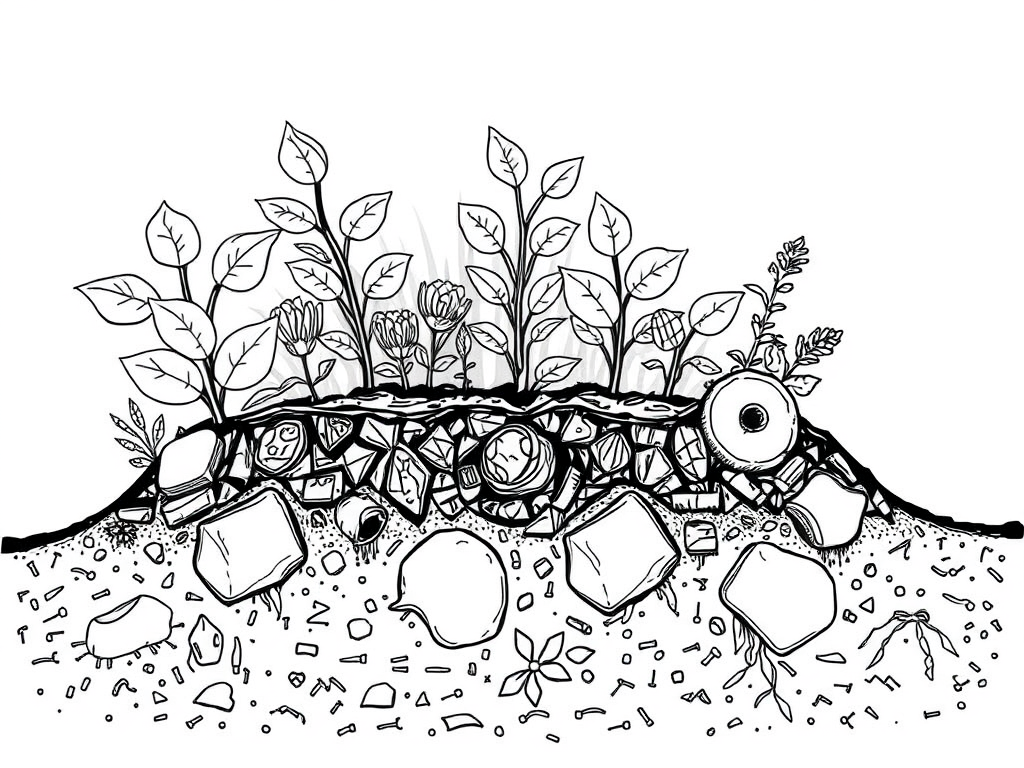
BiocharBiochar is a carbon-rich material created from biomass decomposition in low-oxygen conditions. It has important applications in environmental remediation, soil improvement, agriculture, carbon sequestration, energy storage, and sustainable materials, promoting efficiency and reducing waste in various contexts while addressing climate change challenges. More has emerged as a promising solution for various environmental and agricultural challenges, captivating researchers and industries alike. It’s touted for its ability to improve soil fertility, mitigate climate change, and manage waste sustainably, yet its story has a shadowy side, demanding a hard look at potential health risks alongside its celebrated benefits.
Yes, we are increasingly embracing this carbon-rich material, but it’s crucial to acknowledge that biochar is not without its potential downsides.
As a biochar researcher deeply committed to advancing this field, I feel it’s my responsibility to bring these potential risks to the forefront, urging a shift towards cautious and informed application to ensure biochar becomes a long-term boon, not an unintended bane. Hence, this blog post aims to shed light on biochar’s potential toxicological and health implications, urging caution and responsible practices in its production and application.
The Biochar Paradox: Promise vs. Peril
Biochar’s allure stems from its unique properties. Produced through pyrolysis—the thermal decomposition of biomassBiomass is a complex biological organic or non-organic solid product derived from living or recently living organism and available naturally. Various types of wastes such as animal manure, waste paper, sludge and many industrial wastes are also treated as biomass because like natural biomass these More in an oxygen-limited environment—it boasts high porosityPorosity of biochar is a key factor in its effectiveness as a soil amendment and its ability to retain water and nutrients. Biochar’s porosity is influenced by feedstock type and pyrolysis temperature, and it plays a crucial role in microbial activity and overall soil health. Biochar More, a large surface area (Amalina et al., 2022, 2023) and the ability to retain nutrients and water in the soil(Khan et al., 2024). These characteristics can improve soil health and reduce greenhouse gas emissions (Pandian et al., 2024; Shyam et al., 2025; Waheed et al., 2025).
However, the process that creates biochar can also lead to the formation or concentration of harmful substances (Han et al., 2022). The nature and amount of these substances depend heavily on the feedstockFeedstock refers to the raw organic material used to produce biochar. This can include a wide range of materials, such as wood chips, agricultural residues, and animal manure. More used (the original biomass) and the pyrolysis conditionsThe conditions under which pyrolysis takes place, such as temperature, heating rate, and residence time, can significantly affect the properties of the biochar produced. More, particularly temperature (Tomczyk et al., 2020). For example, feedstocks contaminated with heavy metals can lead to biochar with elevated levels of these toxins. Similarly, certain pyrolysisPyrolysis is a thermochemical process that converts waste biomass into bio-char, bio-oil, and pyro-gas. It offers significant advantages in waste valorization, turning low-value materials into economically valuable resources. Its versatility allows for tailored products based on operational conditions, presenting itself as a cost-effective and efficient More temperatures can favor the formation of polycyclic aromatic hydrocarbons (PAHs), some of which are carcinogenic. This inherent duality—the capacity for both benefit and harm—constitutes the biochar paradox. It necessitates a nuanced approach, carefully weighing the potential advantages against the possible risks.

Schematic diagram of biochar transport in the soil/water/atmosphere system (Dong et al.,2025)
Potential culprits: A chemical inventory of concern
While its properties are often beneficial, it is essential to acknowledge the potential presence of certain compounds. These varying chemicals, varying in type and concentration, require careful consideration during biochar production and application. Studies like that of Xiang et al. (2021) show that several potentially hazardous compounds can be associated with biochar. Let’s have a quick look at those possible felons. Once released into the environment, biochar can interact with environmental media, potentially releasing these associated pollutants and threatening ecosystems. To better understand these risks, it’s helpful to categorize them based on the source of the pollutants carried by biochar: endogenous (originating within the feedstock) and exogenous (introduced during production or application)(Dong et al., 2025).
- Polycyclic Aromatic Hydrocarbons (PAHs): These are a group of organic compounds, some of which are known carcinogens. Their formation is linked to incomplete combustion, and their concentration in biochar can vary significantly.
- Potentially Toxic Elements (PTEs): These include heavy metals like cadmium, lead, arsenic, and mercury, which can be present in the original biomass, especially if it’s derived from contaminated sources like sewage sludge. Pyrolysis can concentrate these elements in the biochar.
- Volatile Organic Compounds (VOCs): These are organic chemicals that can vaporize easily at room temperature. They can be produced during pyrolysis and pose inhalation hazards.
- Dioxins and Furans: These are highly toxic and persistent environmental pollutants that can form during the combustion of organic materials.
Health hazards of biochar from a life cycle perspective: from biochar’s birth to its field application
The potential health risks associated with biochar are not confined to a single stage. Instead, they can emerge at various points throughout biochar’s life cycle, from its initial production to its eventual application in the field. Understanding this comprehensive risk profile is crucial for developing safe handling practices and mitigating potential harm as strongly established by various studies (Anjum et al., 2014; Dong et al., 2025; Gelardi et al., 2019; Mia et al., 2024)
1. During production: The fire within
The very creation of biochar, the pyrolysis process, inherently involves hazards.
- High Heat: Pyrolysis requires elevated temperatures, often ranging from 300 to 800 degrees Celsius. This intense heat poses a direct risk of burns to workers handling the equipment or the biochar itself, particularly immediately after the process is complete.
- Toxic Gases: The thermal decomposition of biomass releases a complex mixture of gases. These can include carbon monoxide, methane, and other volatile organic compounds, some of which are toxic or asphyxiating. Inadequate ventilation in production facilities can lead to dangerous accumulations of these gases, posing inhalation risks.
- Particulate Matter: The pyrolysis process, as well as subsequent handling of the resulting biochar, can generate significant amounts of fine particulate matter. This airborne dust can be inhaled, carrying with it not only carbon particles but also any adsorbed or inherent toxic substances present in the biochar.
2. During handling and application: The dust dilemma
Even after production, biochar can present health hazards, especially during handling and application in agricultural settings.
- Dust Inhalation: Biochar’s physical form is often that of a fine powder. Activities like bagging, transporting, and spreading biochar can generate substantial amounts of dust. Inhalation of this dust is a major concern, as it can penetrate deep into the respiratory system.
- Chemical Carriers: The dust particles act as carriers for potentially harmful chemicals present in the biochar. These chemicals, depending on the feedstock and production, can include heavy metals, PAHs, and other toxins, increasing the risk of exposure to these substances.
3. Long-Term environmental impact: A silent accumulation
Beyond the immediate risks to workers, there are concerns about the long-term environmental consequences of biochar application, which can indirectly affect human health.
- Contaminant Release: Some of the potentially harmful substances within biochar may not remain permanently bound to the material. Over time, environmental processes can cause these contaminants to be released into the soil and water.
- Food Chain Accumulation: If contaminated biochar is applied to agricultural land, there’s a risk that harmful substances can be taken up by crops and enter the food chain. This can lead to long-term exposure for consumers, even at low levels, potentially causing health problems.
Recent studies by Pinelli et al. (2024) investigating biochar’s direct effects on living organisms have revealed potential concerns. In-vitro experiments indicate that biochar particles can exhibit cellular toxicity by inhibiting cell proliferation, inducing oxidative stress (an imbalance in harmful free radical production), and triggering inflammation within cell cultures. Furthermore, in-vivo studies have demonstrated that exposure to biochar particles can elicit inflammation in lung tissues.
It’s essential to recognize that chemical analyses alone are insufficient to assess the health risks associated with biochar dust exposure fully. The manufacturing and application of biochar can generate fine dust from the collision, abrasion, grinding, and pulverization of biochar particles. Prolonged exposure to these small carbon particles, as seen in occupations like coal mining, can lead to serious health issues when workplace conditions are inadequate. Biochar produced in less efficient pyrolysis systems tends to be mechanically weak and brittle, leading to increased fragmentation during handling, reloading, and transport. With the increasing use of biochar in agriculture, the number of workers exposed to biochar dust is likely to rise. However, current knowledge about the resulting health risks remains limited, primarily focusing on dust inhalation.
These findings collectively emphasize the necessity for careful evaluation of the potential health risks associated with biochar, particularly for individuals involved in its production and handling.
Strategies for safer Biochar for minimizing the risks
In response to these concerns, there’s a growing emphasis on characterizing the chemical and physical properties of different biochar types. Regulatory frameworks are also being developed to ensure biochar production, quality assurance, and safe application. Organizations like the European Biochar Certificate and the International Biochar Initiative (IBI) provide guidelines and permissible limits for certain pollutants in biochar intended for soil use. Despite these efforts, our understanding of the complex relationships between biochar’s chemical and physical properties and its effects on living organisms, particularly humans, remains limited. Most studies have focused on biochar’s impact on soil biota, leaving a significant gap in knowledge regarding its potential health risks. While the potential risks are real, they can be mitigated through responsible practices (Jatav et al., 2021; Major, 2010; Schwab & Hanna, 2012):
- Feedstock Selection: Choosing clean, uncontaminated biomass as the starting material is crucial. Avoiding feedstocks like sewage sludge or heavily polluted agricultural waste can significantly reduce the risk of PTE and other contaminant contamination.
- Optimizing Pyrolysis Conditions: Carefully controlling the pyrolysis process, particularly temperature and residence timeResidence time refers to the duration that the biomass is heated during the pyrolysis process. The residence time can influence the properties of the biochar produced. More, can minimize the formation of harmful byproducts like PAHs and VOCs.
- Post-Production Treatments: Biochar can be treated after production to remove or neutralize contaminants. Washing, composting, or other chemical treatments can be employed to reduce the levels of VOCs and PAHs.
- Particle Size Management: Producing biochar in forms that minimize dust generation (e.g., pellets or briquettes) can reduce inhalation risks during handling and application.
- Safety Protocols: Implementing and enforcing strict safety protocols for workers is essential. This includes wearing appropriate respiratory protection (masks), ensuring adequate ventilation in production facilities, and minimizing skin contact.
- Regulatory Frameworks: Developing and adhering to clear regulatory guidelines for biochar production and application can help ensure quality and safety.
Responsible Innovations as the Path Forward
As a dedicated biochar researcher and the science editor of Biochar Today, I recognize both this material’s immense promise and potential pitfalls. With its capacity to boost soil fertility, combat climate change, and transform waste, biochar can indeed be a powerful ally. However, I must stress that its indiscriminate production and application – driven by enthusiasm rather than evidence-based guidelines – could easily turn this potential boon into an environmental and health-related bane. Therefore, responsible innovation, guided by rigorous science and robust regulation, is paramount to ensure biochar’s safe and sustainable deployment.
References
Amalina, F., Krishnan, S., Zularisam, A. W., & Nasrullah, M. (2023). Recent advancement and applications of biochar technology as a multifunctional component towards sustainable environment. Environmental Development, 46. https://doi.org/10.1016/j.envdev.2023.100819
Amalina, F., Razak, A. S. A., Krishnan, S., Sulaiman, H., Zularisam, A. W., & Nasrullah, M. (2022). Biochar production techniques utilizing biomass waste-derived materials and environmental applications – A review. Journal of Hazardous Materials Advances, 7(June), 100134. https://doi.org/10.1016/j.hazadv.2022.100134
Anjum, R., Krakat, N., Toufiq Reza, M., & Klocke, M. (2014). Assessment of mutagenic potential of pyrolysis biochars by Ames Salmonella/mammalian-microsomal mutagenicity test. Ecotoxicology and Environmental Safety, 107, 306–312. https://doi.org/10.1016/j.ecoenv.2014.06.005
Dong, M., Jiang, M., He, L., Zhang, Z., Gustave, W., Vithanage, M., Niazi, N. K., Chen, B., Zhang, X., Wang, H., & He, F. (2025). Challenges in safe environmental applications of biochar: identifying risks and unintended consequence. Biochar, 7(1). https://doi.org/10.1007/s42773-024-00412-4
Gelardi, D. L., Li, C., & Parikh, S. J. (2019). An emerging environmental concern: Biochar-induced dust emissions and their potentially toxic properties. Science of the Total Environment, 678, 813–820. https://doi.org/10.1016/j.scitotenv.2019.05.007
Han, H., Buss, W., Zheng, Y., Song, P., Khalid Rafiq, M., Liu, P., Mašek, O., & Li, X. (2022). Contaminants in biochar and suggested mitigation measures – a review. Chemical Engineering Journal, 429. https://doi.org/10.1016/j.cej.2021.132287
Jatav, H. S., Rajput, V. D., Minkina, T., Singh, S. K., Chejara, S., Gorovtsov, A., Barakhov, A., Bauer, T., Sushkova, S., Mandzieva, S., Burachevskaya, M., & Kalinitchenko, V. P. (2021). Sustainable approach and safe use of biochar and its possible consequences. Sustainability (Switzerland), 13(18), 1–22. https://doi.org/10.3390/su131810362
Khan, S., Irshad, S., Mehmood, K., Hasnain, Z., Nawaz, M., Rais, A., Gul, S., Wahid, M. A., Hashem, A., Fathi, E., & Ibrar, D. (2024). Biochar Production and Characteristics, Its Impacts on Soil Health, Crop Production, and Yield Enhancement: A Review. Plants, 13(166), 1–18.
Major, J. (2010). Guidelines on Practical Aspects of Biochar Application to Field Soil in Various Soil Management Systems.
Mia, S., Bristy, S. Y., Jindo, K., Munna, M. N. H., Rahman, M. M., Uddin, K., Kasim, S., & Rahman, M. S. (2024). Potential Health Risks Associated with Biochar-From Production to Field Application. Biochar Amendments for Environmental Remediation, November, 293–304. https://doi.org/10.1201/9781003344803-28
Pandian, K., Vijayakumar, S., Mustaffa, M. R. A. F., Subramanian, P., & Chitraputhirapillai, S. (2024). Biochar – a sustainable soil conditioner for improving soil health, crop production and environment under changing climate: a review. Frontiers in Soil Science, 4(May), 1–17. https://doi.org/10.3389/fsoil.2024.1376159
Pinelli, S., Rossi, S., Malcevschi, A., Miragoli, M., Corradi, M., Selis, L., Tagliaferri, S., Rossi, F., Cavallo, D., Ursini, C. L., Poli, D., & Mozzoni, P. (2024). Biochar dust emission: Is it a health concern? Preliminary results for toxicity assessment. Environmental Toxicology and Pharmacology, 109(November 2023), 104477. https://doi.org/10.1016/j.etap.2024.104477
Schwab, C. V, & Hanna, H. M. (2012). Master Gardeners’ safety precautions for handling, applying, and storing biochar. In Agriculture and Biosystems Engineering, Extension and Outreach, Iowa State University (Issue April). http://lib.dr.iastate.edu/abe_eng_extensionpubs/5
Shyam, S., Ahmed, S., Joshi, S. J., & Sarma, H. (2025). Biochar as a Soil amendment : implications for soil health , carbon sequestration , and climate resilience. Discover Soil. https://doi.org/10.1007/s44378-025-00041-8
Tomczyk, A., Sokołowska, Z., & Boguta, P. (2020). Biochar physicochemical properties: pyrolysis temperature and feedstock kind effects. Reviews in Environmental Science and Biotechnology, 19(1), 191–215. https://doi.org/10.1007/s11157-020-09523-3
Waheed, A., Xu, H., Qiao, X., Aili, A., Yiremaikebayi, Y., Haitao, D., & Muhammad, M. (2025). Biochar in sustainable agriculture and Climate Mitigation: Mechanisms, challenges, and applications in the circular bioeconomy. Biomass and Bioenergy, 193. https://doi.org/10.1016/j.biombioe.2024.107531
Xiang, L., Liu, S., Ye, S., Yang, H., Song, B., Qin, F., Shen, M., Tan, C., Zeng, G., & Tan, X. (2021). Potential hazards of biochar: The negative environmental impacts of biochar applications. Journal of Hazardous Materials, 420(July), 126611. https://doi.org/10.1016/j.jhazmat.2021.126611




Leave a Reply