
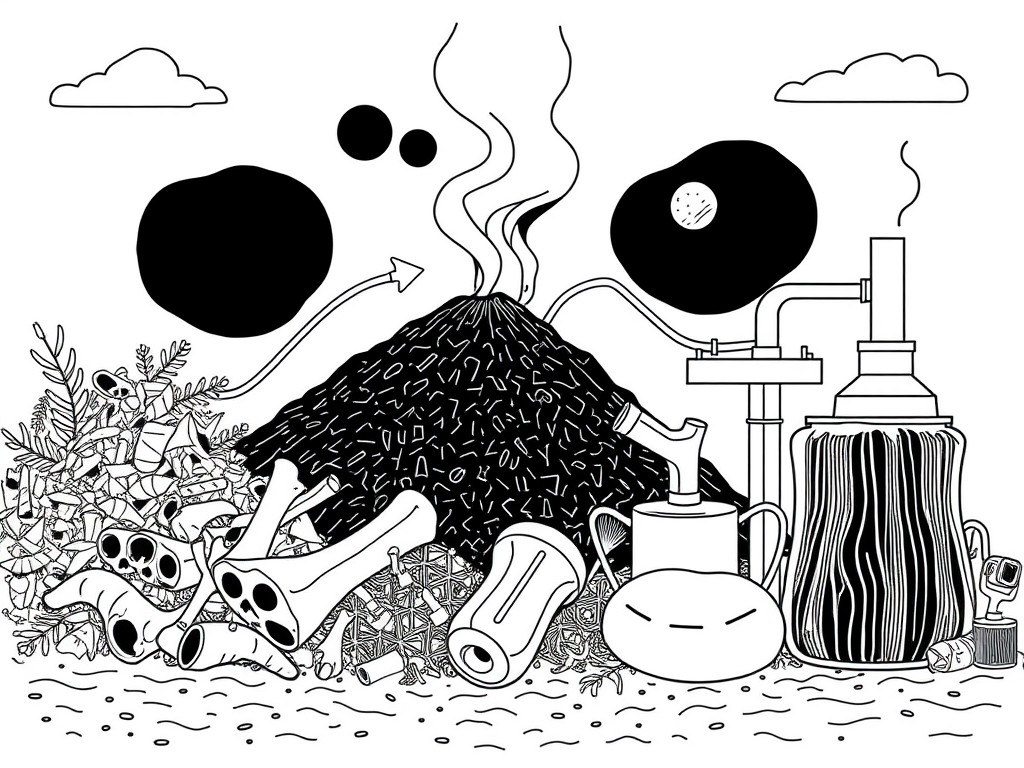
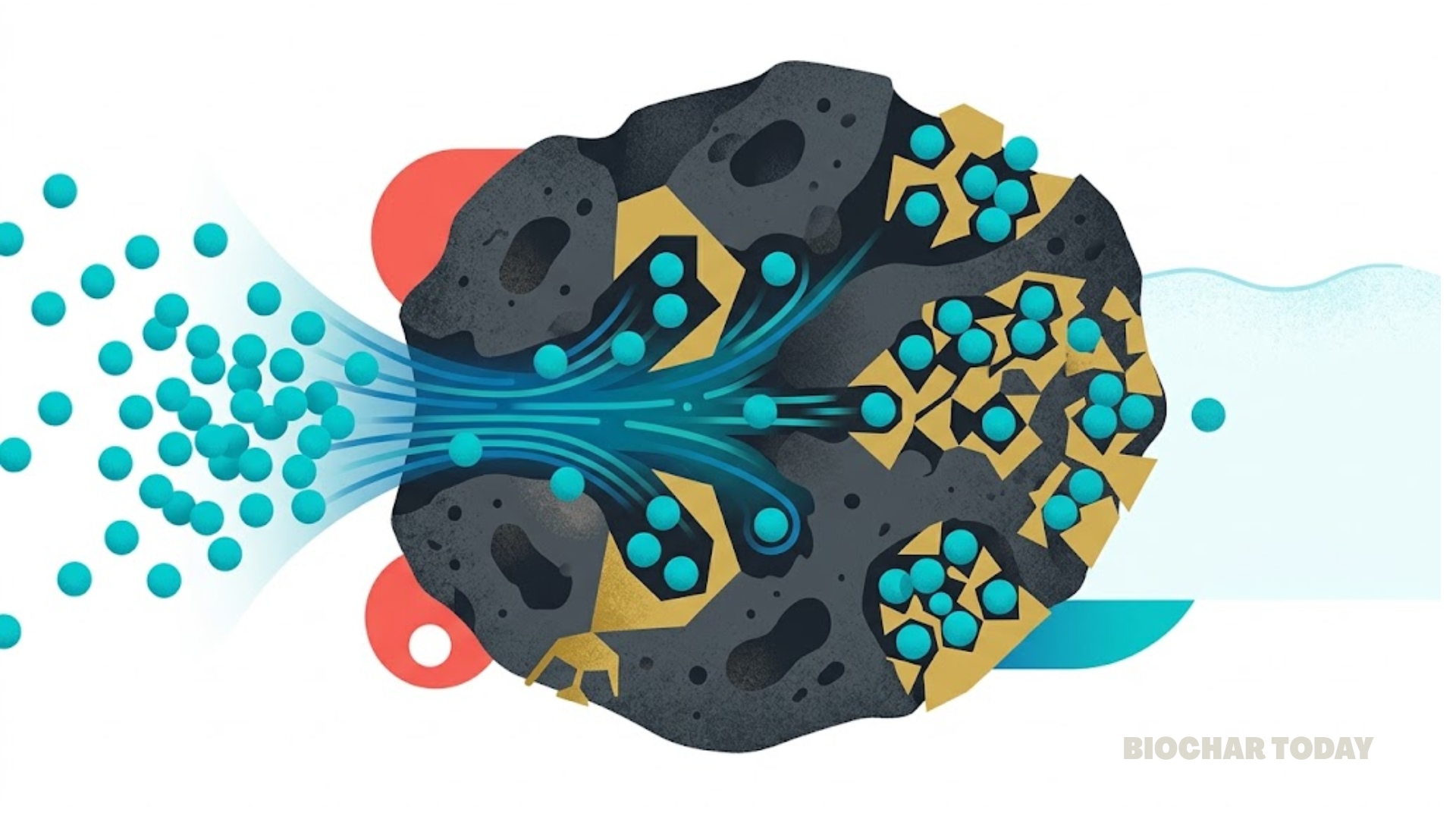
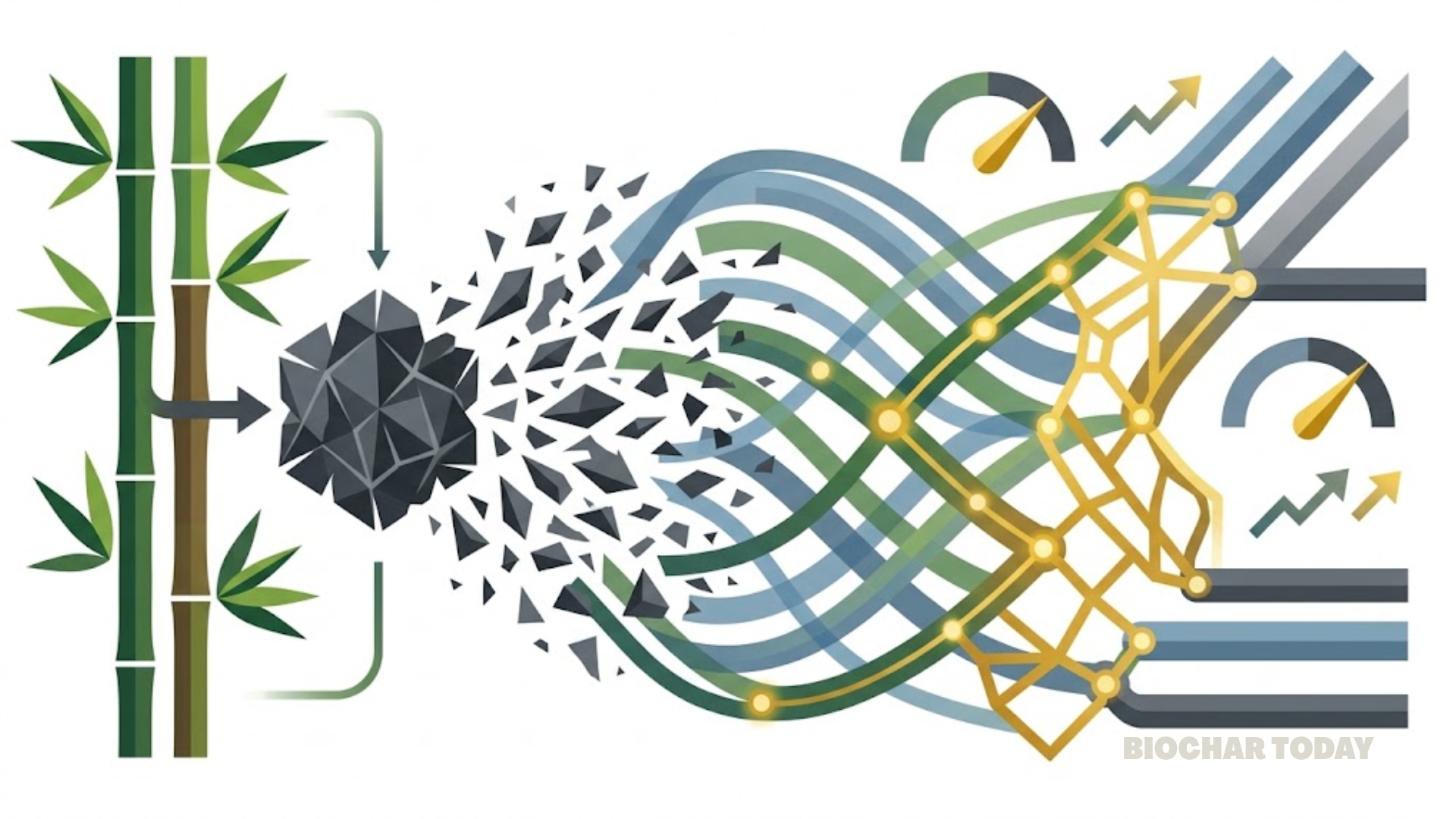
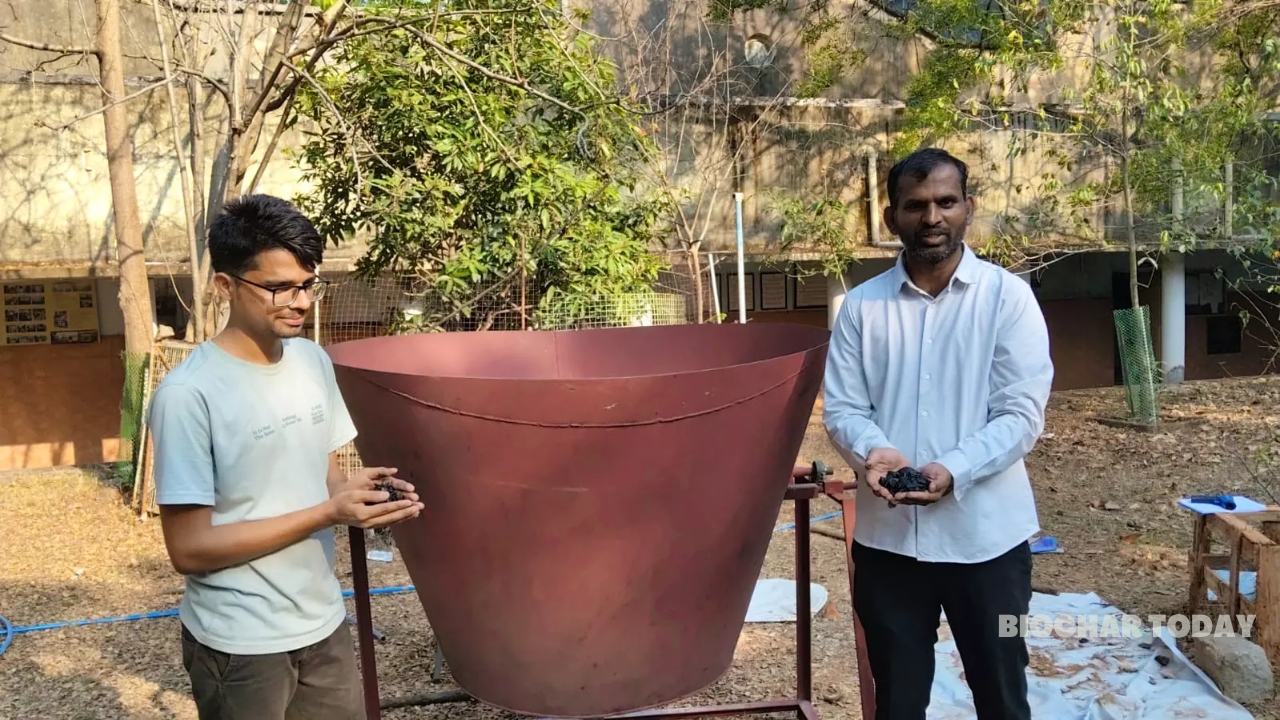
Today, we’re digging into the fascinating world of waste-derived biocharBiochar is a carbon-rich material created from biomass decomposition in low-oxygen conditions. It has important applications in environmental remediation, soil improvement, agriculture, carbon sequestration, energy storage, and sustainable materials, promoting efficiency and reducing waste in various contexts while addressing climate change challenges. More and its potential to revolutionize environmental remediation. Biochar, as we all know, the carbon-rich material derived from the pyrolysisPyrolysis is a thermochemical process that converts waste biomass into bio-char, bio-oil, and pyro-gas. It offers significant advantages in waste valorization, turning low-value materials into economically valuable resources. Its versatility allows for tailored products based on operational conditions, presenting itself as a cost-effective and efficient More of various biomasses, is gaining significant attention for its ability to tackle a wide range of environmental challenges. In this blog post, we’ll explore the scope of waste-derived modified biochar for environmental applications, its preparation methods, modification techniques, and its diverse roles in environmental remediation.
The Scope of Waste-Derived Modified: Biochar for Environmental Application
Tired of waste piling up? Biochar offers a powerful solution! This blog reveals how modified biochar transforms everything from sewage sludge to wood scraps into a pollution-fighting powerhouse. It not only cleans water and soil but also tackles climate change by locking away carbon. Discover the transformative power of waste derived biochar in its modified…
1–2 minutes


Leave a Reply