
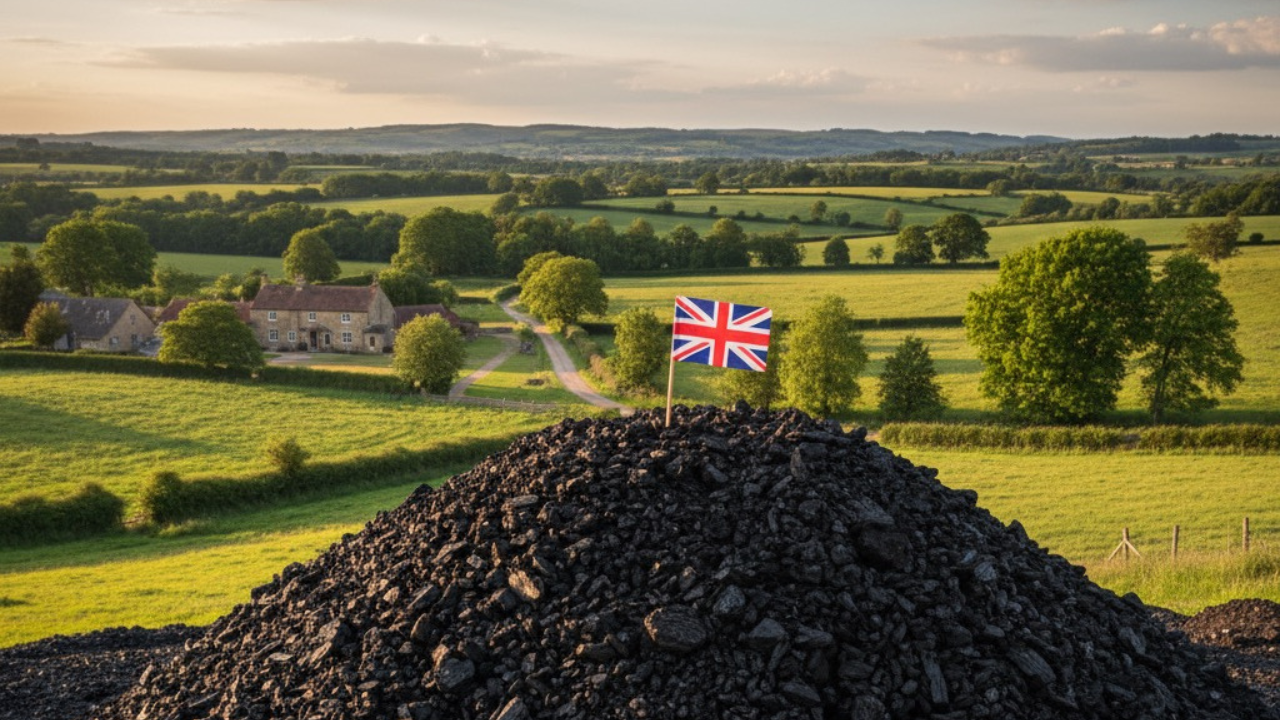
Working in forestry and agri-tech, I have noticed a lot of clear gaps in the UK’s land management practices and strategies. Gaps that I believe biocharBiochar is a carbon-rich material created from biomass decomposition in low-oxygen conditions. It has important applications in environmental remediation, soil improvement, agriculture, carbon sequestration, energy storage, and sustainable materials, promoting efficiency and reducing waste in various contexts while addressing climate change challenges. More can help to bridge. There is already a strong foundation of expertise, engineering and research present; but bureaucratic and economic barriers still persist. I wish to explore and unpack this in this article, offering some suggestions where I can along the way.
Unlike my profile on Nepal, where solutions need to be decentralised and community-driven, it is my view that the UK’s existing infrastructure and regulatory framework – for better or worse – demand an approach of scale and centralisation. This approach will allow for economics of scale and co-benefit utilisation that will make public and private collaborations vital for biochar’s success in the UK.
The BiomassBiomass is a complex biological organic or non-organic solid product derived from living or recently living organism and available naturally. Various types of wastes such as animal manure, waste paper, sludge and many industrial wastes are also treated as biomass because like natural biomass these More Paradox: Undervalued Wood and Imported Carbon
The potential for biochar production in the UK begins in our woodlands, yet this is also where we see a significant systemic failure. The UK’s reliance on cheap imported timber and wood products has, over decades, contributed to the decommercialization of our domestic forestry sector.
Consider this: the UK is the world’s second-largest wood importer and meets under 20% of its timber demand from homegrown sources. This reliance on overseas supply – often from intensely harvested boreal forests – undermines the UK’s ambitious net-zero goals by shifting carbon and biodiversity impacts abroad. Meanwhile, the domestic sector is underfunded and struggling with challenges like AshAsh is the non-combustible inorganic residue that remains after organic matter, like wood or biomass, is completely burned. It consists mainly of minerals and is different from biochar, which is produced through incomplete combustion. Ash Ash is the residue that remains after the complete More Dieback, creating a glut of non-marketable woody biomass that often goes to waste or is only used in low-value heat applications. More has to be done to revive British forestry. Sadly funding sources for forestry training from organisations like the Forestry Commission, have been phased out; entrenching financial barriers to forestry at both the institutional and personal level.
This underutilisation of forestry residue is where biochar steps in. By pyrolysing forest thinnings, sawmill waste, and arboricultural arisings, we transform what is currently seen as an economic burden into a valuable carbon-sequestering product and a source of renewable energy. This provides a vital, high-value incentive for woodland owners to engage in active, healthy forest management, something that has been sorely lacking.
The Environmental Imperative: Soil and Water Health
The output of this biomass valorisation – biochar – is perfectly suited to tackle two of what I believe are the most pressing environmental crises in the UK: soil degradation and water pollution.
Farming the Carbon Back In
Intensive agricultural practices have caused significant decline in our arable soils, with many having lost 40% to 60% of their organic carbon content. This loss severely affects fertility, water retention, and resilience to climate extremes. It isn’t just carbon, the UK is thought to have 4 million hectares at risk of compaction with 300,000 hectares thought to be contaminated by pollutants. All of this is expected to cost the UK £1.2 billion per year, with farmers expected to bear the brunt of the impact.
For British farmers, biochar can be a triple win:
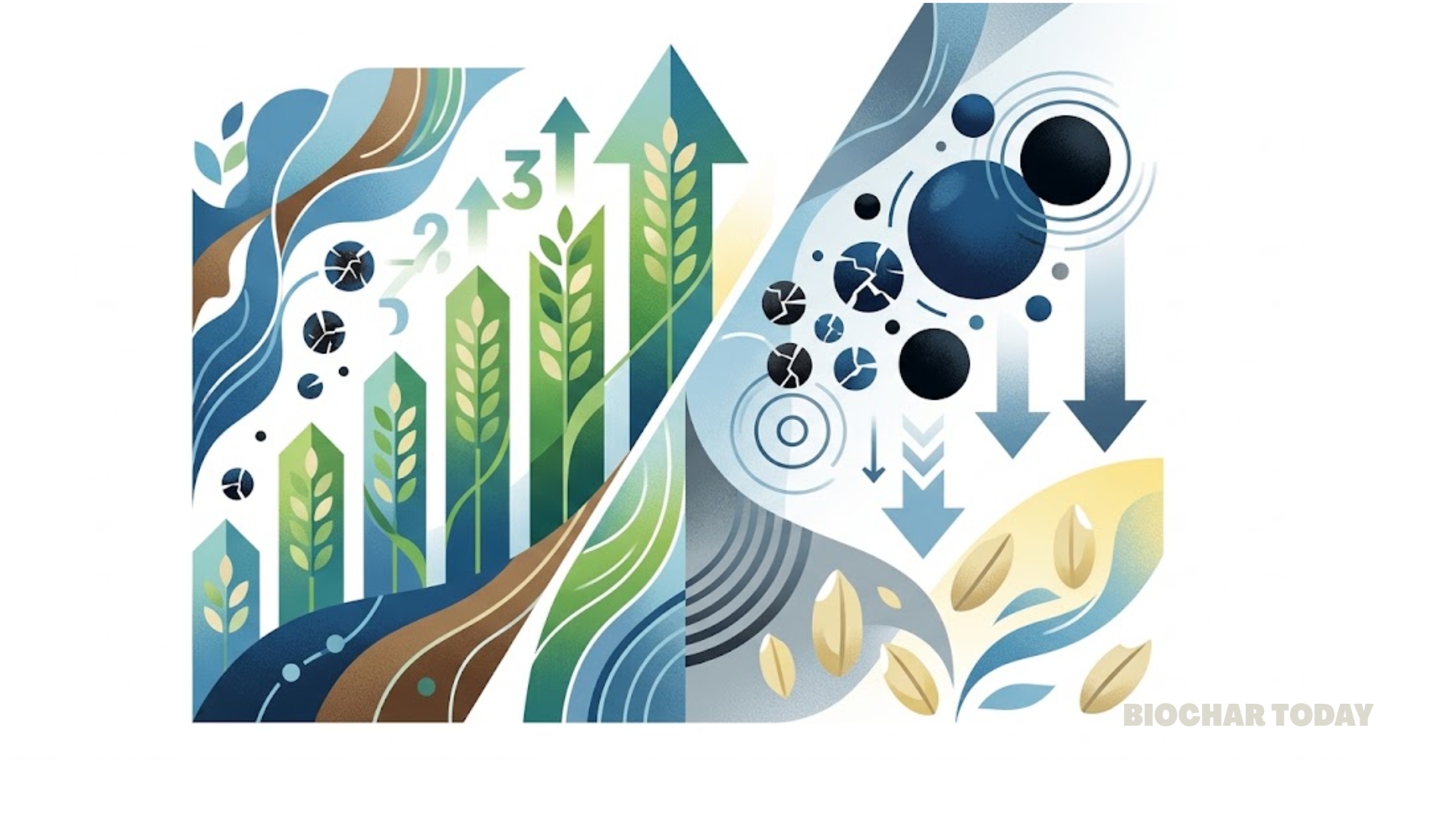
- Soil Improvement: Biochar’s porous structure dramatically increases the soil’s Cation Exchange Capacity (CEC) and aeration, locking in essential nutrients and requiring farmers to use less expensive synthetic fertiliser. It also acts as a sponge, improving water-holding capacity, which is crucial for managing both drought and excessive rainfall.
- Carbon Credits: Applied at scale, biochar allows farmers to participate in emerging domestic and international voluntary carbon markets, providing a critical new revenue stream to offset the initial purchase cost.
- Sustainable Transition: Biochar is an ideal tool for facilitating the transition away from reliance on chemicals and toward regenerative farming principles, aligning with new government support schemes. This also enables farmers to become more autonomous and protected from price volatility with inorganic fertilizer costs.
Filtering the Runoff
The UK’s waterways are increasingly threatened by diffuse agricultural pollution, particularly from high levels of nitrates and phosphates in farm runoff. This causes eutrophication and devastating algal blooms, as we’ve seen in rivers across the country. Biochar is an untapped resource for tackling this head-on.
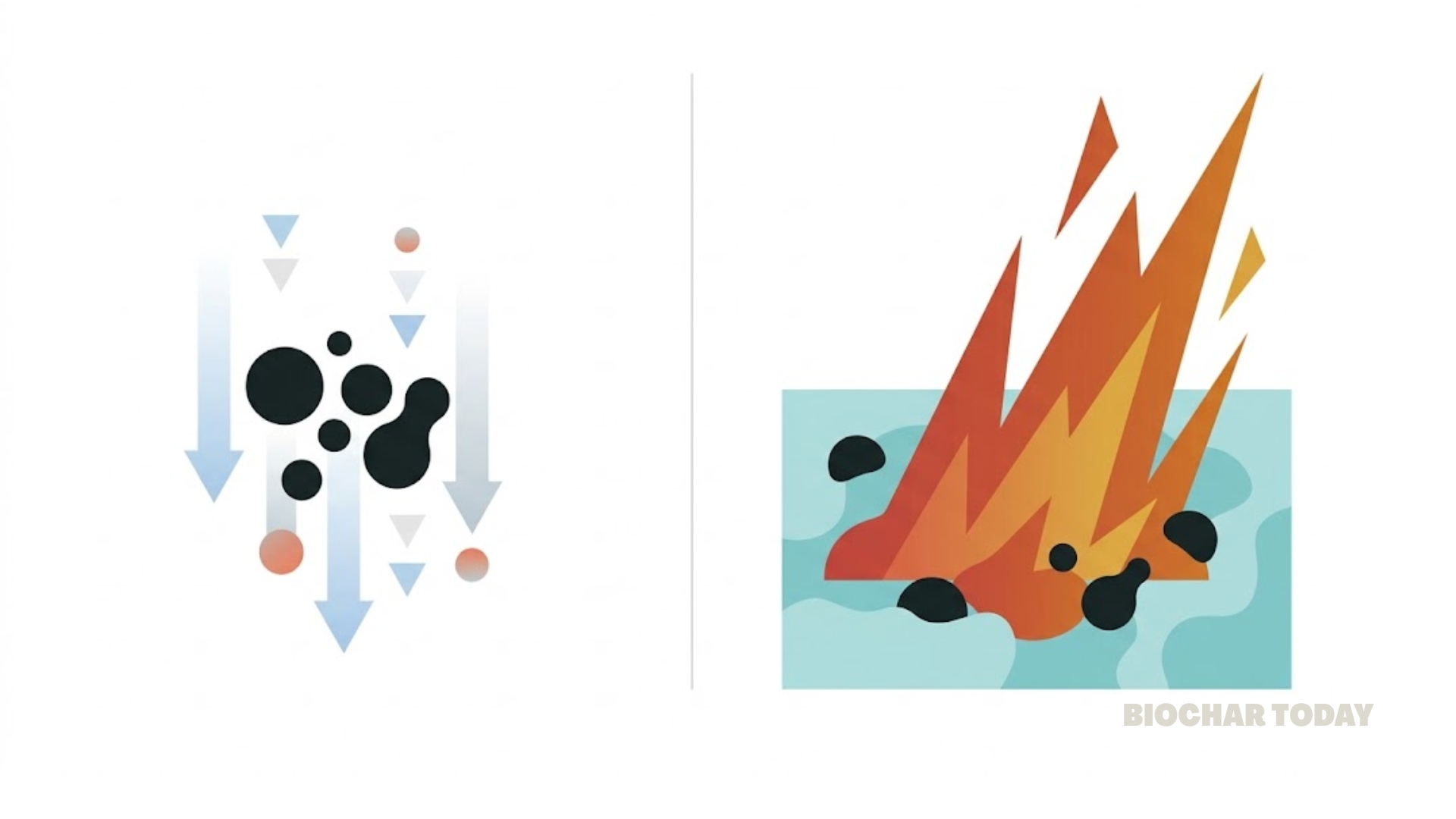
Biochar can be engineered and deployed in various forms – from permeable reactive barriers in ditches to low-cost filters in drainage systems – to act as a highly effective adsorbent. Its high surface area allows it to capture and immobilise excess nutrients before they reach the river system. Proactive measures like this are desperately needed, especially since over 60% of river stretches fail ecological health standards due to poor agricultural practices.
The beauty of using biochar for filtration in the agricultural context, is that it allows farmers to expunge as much value from their nutrient inputs. If you use a biochar filtration system for nutrient runoff, you are creating charged/inoculated biochar from the nutrients that would be a pollutant if they reached the water.

If this interests you, check out this article, by Finger Lakes Biochar, on WoodTek Engineering’s filtration system that they use on their farm. I visited their farm and biochar production facility in August and seeing their filtration system up close, you really see how it could tackle eutrophication in the UK. By working with farmers, generating co-benefits, the government can facilitate a shift from a regulatory, punitive approach to one focused on achieving cleaner rivers through partnership.
Navigating the Obstacles: Cost, Regulation, and Classification
Despite the clear environmental and economic benefits, the UK biochar sector faces substantial barriers to scale, many of which I’ve experienced or discussed with producers firsthand:
- High Cost to Farmers: Although the long-term benefits typically outweigh the initial outlay, the current cost of biochar (which can be as much as £1000 per tonne) is a significant barrier for farmers operating on tight margins. Subsidies, or carbon market access, are essential to bridge this gap. Currently producers are selling the physical material and carbon credits separately, so there ought to be an acknowledgement of this in pricing. If not, the biochar itself will not be accessible and then the carbon credits could become void, as they wouldn’t be applied to soils.
- Stringent Environmental Regulations: While essential for safety, the regulatory environment is complex. The Environment Agency’s Low Risk Waste Position (LRWP 61) for spreading biochar is a start, but it places highly restrictive limits on storage (10 tonnes) and annual application (1 tonne per hectare), which are not conducive to a large-scale agricultural adoption.
- The ‘Waste’ Classification Dilemma: The most persistent headache is the legal definition of biochar. As I’ve written about before, UK law often classifies biochar as waste if it’s made from “discarded” feedstocks or if the production’s primary goal is co-products (like heat). This legacy EU law designation is a major problem because waste status triggers costly and complex waste management regulations, which discourages investment and makes selling it as a simple soil product difficult.
Moving biochar to a by-product or end-of-waste status is arguably the most crucial policy change the UK government can make.
A separate but related issue is that biomass recycling targets do not credit thermoconversion (like pyrolysisPyrolysis is a thermochemical process that converts waste biomass into bio-char, bio-oil, and pyro-gas. It offers significant advantages in waste valorization, turning low-value materials into economically valuable resources. Its versatility allows for tailored products based on operational conditions, presenting itself as a cost-effective and efficient More for biochar). This actively discourages local councils from supporting biochar production, as it negatively impacts their official recycling rates.
Scaling the Solution: Why Regional Hubs could be the British Model
During the IBI study tour, I saw a variety of impressive small-scale, modular pyrolysis units in operation. They are fantastic for community projects and farm-scale applications, and potentially some forms of forestry. However, to meet the UK’s net-zero targets and address the scale of our soil and biomass challenge, we cannot rely solely on the small, distributed model that may be necessary in a country like Nepal.
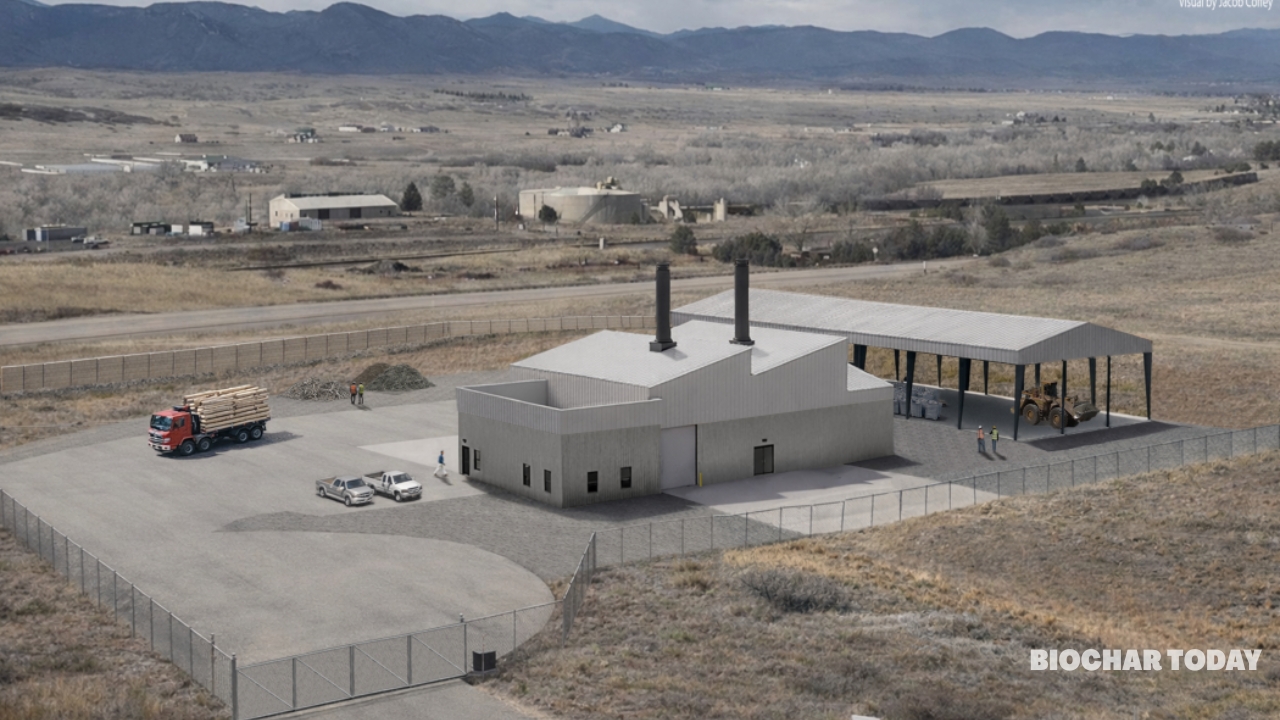
The UK needs large, regional pyrolysis hubs.
Our strong national infrastructure, including a well-developed road network and an increasing push toward low-carbon heavy vehicle technology, makes the centralisation of biomass transport and processing economically and logistically feasible. Large-scale facilities allow for:
- Economies of Scale: Lowering the production cost per tonne, making biochar more affordable for farmers.
- Optimal Co-product Utilisation: Efficiently capturing and using the heat and pyrolysis oils produced, maximising energy returns and improving the overall financial viability of the plant.
- Consistent Quality: Centralised control ensures the biochar meets stringent, certified quality standards required for premium agricultural or carbon market applications. Ultimately, environmental bureaucracy is high, so in situ production at scale is unrealistic.
A promising model for this large-scale approach is being pioneered by Shropshire Council, which is actively developing a pyrolysis project to convert local biomass waste (including arisings from Ash Dieback) into biochar and renewable energy. This initiative demonstrates how local governments can take the lead in integrating waste management, climate action, and resource recovery – an approach that other regional authorities should be watching and emulating closely.
The UK has the feedstockFeedstock refers to the raw organic material used to produce biochar. This can include a wide range of materials, such as wood chips, agricultural residues, and animal manure. More, the need, and the expertise. The next steps are no longer about proving the technology; they are about fixing the policy framework and securing the large-scale investment necessary to scale it in a way that minimises risks for farmers and foresters. The UK needs to reevaluate its relationship with its woodlands.
Processing timber is not an innately problematic practice. We need the material and our forests are overstocked. Furthermore, forestry practices like coppicing have been shown to actually sequester more carbon in the long term with biochar bolstering that position by using brash by-products. Protecting and caring about trees is a good sentiment to have but in doing so, we have become detached from our forests, undervaluing their role in the Net-Zero transition, and underinvesting in their management.


Leave a Reply