
Key Takeaways
- BiocharBiochar is a carbon-rich material created from biomass decomposition in low-oxygen conditions. It has important applications in environmental remediation, soil improvement, agriculture, carbon sequestration, energy storage, and sustainable materials, promoting efficiency and reducing waste in various contexts while addressing climate change challenges. More from Ethiopian oilseed crops shows high carbon stability for capturing carbon.
- Highly porous structures in the biochar make it a great choice for improving soil.
- Natural nutrients like potassium and calcium are present to help plants grow.
- Advanced testing shows this material is a reliable and low cost industrial resource.
- Turning agricultural waste into biochar supports a sustainable and circular economy.
In a recent study published in the journal Scientific Reports, authors Zinnabu Tassew Redda, Carsten Prinz, Abubeker Yimam, Mirko Barz, Katharina Becker, Desta Getachew Gizaw, and Asnakech Laß-Seyoum investigated the structural and textural characteristics of biochar derived from two indigenous Ethiopian Brassica carinata cultivars. The research highlights the potential of this low-cost, carbon-rich material for a variety of industrial applications. By analyzing the biochar produced from Yellow Dodolla and Holetta-1 oilseed meals, the team provided a comprehensive look at how these materials can contribute to a bio-based circular economy.
The results of the proximate analysis showed that the biochars are exceptionally stable, with fixed carbon contents ranging from 43.73 to 53.79 weight percent. This stability indicates an outstanding opportunity for carbon sequestration, which is vital for mitigating climate change. The Yellow Dodolla biochar exhibited a volatile matterVolatile matter refers to the organic compounds that are released as gases during the pyrolysis process. These compounds can include methane, hydrogen, and carbon monoxide, which can be captured and used as fuel or further processed into other valuable products. More content of 26.27 percent and an ashAsh is the non-combustible inorganic residue that remains after organic matter, like wood or biomass, is completely burned. It consists mainly of minerals and is different from biochar, which is produced through incomplete combustion. Ash Ash is the residue that remains after the complete More content of 14.80 percent. In comparison, the Holetta-1 cultivar showed a higher volatile matter content of 41.15 percent and a lower ash content of 10.93 percent. These findings suggest that the biochar was produced under optimal conditions that removed most organic molecules while maintaining a robust carbon matrix.
One of the most promising findings involves the nutrient profile of the biochar, which makes it suitable for sustainable agriculture. The analysis detected noticeable amounts of essential plant nutrients, including potassium, calcium, magnesium, iron, and phosphorous. Specifically, Yellow Dodolla biochar contained 1.49 percent potassium and 0.76 percent calcium, while Holetta-1 showed 1.32 percent potassium and 0.78 percent calcium. The presence of these minerals, combined with the absence of harmful elements like sodium and aluminum, suggests that this biochar can effectively serve as a soil supplement to enhance fertility and crop yields.
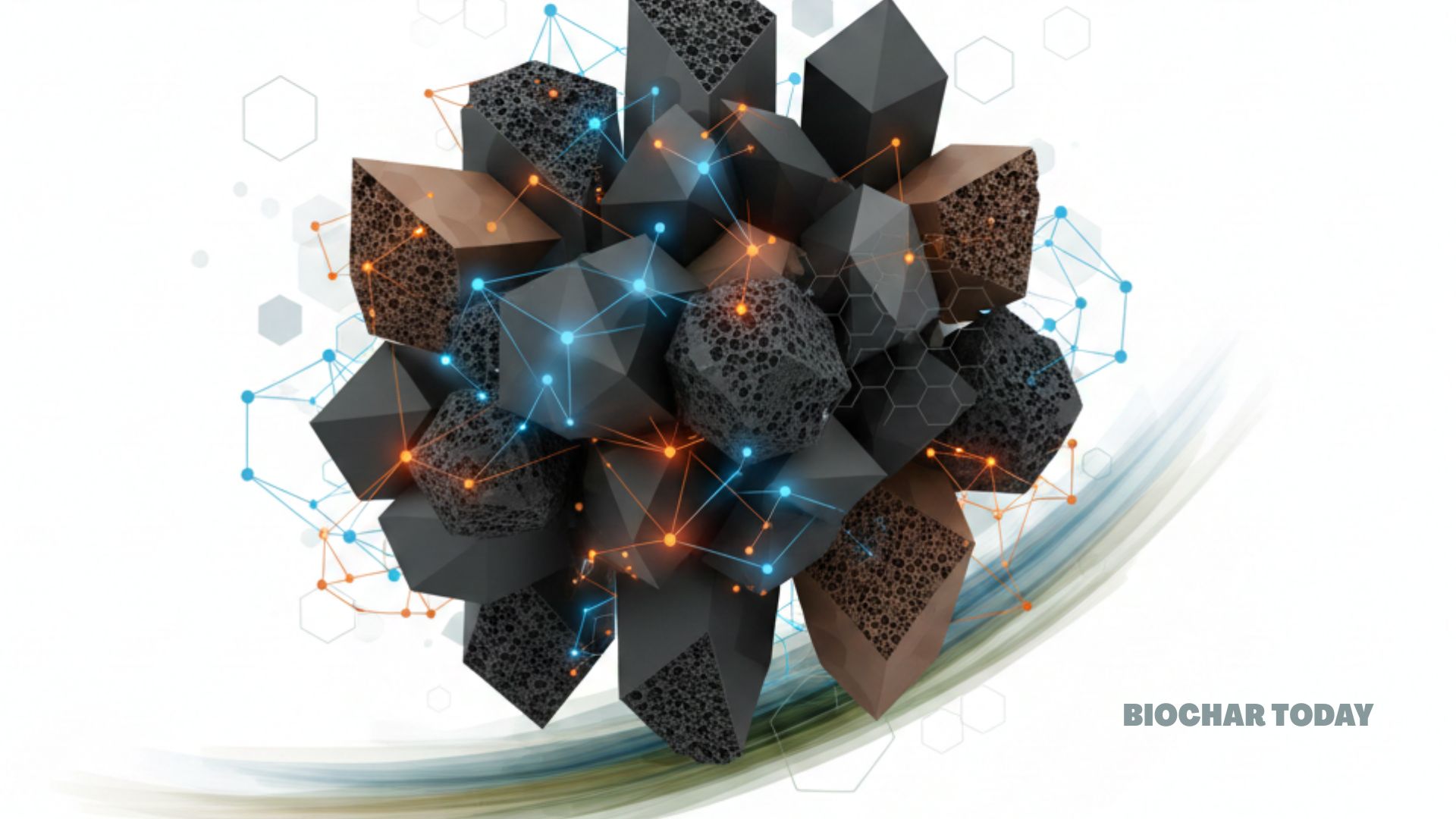
The structural investigation revealed that the biochars possess a highly porous nature, with total porosities varying between 62.68 and 69.99 percent. The Holetta-1 biochar demonstrated the highest porosityPorosity of biochar is a key factor in its effectiveness as a soil amendment and its ability to retain water and nutrients. Biochar’s porosity is influenced by feedstock type and pyrolysis temperature, and it plays a crucial role in microbial activity and overall soil health. Biochar More and a total intrusion volume of 1.65 milliliters per gram. This internal network of pores is crucial for environmental applications such as water retention and the adsorption of pollutants. Although the specific surface areas were relatively low, ranging from 0.17 to 0.21 square meters per gram, the study found that the material’s unique architecture is well-suited for diverse industrial roles.
Ultimately, the study confirms that biochar from Brassica carinata is a valuable raw material for energy and environmental sectors. Its high carbon content, combined with a rich nutrient profile and significant porosity, positions it as a sustainable alternative to traditional materials. By transforming agricultural waste into a high-value resource, this research supports the development of greener industrial processes and more resilient agricultural ecosystems.
Source: Redda, Z. T., Prinz, C., Yimam, A., Barz, M., Becker, K., Gizaw, D. G., & Laß-Seyoum, A. (2025). Structural and textural characterization of Brassica carinata biochar to investigate its potential industrial applications. Scientific Reports, 16, 5384.




Leave a Reply