

A recent video published on YouTube highlights an upcoming webinar on an emerging environmental remediation technology that repurposes biocharBiochar is a carbon-rich material created from biomass decomposition in low-oxygen conditions. It has important applications in environmental remediation, soil improvement, agriculture, carbon sequestration, energy storage, and sustainable materials, promoting efficiency and reducing waste in various contexts while addressing climate change challenges. More — an engineered charcoal-like carbon material — as a filtration medium to reduce per- and polyfluoroalkyl substances (PFAS), the so-called “forever chemicals,” from contaminated water sources. This presentation frames biochar not just as an agricultural soil amendmentA soil amendment is any material added to the soil to enhance its physical or chemical properties, improving its suitability for plant growth. Biochar is considered a soil amendment as it can improve soil structure, water retention, nutrient availability, and microbial activity. More but as a promising low-cost, high-impact adsorbent capable of binding and sequestering persistent industrial contaminants.
The video outlines how biochar filtration bags — essentially porous sacks filled with optimized biochar media — could be deployed to intercept PFAS compounds from crops and groundwater, preventing these pollutants from spreading through watersheds and entering drinking supplies or ecosystems. PFAS are a diverse class of synthetic chemicals that resist natural degradation, accumulate in the environment, and pose serious human health risks, including immune system and developmental effects.
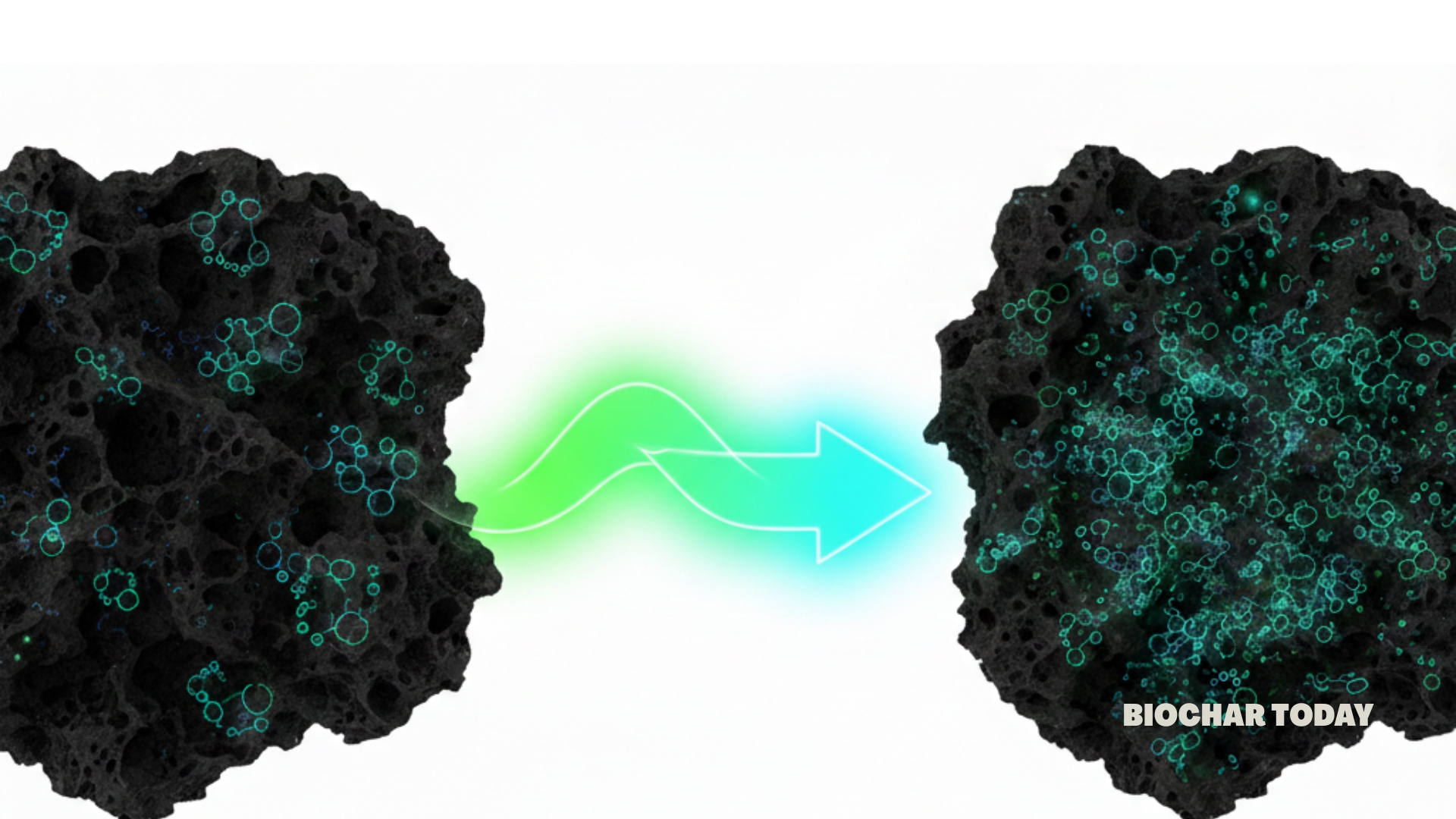
Central to the narrative is the material’s adsorptive efficiency: research shows that biochar derived from various feedstocks can be engineered to significantly adsorb PFAS from aqueous streams, with performance dependent on surface area, porosityPorosity of biochar is a key factor in its effectiveness as a soil amendment and its ability to retain water and nutrients. Biochar’s porosity is influenced by feedstock type and pyrolysis temperature, and it plays a crucial role in microbial activity and overall soil health. Biochar More, and pore size distribution. Longer-chain PFAS molecules tend to bind more effectively due to stronger hydrophobic interactions with the carbon matrix, making tailored biochars especially promising for remediating industrially impacted waters.
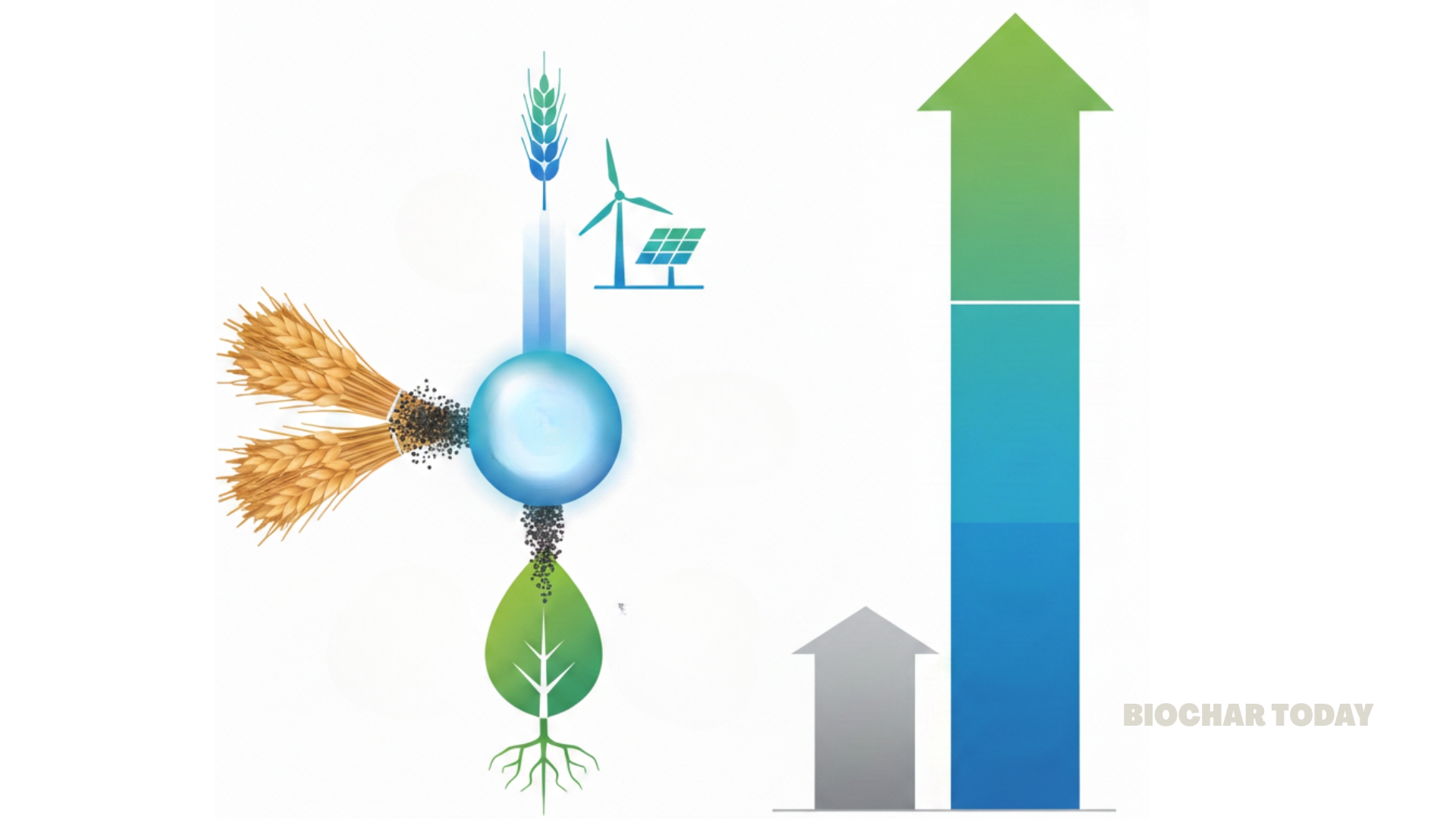
Beyond its contaminant-trapping function, the video emphasizes biochar’s sustainability advantages: unlike many traditional PFAS removal methods that rely on expensive synthetic resins or energy-intensive processes, biochar can be produced from agricultural residues or waste biomassBiomass is a complex biological organic or non-organic solid product derived from living or recently living organism and available naturally. Various types of wastes such as animal manure, waste paper, sludge and many industrial wastes are also treated as biomass because like natural biomass these More, giving it a low-cost and circular economy profile. Research shows biochar’s highly porous structure and engineered properties enhance its capability to adsorb PFAS, potentially offering a sustainable alternative for water and wastewater treatment.
The outcomes presented position biochar bags as a promising approach in the fight against PFAS contamination — but the technology is still being explored and validated, not yet a completed application. As regulatory pressure increases on PFAS pollution and demand grows for affordable remediation strategies, biochar-based filtration could offer communities, water utilities, and industries a sustainable solution that simultaneously sequesters carbon while protecting water resources.


Leave a Reply