Skip to content
LinkedIn
X
Facebook
Instagram
Reddit
Spotify
RSS Feed
Search
News
Blog
Industry Insights
Expert Profiles
Biochar Decoded
Ask Annie
Announcements
Podcast
Videos
Insights
Use Cases
Agriculture
Horticulture
Livestock
Landscaping
Building Materials
Concrete / Asphalt
Reforestation
Soil Remediation
Water Treatment
Carbon Sequestration
About
About Biochar Today
Partner Directory
Editorial Guidelines
Contact
wastewater treatment
Wastewater Treatment Capacity Reaches 721 Milligrams Per Gram Using Citrus Peel Biochar
Turning Biosolids into Biochar: New England’s Wastewater Transition
ZnO-Modified Biochar from Invasive Weeds Achieves Over Ninety Percent Removal of Pharmaceuticals in Wastewater Treatment
Metal-Modified Biochar Increases Phosphorus Adsorption by Over Eleven Times to Clean Water and Support Sustainable Farming
Data-Driven Discovery: Machine Learning Platform Increases Biochar Adsorption Efficiency by Over 18 Percent
Sustainable Coffee Waste Derived Adsorbent Removes 486 Milligrams of Azo Dye per Gram from Wastewater
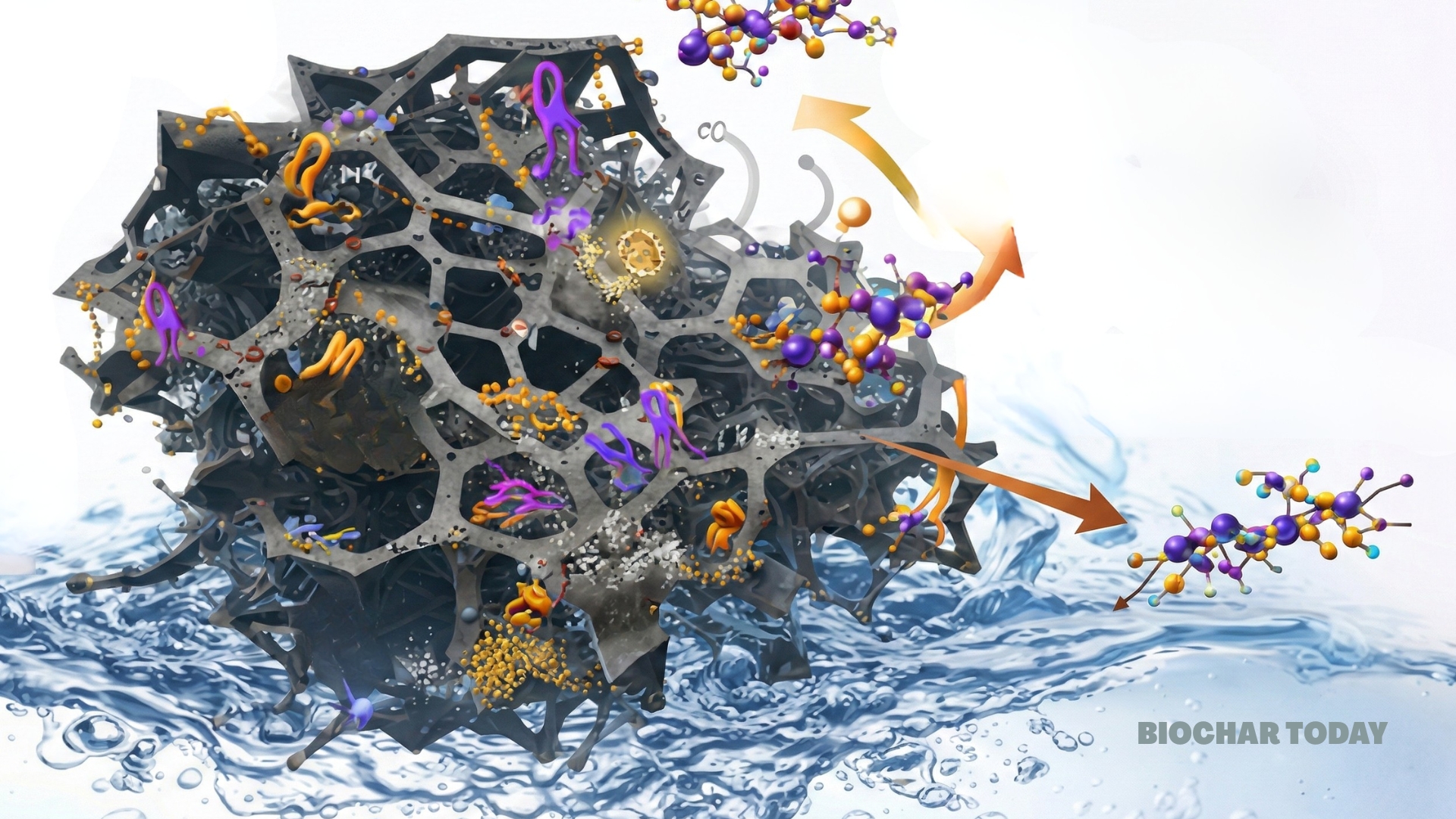
New Sponge-Like Material Degrades 42 Percent of Organic Pollutants Using Harvested Mechanical Energy
Sustainable Repurposing of Tomato Stem Waste into Biochar Removes Up to 108 Milligrams of Industrial Dye Per Gram of Material
Selective Hydrogen Bonding Increases Doxycycline Adsorption Rates on Biochar by Over Fifty Percent Compared to Other Tetracyclines
Capital Regional District Initiates Public Consultation on Biosolids-to-Biochar Strategy in Saanich
Previous Page
1
…
4
5
6
7
8
…
48
Next Page
Loading Comments...
Write a Comment...
Email (Required)
Name (Required)
Website