Skip to content
LinkedIn
X
Facebook
Instagram
Reddit
Spotify
RSS Feed
Search
News
Blog
Industry Insights
Expert Profiles
Biochar Decoded
Ask Annie
Announcements
Podcast
Videos
Insights
Use Cases
Agriculture
Horticulture
Livestock
Landscaping
Building Materials
Concrete / Asphalt
Reforestation
Soil Remediation
Water Treatment
Carbon Sequestration
About
About Biochar Today
Partner Directory
Editorial Guidelines
Contact
thermal stability
Internal Feedstock Moisture Content Adjusts Chemical Activation Barriers to Maximize Carbon Yields During Lignocellulosic Pyrolysis
Hybridizing Dragon Tree Fibers with Three Percent Biochar Boosts Epoxy Tensile Strength by Over One Hundred and Thirty-Five Percent
Bamboo-Derived Biochar Strengthens Flexible Polymer Composites by Over Sixty Percent
Incorporating 10 Weight Percent Biochar Enhances Polymer Stiffness by 112 Percent
Biochar From Biogas Waste Increases Carbon Stability by Over Five Times
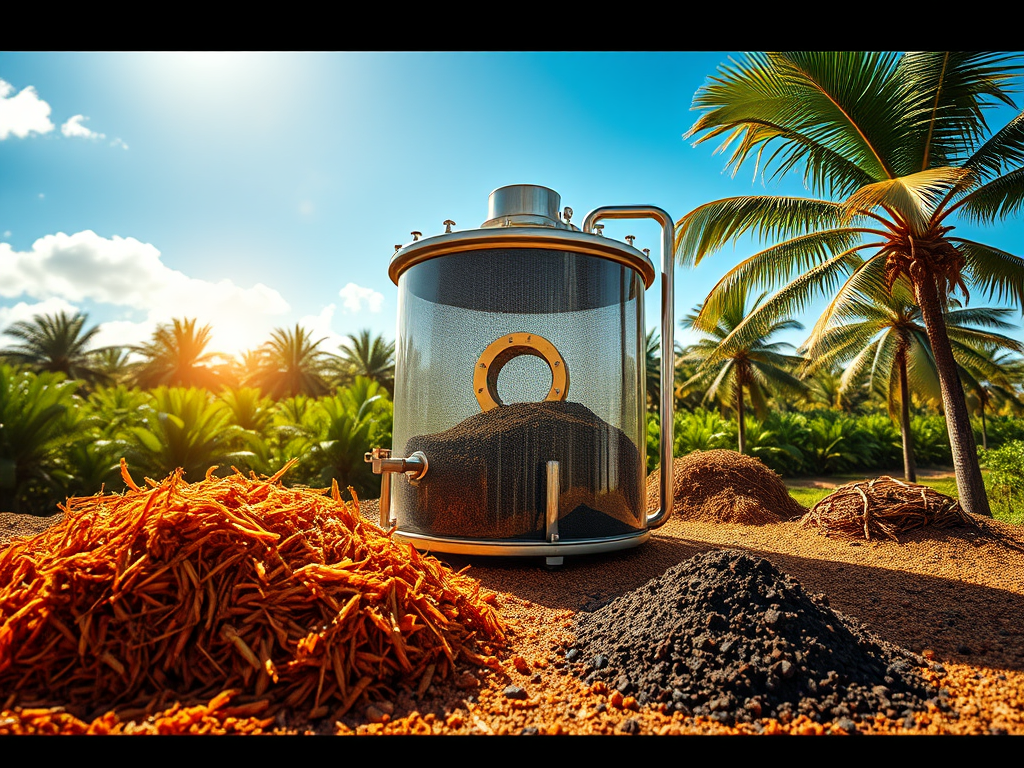
Solar Pyrolysis Converts Palm Oil Waste into Biochar with 47.8% Thermal Stability
Unlocking Biochar’s Potential: Rapeseed Meal and Ash Sawdust Show Promising Thermal Stability and Carbon Content
Improving Biocomposite Strength: Sodium Bicarbonate Treatment Elevates Curauá Fiber and Biochar Composites’ Tensile and Flexural Strength to 56.32 MPa and 74.69 MPa
Oak Biochar Produced at 850∘C via Downdraft Gasification Shows 78.7% Carbon Content and High Mesoporosity
Fly Ash-Doped Biochar: Pyrolysis Enhances Carbon Retention by 6.81% and Reduces Carbon Loss to 9.93%
1
2
3
Next Page
Loading Comments...
Write a Comment...
Email (Required)
Name (Required)
Website