Skip to content
LinkedIn
X
Facebook
Instagram
Reddit
Spotify
RSS Feed
Search
News
Blog
Industry Insights
Expert Profiles
Biochar Decoded
Ask Annie
Announcements
Podcast
Videos
Insights
Use Cases
Agriculture
Horticulture
Livestock
Landscaping
Building Materials
Concrete / Asphalt
Reforestation
Soil Remediation
Water Treatment
Carbon Sequestration
About
About Biochar Today
Partner Directory
Editorial Guidelines
Contact
Soil Fertility
Biochar-Immobilized Microbes Boost Crop Yields by Up to 53 Percent and Achieve 95 Percent Pollutant Removal in Soil Remediation
Machine Learning Identifies Optimal Biochar Pyrolysis Temperatures and Physical Benchmarks to Maximize Soil Cation Exchange Capacity by Over Ninety-Six Percent
Should You Charge Biochar Before Use? The Answer Isn’t as Simple as You Think
Accelerating Climate Action through Megaton and Gigaton Scale Carbon Storage
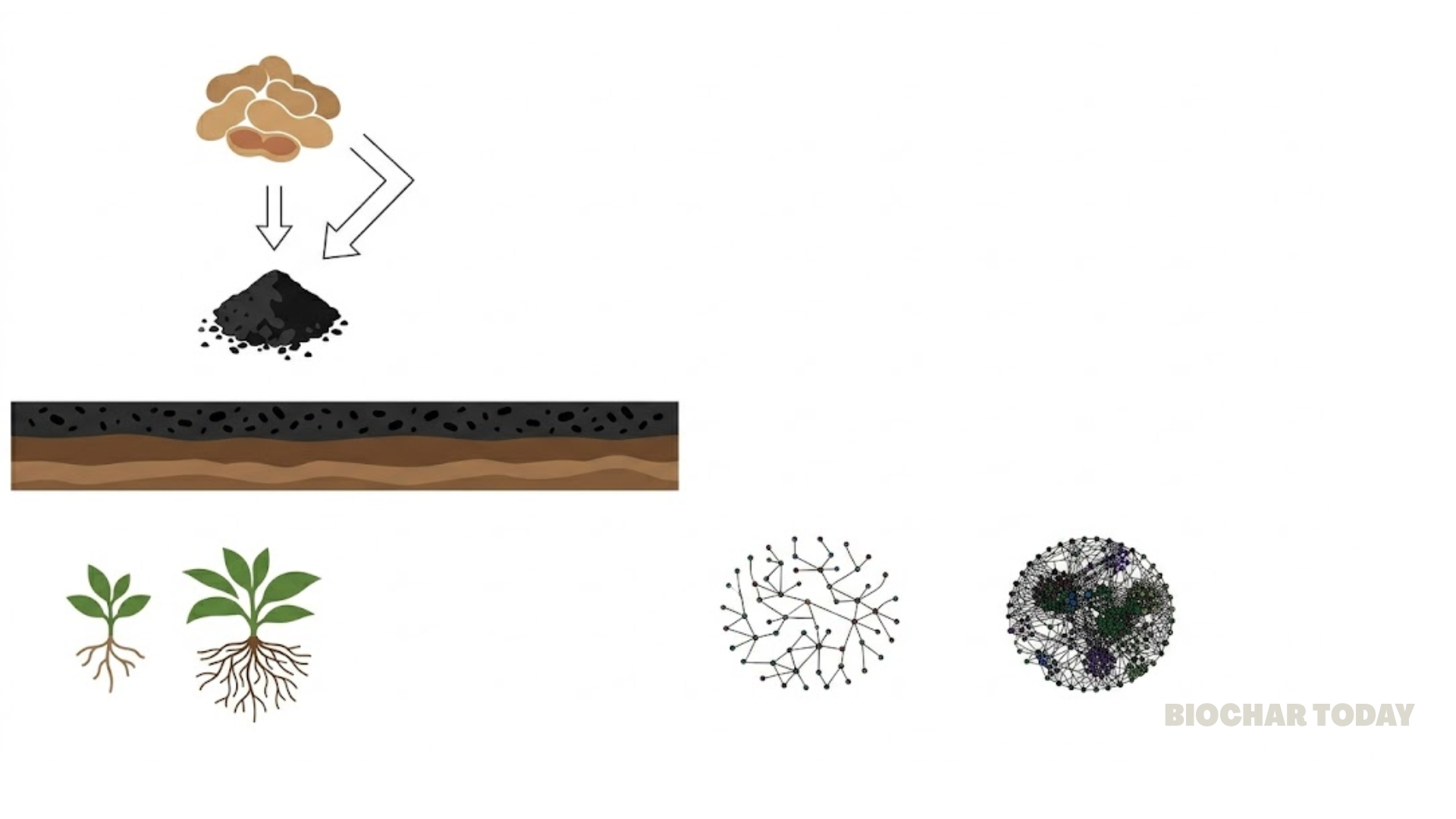
Multi-Year Peanut Shell Biochar Applications at Nine Hundred Kilograms per Hectare Enhance Soil Health and Improve Bacterial Network Complexity Across Chinese Tobacco Fields
Biochar for a Sustainable Future: Environmentally Friendly Production and Diverse Applications
Combining Ten Tons of Biochar with Microbes Boosts Faba Bean Yield by Seventy-Four Percent
Biochar Markets Must Decouple Long-Term Carbon Stability from Soil Fertility Benefits to Ensure Environmental Credibility
High-Temperature Biochar Exceeding 700°C Maximizes Carbon Stability for 1,000 Years While Low-Temperature Variants Between 350°C and 500°C Optimize Soil Co-Benefits
The Hard Truth About Biochar: Why Commercialization Isn’t Catching Fire
Previous Page
1
2
3
4
…
31
Next Page
Loading Comments...
Write a Comment...
Email (Required)
Name (Required)
Website