
Key Takeaways
- Coffee waste can be turned into a high-quality insulation material that performs as well as common plastic foam.
- This new material is completely biodegradable, meaning it can break down naturally without harming the environment.
- Using coffee grounds for insulation helps reduce the carbon footprint of landfills and supports a circular economy.
- The material is made from safe, natural ingredients and is free from the toxic chemicals found in traditional petroleum-based products.
- It can be used in buildings and solar power systems to keep temperatures stable and save energy.
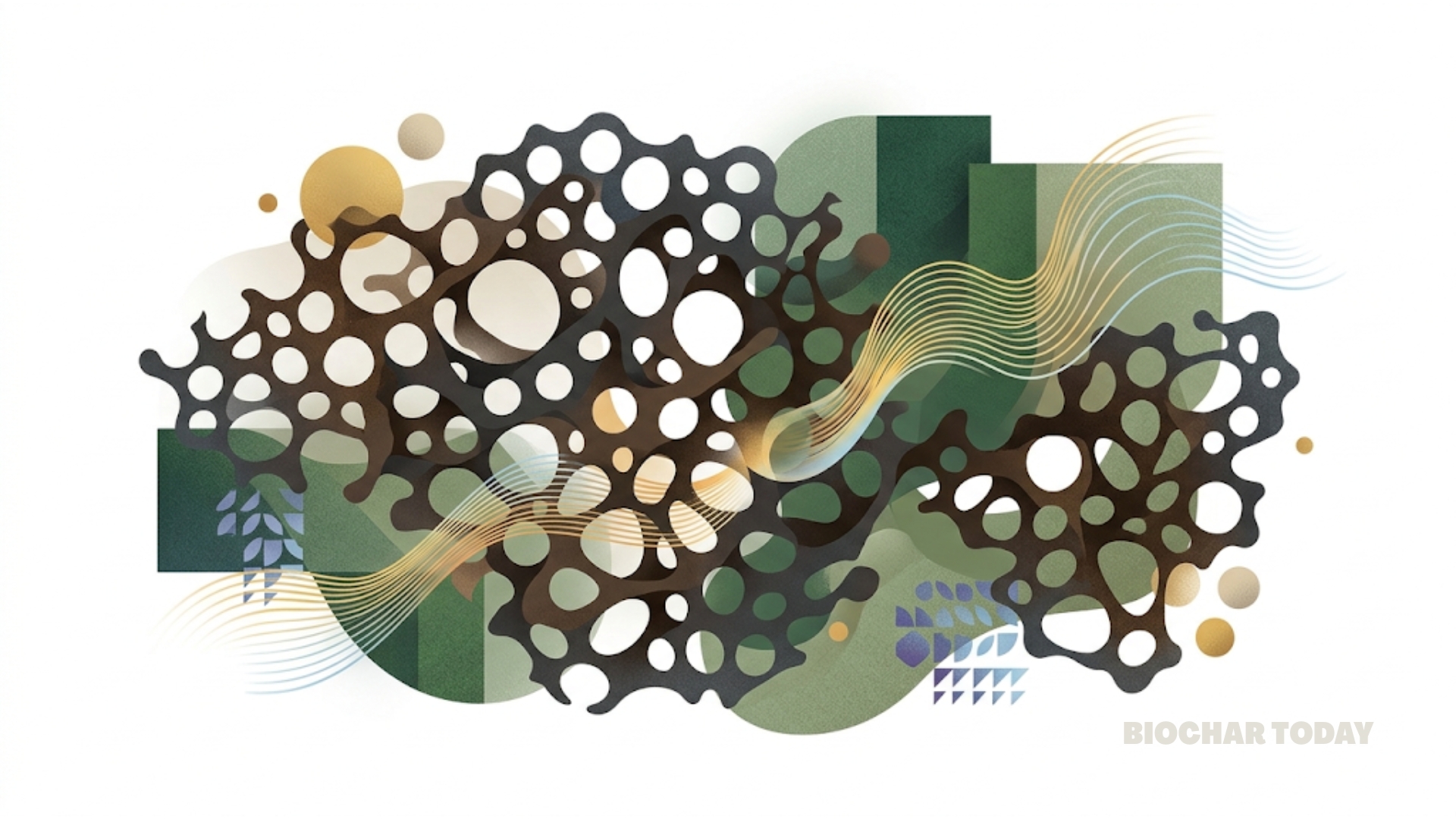
In a recent study published in the journal BiocharBiochar is a carbon-rich material created from biomass decomposition in low-oxygen conditions. It has important applications in environmental remediation, soil improvement, agriculture, carbon sequestration, energy storage, and sustainable materials, promoting efficiency and reducing waste in various contexts while addressing climate change challenges. More, researchers Sung Jin Kim and Seong Yun Kim detailed a breakthrough in the development of sustainable thermal insulation. Every year, approximately eight million tons of spent coffee grounds are generated globally, with ninety percent of coffee beans ending up as waste. Instead of allowing this biomassBiomass is a complex biological organic or non-organic solid product derived from living or recently living organism and available naturally. Various types of wastes such as animal manure, waste paper, sludge and many industrial wastes are also treated as biomass because like natural biomass these More to release carbon dioxide in landfills or consuming massive amounts of energy through high-temperature incineration, the team developed a way to transform this waste into a high-value thermal insulator. Traditional insulation materials like expanded polystyrene are favored for their low cost and performance, but they pose significant environmental threats because they are made from fossil fuels and do not biodegrade. The new coffee-based biochar composite offers a “fully green” alternative that matches the performance of these petroleum products while remaining compatible with a sustainable, circular economy.
The central finding of the research is that a composite made from coffee ground biochar and a natural polymer can achieve a thermal conductivity of 0.04 watts per meter-kelvin. In the world of insulation, a lower number indicates a better ability to block heat, and this specific value is significant because it is identical to that of commercial expanded polystyrene. To achieve this, the researchers optimized a carbonization process at 700 degrees Celsius in a standard atmosphere. This specific temperature was found to be the “sweet spot” for the material. It maximized the porosityPorosity of biochar is a key factor in its effectiveness as a soil amendment and its ability to retain water and nutrients. Biochar’s porosity is influenced by feedstock type and pyrolysis temperature, and it plays a crucial role in microbial activity and overall soil health. Biochar More of the biochar to seventy-one percent, creating millions of tiny air pockets that act as barriers to heat flow. While higher temperatures can increase the number of microscopic pores, they also make the carbon structure more like graphite, which actually allows heat to pass through more easily. By stopping at 700 degrees, the scientists ensured the material remained a superior insulator.
A major challenge in creating these types of materials is preventing the liquid plastic matrix from filling up the tiny pores of the biochar during manufacturing. If the pores are filled with solid material, the insulation loses its effectiveness. The team solved this by pre-mixing the coffee biochar with propylene glycol, an environmentally friendly solvent. This solvent acted as a temporary shield, keeping the pores open until the material was formed and then evaporating away. This “pore restoration” technique proved to be highly effective, as confirmed by advanced 3D scans that showed the internal air pockets remained intact throughout the composite. The resulting material utilized naturally derived ethyl cellulose as the binder, ensuring that every component of the final product was bio-based and sustainable.
Beyond its ability to block heat, the coffee-based insulation demonstrated remarkable biodegradability. When tested with natural enzymes, the biochar composite actually broke down faster than pure natural cellulose. This occurs because the interface between the coffee biochar and the polymer matrix allows water and enzymes to penetrate the material more easily, accelerating the natural decomposition process. After just three weeks of exposure, the material showed significant weight loss, proving that it can be disposed of safely at the end of its life cycle without leaving behind microplastics or toxic residues. This stands in stark contrast to traditional foam insulation, which can persist in the environment for centuries.
The researchers also demonstrated a practical application for the material in solar energy systems. In building-integrated photovoltaic modules, heat can build up behind solar panels and seep into the house, increasing cooling costs. By placing the coffee-based insulator behind a solar cell, the researchers were able to significantly reduce the temperature inside a test chamber, performing just as well as commercial plastic foam. This suggests that the material is ready for real-world use in construction and green energy projects. By turning a massive waste stream into a high-performance, degradable product, this research provides a clear path forward for replacing harmful plastics with renewable biomass.
Source: Kim, S. J., & Kim, S. Y. (2026). Highly porous biochar from spent coffee ground for fully green thermal insulating composites with thermal conductivity of 0.04 W m-1 K-1. Biochar, 8(1), 73.


Leave a Reply