
Key Takeaways
- Researchers are developing a sustainable alternative to the black peat currently used to grow commercial mushrooms.
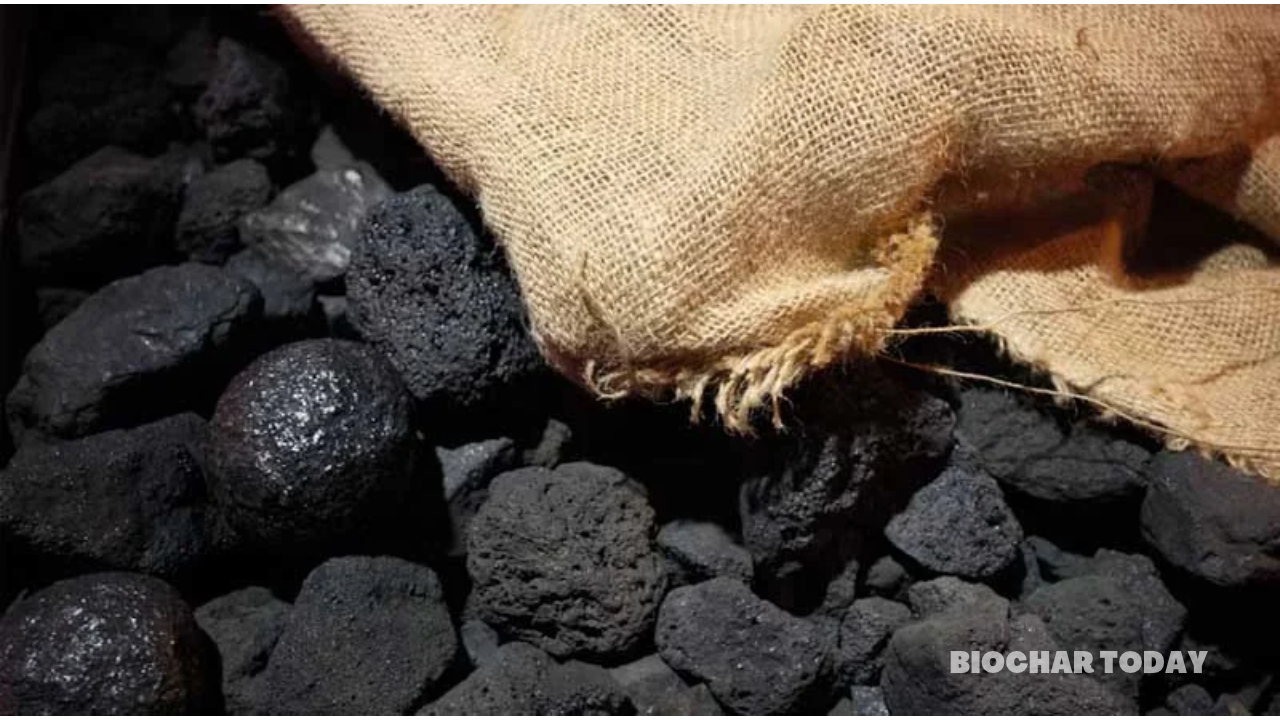
- The new growing material is made by baking plant waste from wet peatlands into biocharBiochar is a carbon-rich material created from biomass decomposition in low-oxygen conditions. It has important applications in environmental remediation, soil improvement, agriculture, carbon sequestration, energy storage, and sustainable materials, promoting efficiency and reducing waste in various contexts while addressing climate change challenges. More.
- Harvesting traditional peat damages delicate ecosystems and releases massive amounts of trapped greenhouse gases into the atmosphere.
- The project converts this plant waste using two different heating methods to find the perfect texture and nutrient mix.
- Commercial mushroom farms will test the new material to ensure it produces healthy crops while protecting the environment.
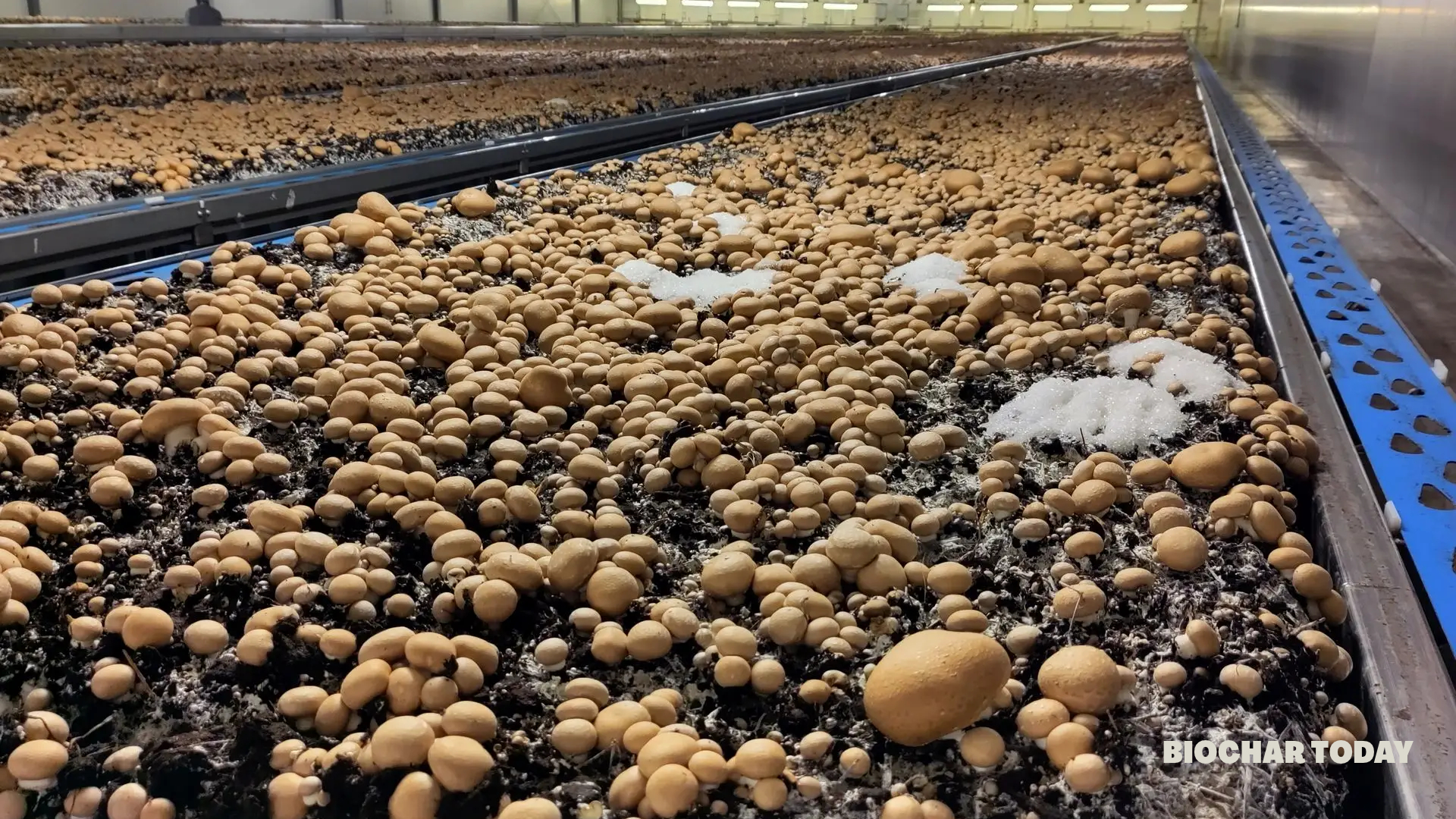
A recent research initiative at the University of Oldenburg, led by Michael Wark and coordinated by Michael Röhrdanz, is actively developing sustainable alternatives to the environmentally damaging substrates traditionally used in agricultural production. Known as the Pilzkohle project, this endeavor focuses specifically on the commercial mushroom cultivation industry, which currently relies heavily on black peat as the primary component of its growing medium. Because the mechanical extraction of peat leads to severe ecological consequences, including the destruction of natural wetland biodiversity and the release of sequestered greenhouse gases like carbon dioxide, the agricultural sector faces increasing pressure to transition toward sustainable practices. In direct response to the German government’s national peat reduction strategy, the researchers are investigating how biochar derived from sustainable peatland agriculture can completely replace peat in commercial operations.
The foundational material for this innovative substrate is biomassBiomass is a complex biological organic or non-organic solid product derived from living or recently living organism and available naturally. Various types of wastes such as animal manure, waste paper, sludge and many industrial wastes are also treated as biomass because like natural biomass these More generated through paludiculture, which involves the productive agricultural use of wet or rewetted peatlands. Rather than draining these vital ecosystems for conventional farming, paludiculture preserves the high water table while allowing for the harvest of specific plant species. The project utilizes this regional plant waste to create a localized circular economy, converting the raw biomass into highly porous biochar. This approach not only provides a continuous source of raw materials for substrate production but also ensures that the peatlands remain intact, thereby preventing the massive carbon dioxide emissions associated with traditional peat harvesting.
To optimize the physical and chemical properties of the resulting biochar, the research team is employing two distinct thermal conversion methodologies: standard pyrolysisPyrolysis is a thermochemical process that converts waste biomass into bio-char, bio-oil, and pyro-gas. It offers significant advantages in waste valorization, turning low-value materials into economically valuable resources. Its versatility allows for tailored products based on operational conditions, presenting itself as a cost-effective and efficient More and hydrothermal carbonization. These processes apply heat to the biomass in oxygen-deprived environments, preventing combustion and instead driving off volatile compounds to leave behind a stable, carbon-rich skeleton. Hydrothermal carbonization is particularly well-suited for wet biomass, utilizing elevated pressure and lower temperatures in a water-based environment to produce a unique carbon structure. By experimenting with both techniques, the researchers can generate chemically untreated biochar in various coarse and fine grades, allowing them to tailor the material’s water retention capacity, porosityPorosity of biochar is a key factor in its effectiveness as a soil amendment and its ability to retain water and nutrients. Biochar’s porosity is influenced by feedstock type and pyrolysis temperature, and it plays a crucial role in microbial activity and overall soil health. Biochar More, and structural stability to meet the specific biological demands of fungal growth.
Following the production phase, the biochar undergoes rigorous chemical and physical analyses in the university laboratories to quantify its substrate potential. The researchers then utilize the most promising formulations as a topsoil equivalent in controlled, laboratory-scale cultivation trials focusing on oyster mushrooms. These initial experiments test the biochar both as an isolated, standalone growing medium and as part of complex mixtures blended with varying proportions of traditional compost. By carefully monitoring the fruiting bodies’ development, yield, and overall health in these controlled environments, the team can determine exactly how effectively the paludiculture-derived biochar mimics the beneficial properties of black peat without its associated environmental drawbacks.
Once the optimal substrate mixtures are identified in the laboratory, the project will scale up to real-world commercial testing. Working in close collaboration with industry partners Pilzland and Griendsveen, the researchers will deploy the biochar formulations in industrial-scale button mushroom cultivation facilities. This critical phase will evaluate how the novel substrates perform under standard commercial pressures, assessing factors such as operational integration, crop consistency, and resistance to competing biological contaminants. The ability to successfully cultivate button mushrooms on a massive scale using a peat-free medium would represent a monumental shift in the industry’s supply chain and environmental footprint.
Beyond the purely biochemical and agricultural metrics, the project incorporates comprehensive socio-economic analyses. The project partners are actively investigating how mushroom producers, commercial distributors, and end consumers respond to products grown on these novel peat alternatives. This economic modeling is essential for identifying potential market barriers and determining the long-term financial viability of the transition. By evaluating the entire value chain from the paludiculture harvest to the supermarket shelf, the researchers aim to demonstrate that sustainable, regional circular economies can be both ecologically restorative and economically competitive.
Scheduled to run through June 2028, the project represents a highly coordinated effort to align modern agricultural practices with urgent global climate goals. Supported by funding from the European Social Fund Plus and the European Regional Development Fund, this initiative exemplifies how targeted scientific intervention can resolve deep-rooted environmental challenges. If successful, the widespread adoption of paludiculture biochar could permanently eliminate the mushroom industry’s reliance on extracted peat, preserving vulnerable wetland ecosystems while establishing a new standard for sustainable food production across Europe and beyond.
Source: University of Oldenburg. (2026). Project PIKO. Carl von Ossietzky Universität Oldenburg. https://uol.de/en/piko



Leave a Reply