
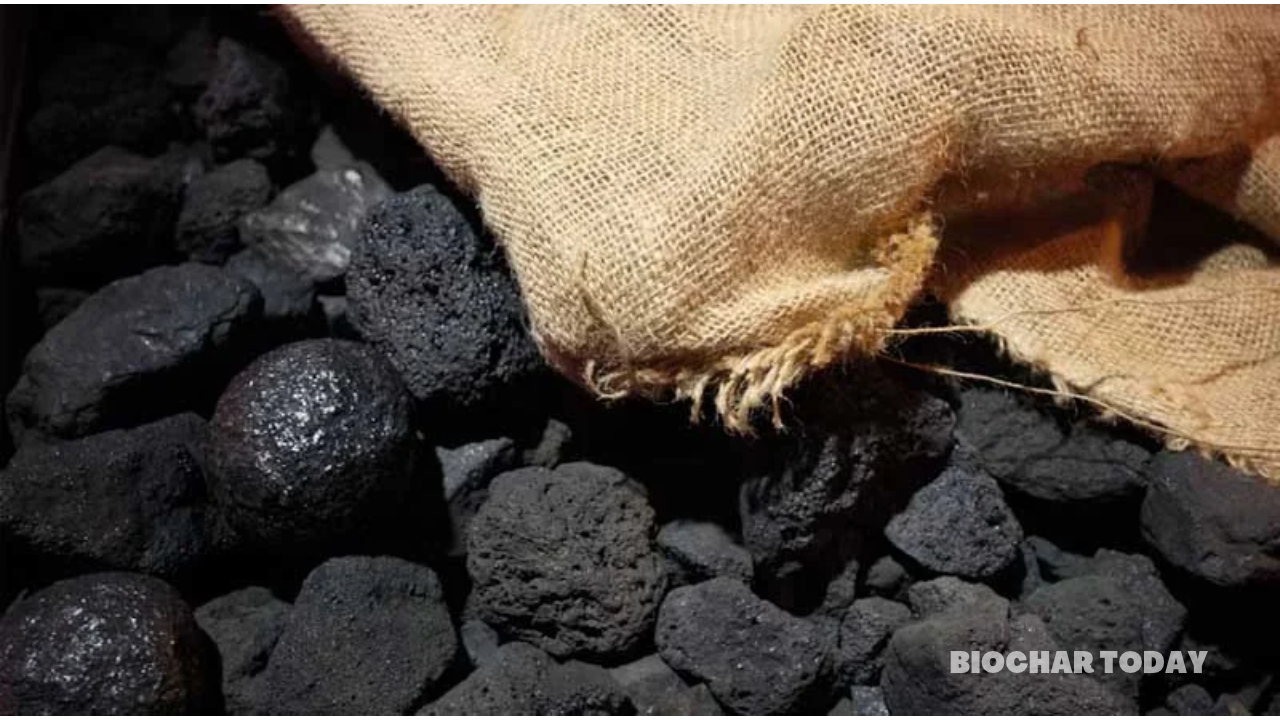
A recent initiative at the University of Waterloo in Canada demonstrates the transition of academic climate science into commercial enterprise. Hannah Rebekah Epstein, a doctoral candidate in the Faculty of Environment, founded Grand River BiocharBiochar is a carbon-rich material created from biomass decomposition in low-oxygen conditions. It has important applications in environmental remediation, soil improvement, agriculture, carbon sequestration, energy storage, and sustainable materials, promoting efficiency and reducing waste in various contexts while addressing climate change challenges. More to transition from researching carbon dioxide removal to actively building a commercial operation. Through the university’s entrepreneurial ecosystem, specifically the Velocity incubator, Epstein is leveraging institutional support to develop a business model focused on organic waste conversion. This development highlights the role of university-backed incubators in facilitating the commercialization of durable carbon removal methods within the agricultural and environmental sectors.
The primary challenge addressed is the translation of theoretical climate intervention models into tangible, scalable carbon removal operations. While academic research effectively identifies necessary mechanisms for national carbon reduction portfolios in Canada, moving these concepts beyond policy advice requires overcoming significant commercial hurdles. Researchers often lack the business acumen, network access, and market validation required to deploy their findings. Without structured pathways to test assumptions and engage with potential customers, viable carbon removal methods remain confined to academic theory rather than functioning as active market solutions.
To bridge this gap, Epstein utilized the University of Waterloo’s Velocity programs, including the Cornerstone entrepreneurial sprint. This ecosystem provided the necessary infrastructure, mentorship, and training to shift from academic analysis to venture creation. Focusing on biochar as a verified, durable carbon removal method that offers regenerative soil benefits, Epstein established Grand River Biochar. The solution involved testing market assumptions, engaging directly with potential end-users, and refining a business strategy aimed at producing value from plant waste. The incubator structure supplied a formalized mechanism to align scientific research with commercial demands.
As a result of this structured support, Grand River Biochar successfully advanced its commercialization strategy and secured third place at the 2026 Velocity Pitch Competition. The venture attracted active interest from climate technology investors, validating the market demand for the proposed business model. By integrating scientific research with entrepreneurial execution, the initiative established a pathway to accelerate actual carbon removal operations ahead of standard academic timelines. The ongoing development of Grand River Biochar illustrates how targeted institutional ecosystems successfully convert scientific research into actionable economic and environmental value.



Leave a Reply