
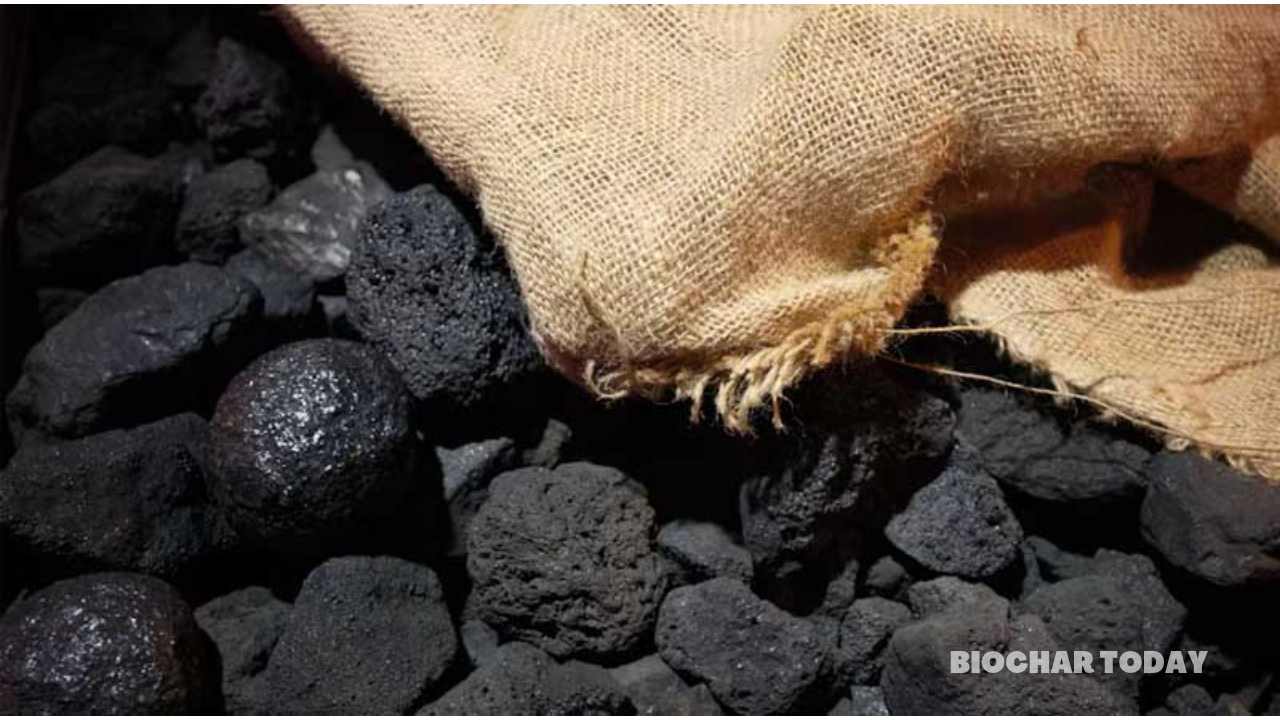
Researchers from the Kunpeng Institute of Modern Agriculture, City University of Hong Kong, and Guangxi University have published new findings on the application of herbal waste-derived biocharBiochar is a carbon-rich material created from biomass decomposition in low-oxygen conditions. It has important applications in environmental remediation, soil improvement, agriculture, carbon sequestration, energy storage, and sustainable materials, promoting efficiency and reducing waste in various contexts while addressing climate change challenges. More for soil remediation in China. The collaborative study, published in the journal Carbon Research, demonstrates that converting leftover plant material from traditional Chinese medicine processing into a soil amendmentA soil amendment is any material added to the soil to enhance its physical or chemical properties, improving its suitability for plant growth. Biochar is considered a soil amendment as it can improve soil structure, water retention, nutrient availability, and microbial activity. More significantly decreases the transfer of cadmium from contaminated soils into food crops. The research outlines a dual-purpose agricultural strategy that mitigates heavy metal pollution while effectively managing industrial botanical waste.
Cadmium contamination presents a persistent agricultural challenge across various regions of China, stemming from historical mining operations, industrial activities, and the prolonged application of specific fertilizers. Because cadmium is readily absorbed by crops, particularly in acidic environments, it accumulates in edible plant tissues and creates fundamental food safety concerns. Concurrently, the traditional Chinese medicine industry generates massive volumes of plant residue. Following the extraction of active medicinal compounds, this organic waste is typically burned, consigned to landfills, or left to decompose, presenting an ongoing logistical and environmental disposal problem.
To address these overlapping issues, the research team engineered a tailored soil amendment utilizing Houttuynia cordata, an herb widely processed in Chinese medicine. Following a comprehensive meta-analysis of existing literature, the scientists tested various pyrolysis conditionsThe conditions under which pyrolysis takes place, such as temperature, heating rate, and residence time, can significantly affect the properties of the biochar produced. More to optimize the material’s heavy metal binding capacity. The most effective formulation was produced by heating the herbal residue at 450 degrees Celsius for three and a half hours. This optimized amendment was subsequently applied to acidic, cadmium-spiked soil at a 2 percent concentration rate for controlled pot experiments involving lettuce and dandelion crops.
The application of this specialized herbal waste biochar produced substantial reductions in heavy metal transfer. In the lettuce trials, cadmium accumulation within the plant tissue decreased by 52.3 percent, while available cadmium in the surrounding soil dropped by 17.6 percent compared to untreated controls. The dandelion trials recorded a reduction in cadmium accumulation ranging between 42.9 and 68.6 percent. Adsorption kinetics tests indicated that the material physically and chemically binds cadmium ions, preventing root absorption. This methodology provides processors with a viable waste disposal pathway and offers farmers an affordable remediation alternative to complete topsoil replacement.



Leave a Reply