

Researchers at the University of Florida, organized under the Beneficial Reuse of Wastewater and Solids (BREWS) initiative, are spearheading a comprehensive effort to address the complexities of wastewater management. This interdisciplinary cohort, coordinated by the UF Water Institute, brings together experts from fields ranging from biogeochemistry to economics to develop strategies for the safe and sustainable reuse of reclaimed water and biosolids. By integrating diverse scientific perspectives, the team aims to convert waste products into valuable resources while ensuring environmental safety in the United States.
The primary challenge driving this research is the persistence of contaminants in treated wastewater and biosolids. Despite rigorous treatment processes, substances such as nitrogen, phosphorus, heavy metals, and per- and polyfluoroalkyl substances (PFAS) often remain. These “forever chemicals” are particularly problematic due to their chemical stability and potential adverse health risks. The accumulation of these materials poses significant disposal challenges and environmental threats, including harmful algal blooms and aquatic toxicity, creating barriers to their safe application in agriculture and landscaping.
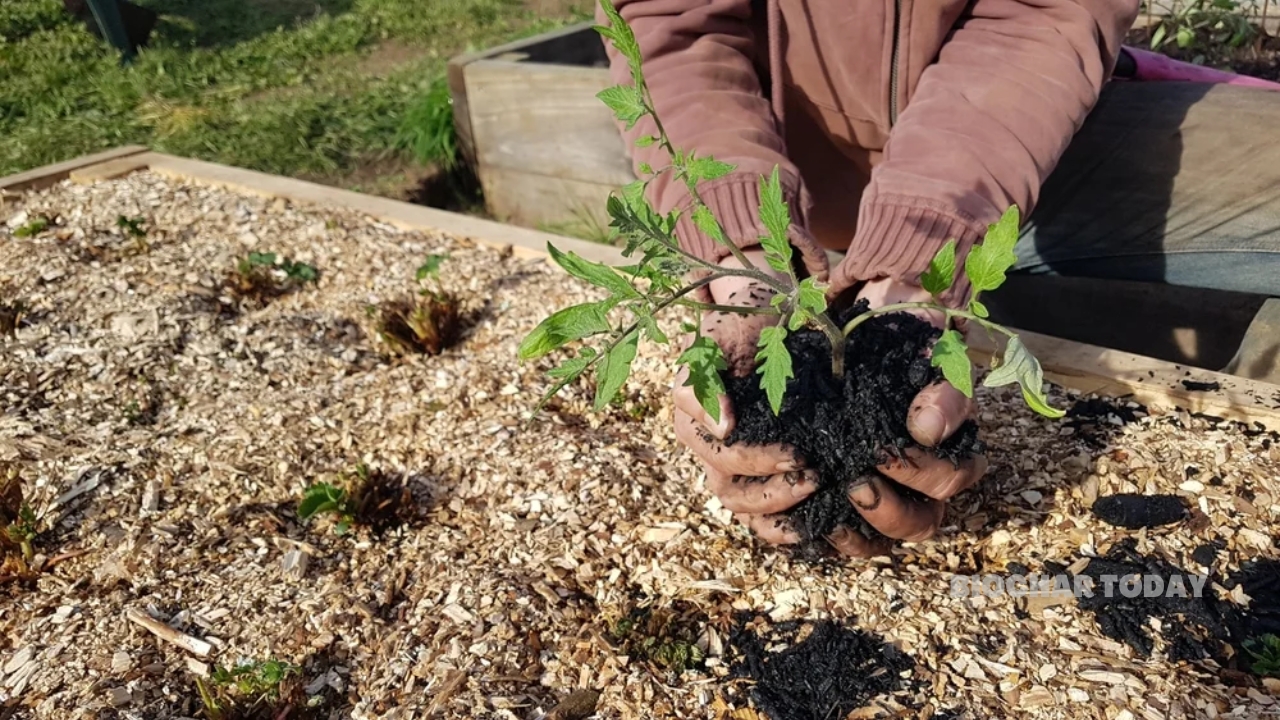
To mitigate these risks, the BREWS team is investigating the application of biocharBiochar is a carbon-rich material created from biomass decomposition in low-oxygen conditions. It has important applications in environmental remediation, soil improvement, agriculture, carbon sequestration, energy storage, and sustainable materials, promoting efficiency and reducing waste in various contexts while addressing climate change challenges. More as a remediation tool. Dr. Andrew Zimmerman and Dr. Katherine Deliz are leading research into co-applying biochar with biosolids. They propose that biochar’s highly porous structure can absorb PFAS and heavy metals, effectively immobilizing them. Furthermore, the team is testing advanced methods such as pyrolysisPyrolysis is a thermochemical process that converts waste biomass into bio-char, bio-oil, and pyro-gas. It offers significant advantages in waste valorization, turning low-value materials into economically valuable resources. Its versatility allows for tailored products based on operational conditions, presenting itself as a cost-effective and efficient More and mechanochemical degradation to transform biosolids into safe soil amendments. The working hypothesis is that biochar not only sequesters carbon but also provides a surface for microbes that may degrade adsorbed PFAS over time.
The anticipated outcomes of this initiative suggest a potential shift toward a circular economy where wastewater facilities function as resource recovery centers. Early outlooks on the breakdown of biochar-adsorbed PFAS are positive, driven by the electron-conducting properties of the material. If successful, this approach could lower fertilizer costs, improve soil health, and protect water quality. For the biochar sector, this underscores the value of integrating pyrogenic carbon applications with municipal waste streams to solve large-scale environmental challenges through rigorous, interdisciplinary collaboration.
Feature image by Dylan Barr



Leave a Reply