

The Environmental Protection Agency (EPA) has awarded nearly $1.9 million to a research team at the University of Arkansas to investigate the integration of biocharBiochar is a carbon-rich material created from biomass decomposition in low-oxygen conditions. It has important applications in environmental remediation, soil improvement, agriculture, carbon sequestration, energy storage, and sustainable materials, promoting efficiency and reducing waste in various contexts while addressing climate change challenges. More into poultry litter management. Led by Assistant Professor Shannon Speir, the three-year study examines the capacity of biochar to stabilize nutrients within animal waste used as fertilizer. The project includes laboratory experimentation, edge-of-field monitoring at a “Discovery Farm,” and watershed-scale analysis within the United States. By transforming poultry litter into a more stable resource, the researchers aim to demonstrate a scalable model for sustainable waste management in major agricultural regions.
A significant challenge in the American poultry industry, particularly in top-producing states like Arkansas, is the environmental impact of nutrient runoff. Poultry litter is commonly recycled as a soil amendmentA soil amendment is any material added to the soil to enhance its physical or chemical properties, improving its suitability for plant growth. Biochar is considered a soil amendment as it can improve soil structure, water retention, nutrient availability, and microbial activity. More; however, the nitrogen and phosphorus it contains often leach into local waterways during rain events. This nutrient loading leads to eutrophication, causing harmful algal blooms, oxygen depletion, and a subsequent loss of aquatic biodiversity. As agricultural intensity increases, traditional waste disposal methods struggle to protect regional water tables and downstream ecosystems from these non-point source pollutants.
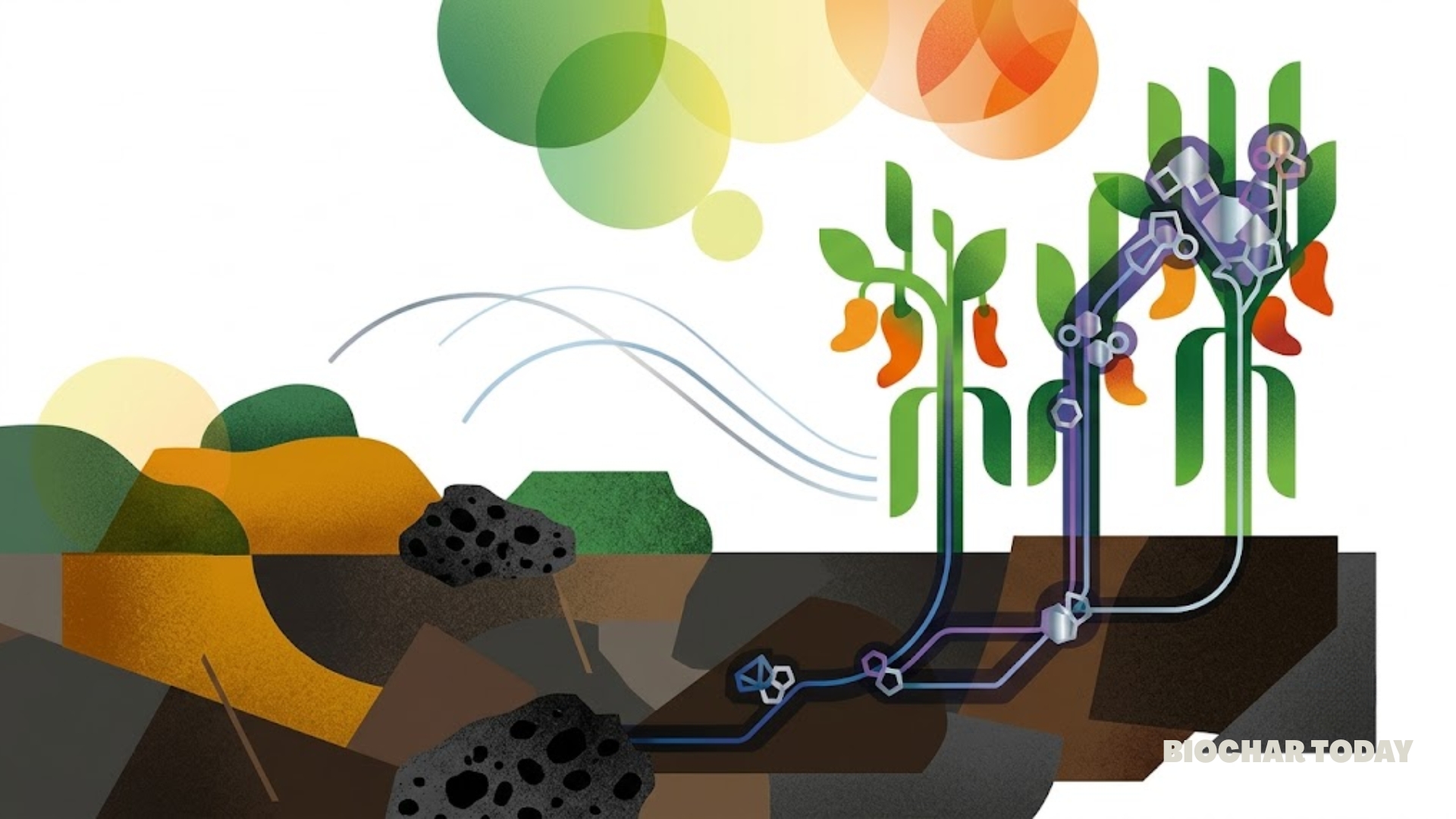
The proposed solution involves amending poultry litter with biochar to improve nutrient retention and soil structure. Biochar’s high adsorption capacity allows it to bind nitrates and phosphates, preventing them from being washed away. The research will proceed in phases: initial laboratory assessments will determine optimal mixing ratios, followed by field trials in the Brush Creek watershed. Using edge-of-field monitoring, the team will compare treated fields against controls to quantify reductions in nutrient export. This technical approach seeks to turn a problematic waste stream into a functional tool for environmental conservation.
Anticipated outcomes of the study include a 15% to 25% reduction in nitrate loss and a 5% to 10% reduction in phosphorus loss from agricultural lands. Beyond technical metrics, the project aims to establish best practices for voluntary conservation and “farmer-to-farmer” training to accelerate the adoption of biochar. By linking field-level applications to measurable improvements in the Beaver Lake watershed, the University of Arkansas and its partners—including the Beaver Watershed Alliance and the Carbon Chicken Project—expect to provide a validated framework for protecting public drinking water resources through biochar technology.



Leave a Reply