
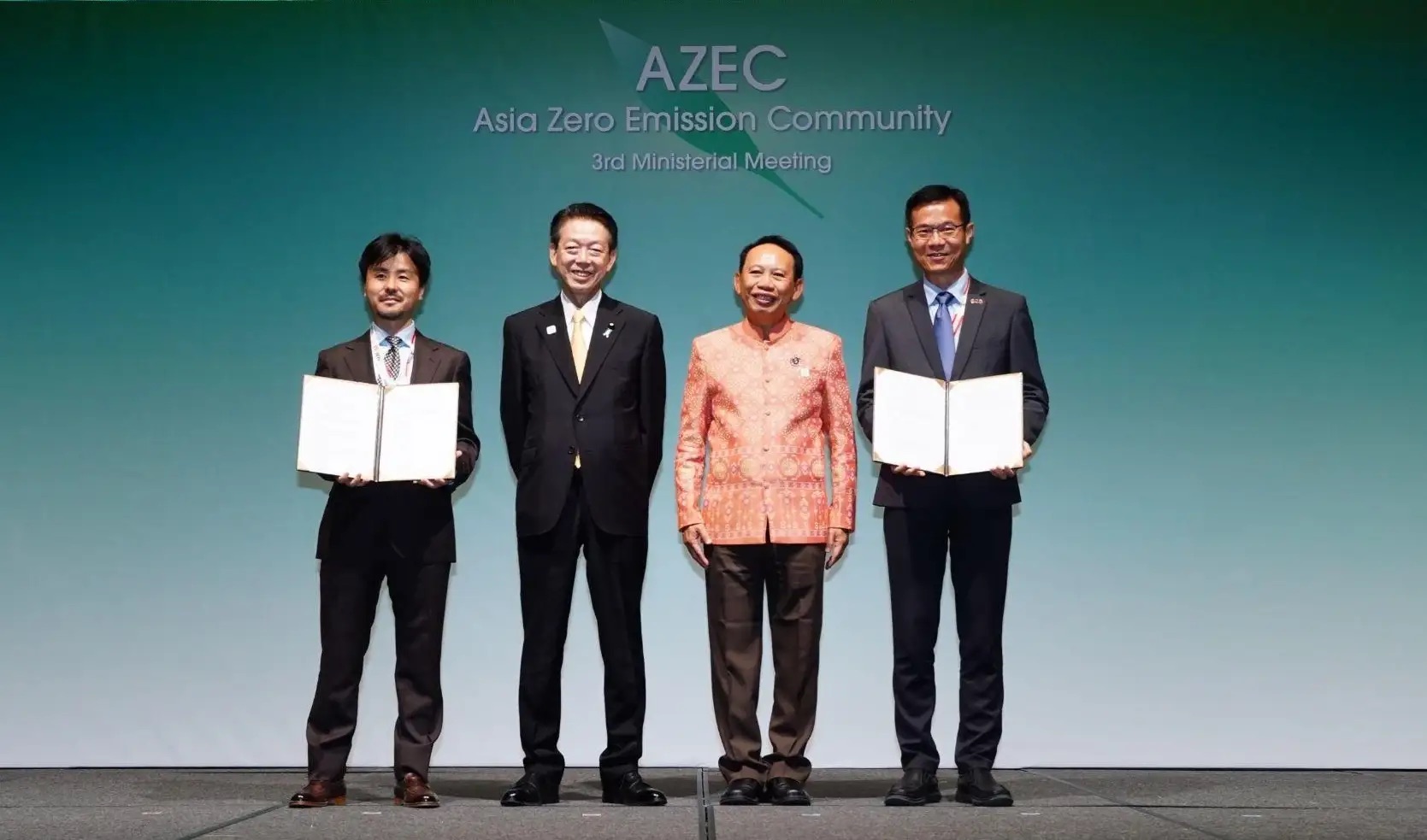
In October 2025, Japanese green-tech startup TOWING Co., Ltd. and Thai conglomerate SCG Cement Company Limited signed a Memorandum of Understanding (MoU) to integrate TOWING’s microbial technology into SCG Cement’s biocharBiochar is a carbon-rich material created from biomass decomposition in low-oxygen conditions. It has important applications in environmental remediation, soil improvement, agriculture, carbon sequestration, energy storage, and sustainable materials, promoting efficiency and reducing waste in various contexts while addressing climate change challenges. More production. Announced at the Asia Zero Emission Community (AZEC) event in Kuala Lumpur, this strategic partnership aims to localize the production of high-function biochar. The collaboration seeks to bolster Thailand’s agricultural supply chain by combining industrial-scale biochar manufacturing with advanced microbial inoculation.
The primary challenge addressed by this partnership is the widespread soil degradation in Thailand resulting from decades of intensive farming. While Thailand remains a global agricultural powerhouse, the decline in soil health threatens long-term productivity and economic stability. Furthermore, the reliance on chemical fertilizers contributes to higher operational costs and environmental footprints. While SCG Cement has already been utilizing agricultural residues to produce biochar, standard biochar alone often requires additional optimization to provide immediate, high-value soil restoration benefits at scale.
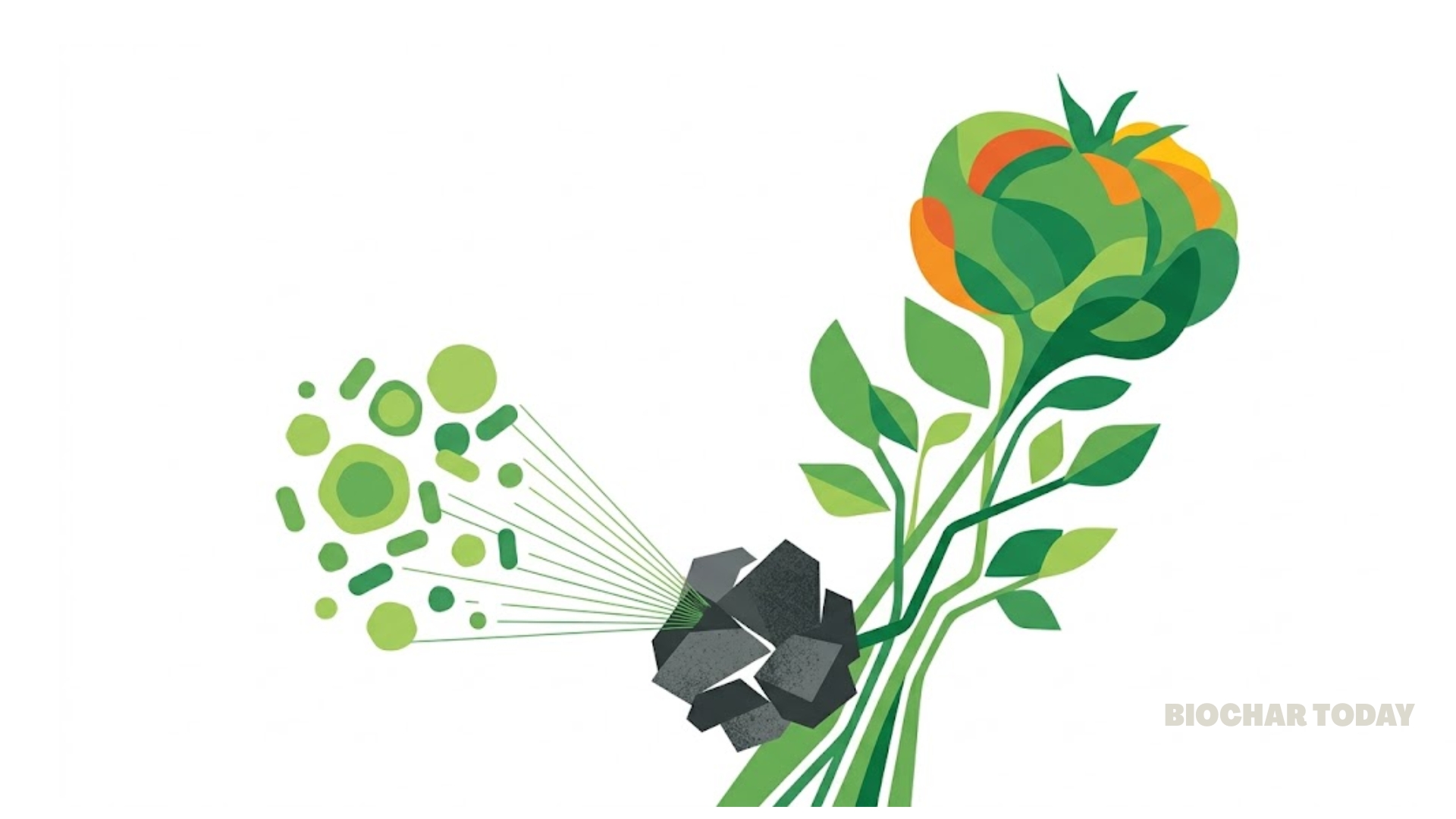
To resolve these issues, the companies are implementing TOWING’s proprietary “SORATAN” technology—a high-function biochar that serves as a host for a consortium of beneficial microorganisms. By incorporating these microbes into biochar produced at SCG Cement’s facilities, the partnership transforms a byproduct into a sophisticated soil amendmentA soil amendment is any material added to the soil to enhance its physical or chemical properties, improving its suitability for plant growth. Biochar is considered a soil amendment as it can improve soil structure, water retention, nutrient availability, and microbial activity. More. The technical solution involves the construction of a microbial cultivation facility adjacent to SCG Cement’s plant in Saraburi Province. This co-location strategy minimizes logistics costs and allows for an integrated quality control system for the mass production of inoculated biochar.
The expected outcomes of this partnership include the establishment of a sustainable, low-carbon agricultural model that reduces dependence on chemical fertilizers. Early-stage field trials are already underway across various Thai farms to validate the efficacy of the microbial biochar in improving crop yields and sequestering carbon. Beyond agricultural productivity, the project aims to enhance Thailand’s competitiveness in the green economy by creating a high-value export of sustainable technology.



Leave a Reply