

In a study published in Results in Engineering, Fiore et al., explored the optimization of biomethane production and plant growth using biochar-enhanced anaerobic co-digestion (AcD) of food waste (FW) and cow manure. The research highlights the dual benefits of this approach: enhanced waste management and the generation of biogas, a renewable energy source, alongside nutrient-rich digestates for fertilizer.
Food waste presents a significant environmental and economic challenge, contributing substantially to greenhouse gas emissions. Anaerobic digestion offers a sustainable solution by converting this waste into biogas and valuable digestates.
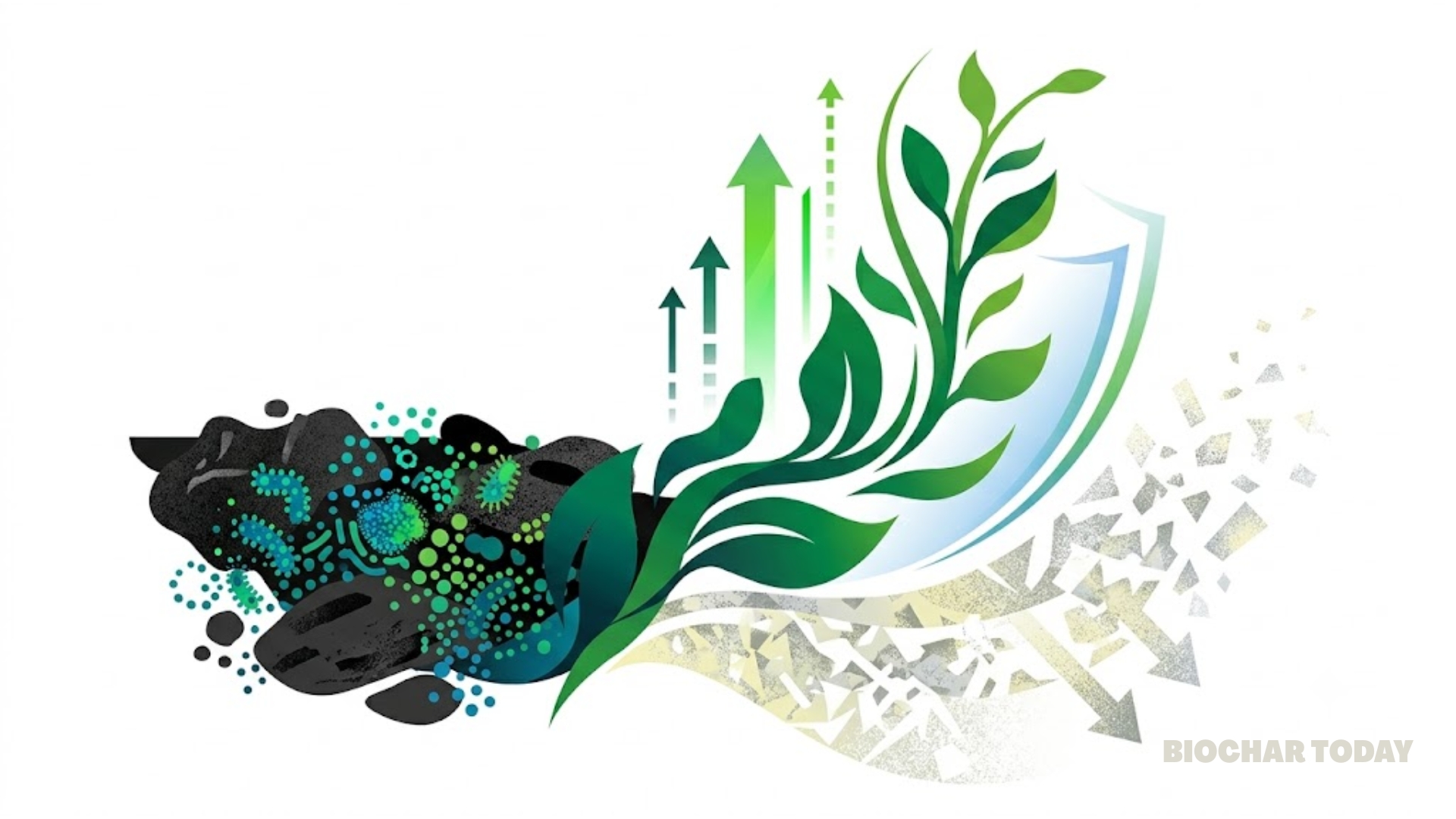
In this study, the authors explored a circular model where digestate from anaerobic digestion of organic municipal solid waste is used to enhance the anaerobic co-digestion of food waste and cow manure. The key finding is that thermophilic AcD with biocharBiochar is a carbon-rich material created from biomass decomposition in low-oxygen conditions. It has important applications in environmental remediation, soil improvement, agriculture, carbon sequestration, energy storage, and sustainable materials, promoting efficiency and reducing waste in various contexts while addressing climate change challenges. More significantly increased biogas yield by 25% compared to AcD without biochar. The digestates from thermophilic AcD also improved biomassBiomass is a complex biological organic or non-organic solid product derived from living or recently living organism and available naturally. Various types of wastes such as animal manure, waste paper, sludge and many industrial wastes are also treated as biomass because like natural biomass these More accumulation in plants by 20% and chlorophyll content by 10%.
SOURCE: Fiore, M., Demichelis, F., Deorsola, F. A., Fino, D., Saracco, G., Pugliese, M., & Tommasi, T. (2025). Optimizing biomethane production and plants growth with biochar-enhanced anaerobic digestion. Results in Engineering, 17, 104883.



Leave a Reply