
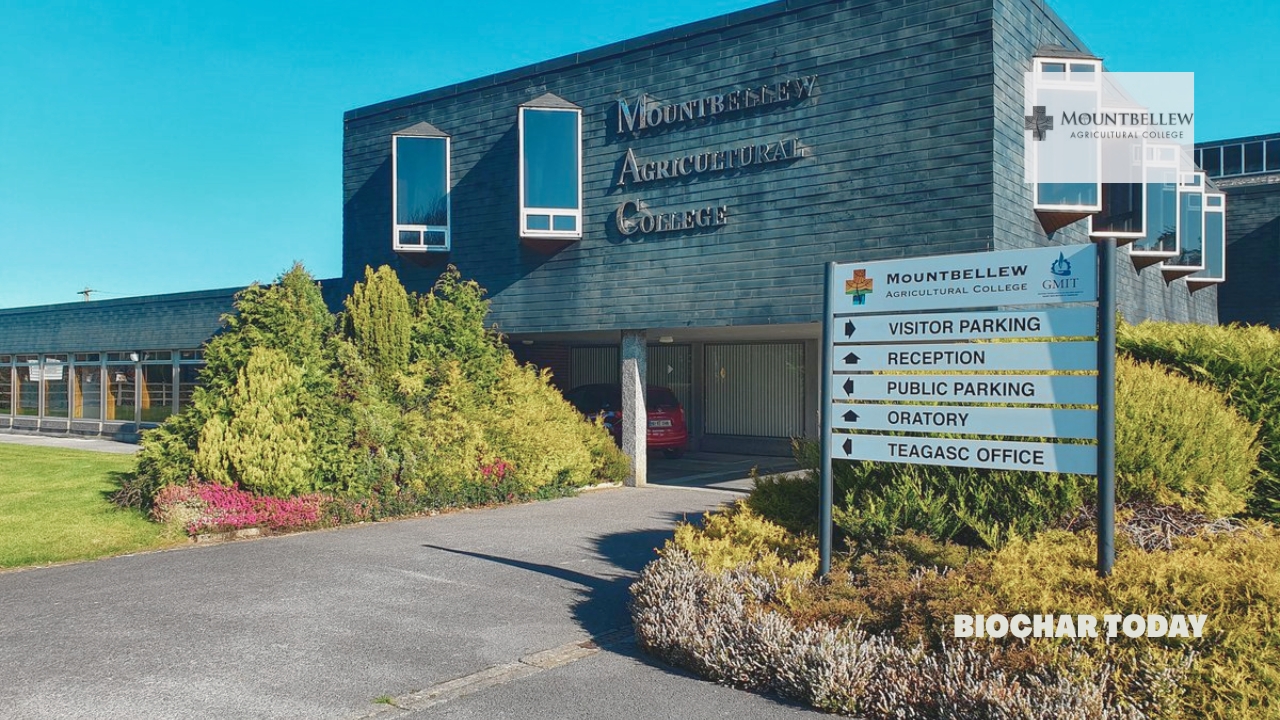
Minister Seán Canney has announced the allocation of €10 million under the EU Just Transition Fund for two major bioeconomy demonstration projects in Ireland, with the “BIOCHAR” project receiving €5 million to scale regional carbon-cycle solutions. Led by the University of Limerick, the initiative includes a diverse consortium of partners such as Mountbellew Agricultural College, the Western Development Commission, Teagasc, and Roadstone. The funding is specifically aimed at “Designated Territories” in the Irish midlands and west, regions currently transitioning away from peat-based economies. This investment marks a significant step in establishing a formalized bioeconomy that utilizes indigenous biomassBiomass is a complex biological organic or non-organic solid product derived from living or recently living organism and available naturally. Various types of wastes such as animal manure, waste paper, sludge and many industrial wastes are also treated as biomass because like natural biomass these More to support rural development and climate goals.
The primary challenge addressed by this funding is the urgent need to decarbonize traditional agricultural and industrial sectors while maintaining the economic viability of rural communities. Ireland faces specific environmental pressures, including high ammonia emissions from poultry and livestock management, as well as the carbon intensity of traditional road construction materials. Furthermore, the transition away from fossil fuel-based industries in the midlands requires new, scalable industries that can repurpose organic waste—such as wood chips and crop residues—into high-value products without disrupting local ecosystems or labor markets.
The BIOCHARBiochar is a carbon-rich material created from biomass decomposition in low-oxygen conditions. It has important applications in environmental remediation, soil improvement, agriculture, carbon sequestration, energy storage, and sustainable materials, promoting efficiency and reducing waste in various contexts while addressing climate change challenges. More project provides a multifaceted solution by demonstrating the versatility of biochar across several critical infrastructure and agricultural domains. The consortium will conduct trials aimed at reducing ammonia emissions in poultry sheds and slurry storage, as well as enhancing biogas output in anaerobic digestion systems. Strategically, the project also integrates biochar into industrial applications, specifically by incorporating treated biochar into asphalt for road and cycle lane construction. To ensure long-term industry growth, the University of Limerick and its partners will develop a blueprint for a mid-sized biochar production facility, providing a template for future commercial investment.
The expected outcomes of this project include significant reductions in agricultural emissions and the creation of new regional industries rooted in the circular economy. By securing over €1.6 million of the total fund specifically for West of Ireland partners, the project ensures that regional stakeholders like Mountbellew Agricultural College and the Western Development Commission are central to the bioeconomy’s expansion. Successful trials in asphalt production and wastewater treatment will provide a scalable model for turning organic waste into carbon-negative infrastructure, ultimately aligning Ireland’s rural economic development with its national climate action mandates.




Leave a Reply