
In Thailand, the National Metal and Materials Technology Center (MTEC), National Science and Technology Development Agency (NSTDA), organized a workshop on BiocharBiochar is a carbon-rich material created from biomass decomposition in low-oxygen conditions. It has important applications in environmental remediation, soil improvement, agriculture, carbon sequestration, energy storage, and sustainable materials, promoting efficiency and reducing waste in various contexts while addressing climate change challenges. More and Methane Emission Assessment to share knowledge on biochar production and Carbon Mass Balance greenhouse gas emission assessment. The event gathered professionals and enthusiasts to explore key aspects of biochar production, international standards, and its application in carbon sequestration.
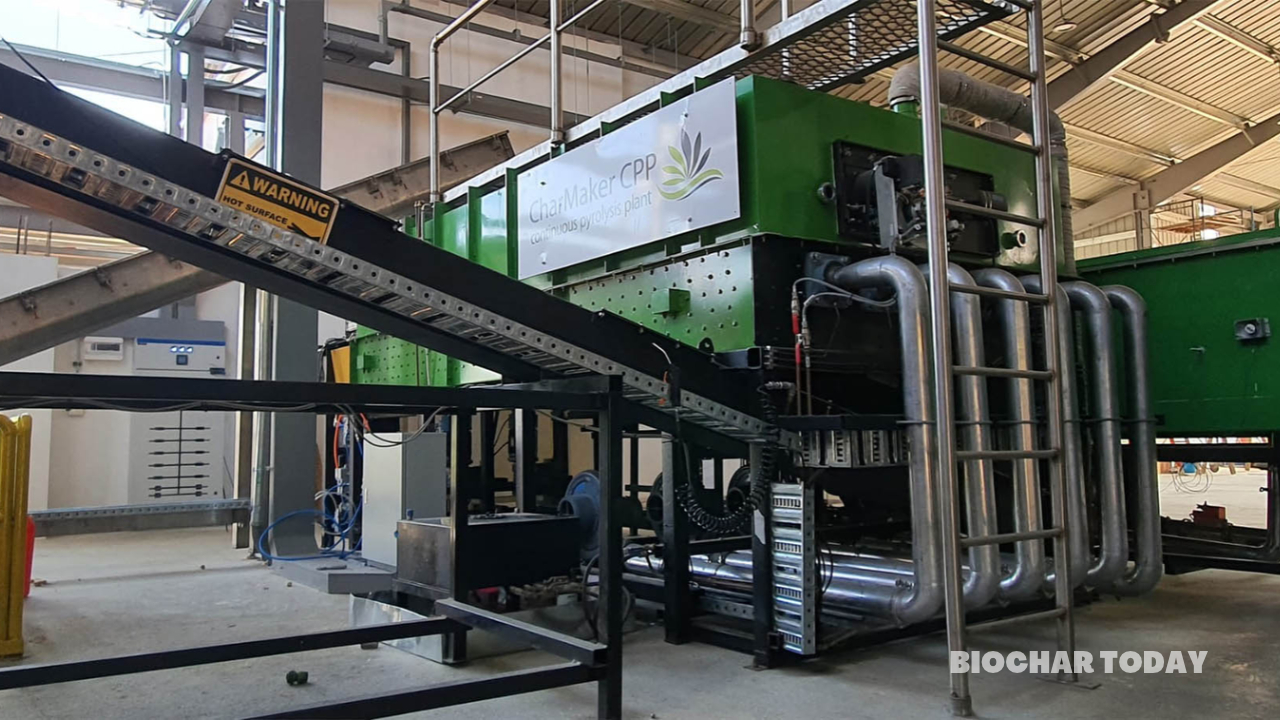
The morning session provided a comprehensive overview of the biochar production process, with a detailed examination of various pyrolysisPyrolysis is a thermochemical process that converts waste biomass into bio-char, bio-oil, and pyro-gas. It offers significant advantages in waste valorization, turning low-value materials into economically valuable resources. Its versatility allows for tailored products based on operational conditions, presenting itself as a cost-effective and efficient More technologies. Participants learned about the operational differences between types of pyrolysis units and how these differences influence the final characteristics of the biochar. Understanding this relationship is crucial for producing tailored biochar suitable for specific applications, whether in agriculture, remediation, or advanced materials. The discussion emphasized optimizing production for both quality and efficiency.
A significant portion of the training was dedicated to the World Biochar Certificate (WBC), a global standard for quality and sustainability. The session outlined the certification requirements, which ensure that biochar is produced in an environmentally responsible manner and meets stringent quality parameters. Adherence to such standards is vital for building market confidence and facilitating international trade.
Furthermore, the workshop explored the concept of biochar as a certified carbon sink. This module connected the technical aspects of production with the broader climate benefits of biochar. By converting biomassBiomass is a complex biological organic or non-organic solid product derived from living or recently living organism and available naturally. Various types of wastes such as animal manure, waste paper, sludge and many industrial wastes are also treated as biomass because like natural biomass these More into a stable form of carbon and incorporating it into soils or long-lasting products, biochar serves as a method for durable carbon dioxide removal. The training highlighted how certification frameworks like the WBC are essential for verifying these climate claims, potentially opening pathways for producers to participate in carbon markets. The event underscored the importance of knowledge sharing in fostering a robust and credible biochar industry in Southeast Asia.


Leave a Reply