
Key Takeaways
- BiocharBiochar is a carbon-rich material created from biomass decomposition in low-oxygen conditions. It has important applications in environmental remediation, soil improvement, agriculture, carbon sequestration, energy storage, and sustainable materials, promoting efficiency and reducing waste in various contexts while addressing climate change challenges. More is a highly effective, low-cost, and environmentally friendly tool for removing hormone-disrupting chemicals from water systems.
- A new “modular design” approach allows scientists to customize biochar based on the specific molecular shape and size of different pollutants.
- Modifying biochar with materials like graphene or metal oxides can dramatically improve its ability to trap and hold onto complex contaminants.
- This technology is highly sustainable because biochar can be cleaned and reused for multiple cycles while maintaining high performance.
The recent review published in the journal RSC Advances by Xin Gao, Ruobing Jia, Yingying Zhang, Jun Kang, Lifei Zhang, Hong Ye, and Hong Ren highlights the urgent need to address endocrine-disrupting chemicals in our environment. These substances, often found in everyday products like plastics, cosmetics, and pesticides, interfere with human hormones and have been linked to reproductive issues and various forms of cancer. The research team presents biochar as a sustainable hero in this fight. Biochar is inexpensive to produce and can be made from diverse waste materials, it offers a globally viable method for cleaning contaminated water.
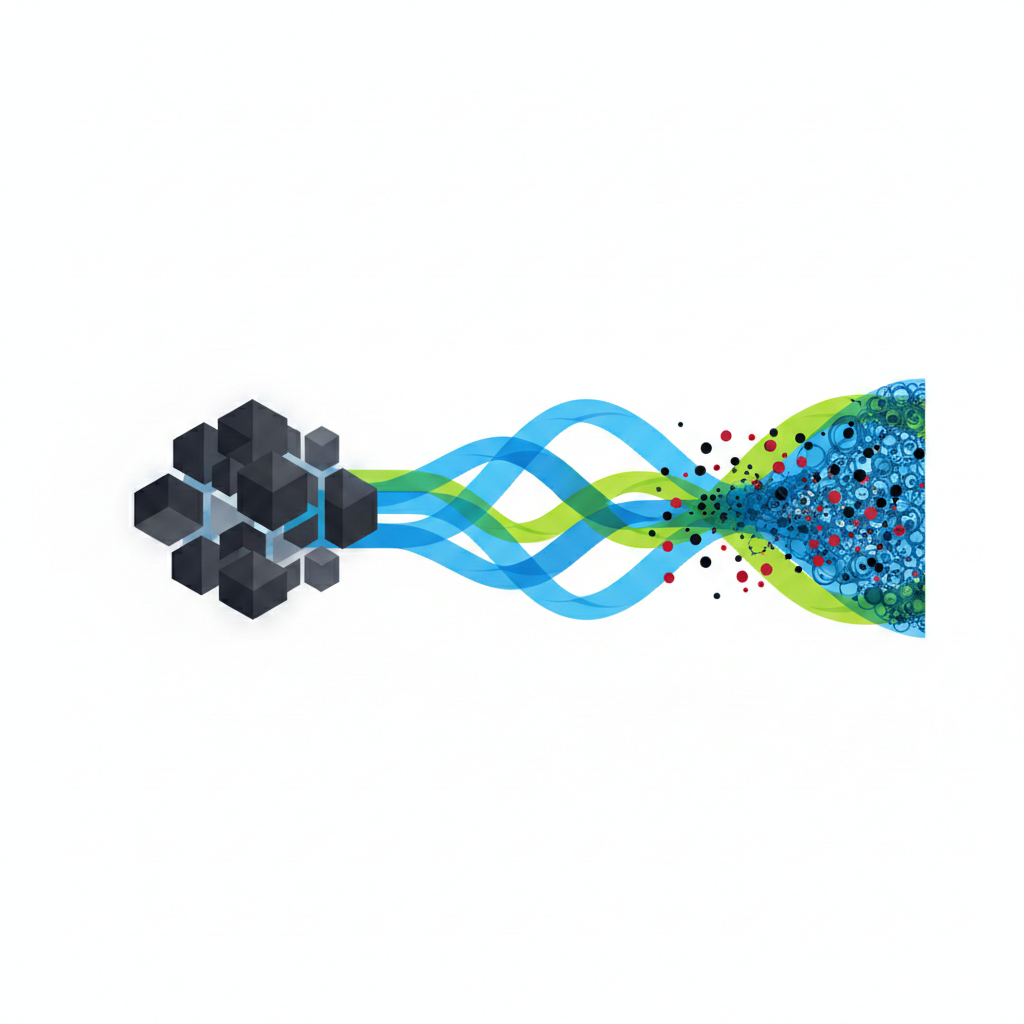
The core innovation discussed in this study is the introduction of a modular design strategy. Rather than using a one-size-fits-all approach, researchers can now analyze the molecular “modules” of a specific chemical, such as its carbon rings or electrical charge, and then design biochar with matching characteristics. For example, if a pollutant has long carbon chains, the biochar is designed to be more water-repellent to better attract those chains. If the pollutant has a benzene ring structure, the biochar is modified to enhance specific electron-sharing interactions. This targeted engineering ensures that the biochar acts like a precision-guided sponge for specific hazardous substances.
The researchers also explored various ways to “supercharge” raw biochar through modification. Physical methods like steam activation or ball milling can significantly increase the surface area and create a more complex network of pores to trap pollutants. Chemical treatments using acids or alkalis can change the electrical charge on the biochar surface, allowing it to pull in oppositely charged chemicals more effectively. Perhaps most excitingly, the study details the development of biochar-based composites. By integrating advanced materials like graphene oxide or magnetic nanoparticles, scientists can create biochar that is not only nearly three times more effective at removing contaminants but also magnetic, making it easy to recover and clean for reuse.
The economic feasibility of this technology is a major advantage for global adoption. The study notes that producing biochar requires about 15 times less energy than producing commercial activated carbonActivated carbon is a form of carbon that has been processed to create a vast network of tiny pores, increasing its surface area significantly. This extensive surface area makes activated carbon exceptionally effective at trapping and holding impurities, like a molecular sponge. It is commonly More. Furthermore, biochar is considered highly competitive when its price remains about 16 times cheaper than traditional carbon adsorbents. The ability to regenerate the biochar is another critical factor in its sustainability. Many of the engineered biochars analyzed in the review maintained over 80 percent of their original cleaning power even after five or more reuse cycles.
Looking to the future, the research team suggests that the integration of artificial intelligence and machine learning could further revolutionize this field. AI could be used to predict how biochar will behave in complex, real-world environments where multiple different chemicals coexist. This would allow for the “intelligent design” of biochar surfaces to maximize efficiency while minimizing production costs. By combining traditional waste management with cutting-edge nanotechnology and modular engineering, biochar is set to become a cornerstone of sustainable environmental remediation.
Source: Gao, X., Jia, R., Zhang, Y., Kang, J., Zhang, L., Ye, H., & Ren, H. (2026). Biochar for the adsorption of endocrine-disrupting chemicals: performance, mechanisms, and strategies. RSC Advances, 16, 10310-10335.


Leave a Reply