
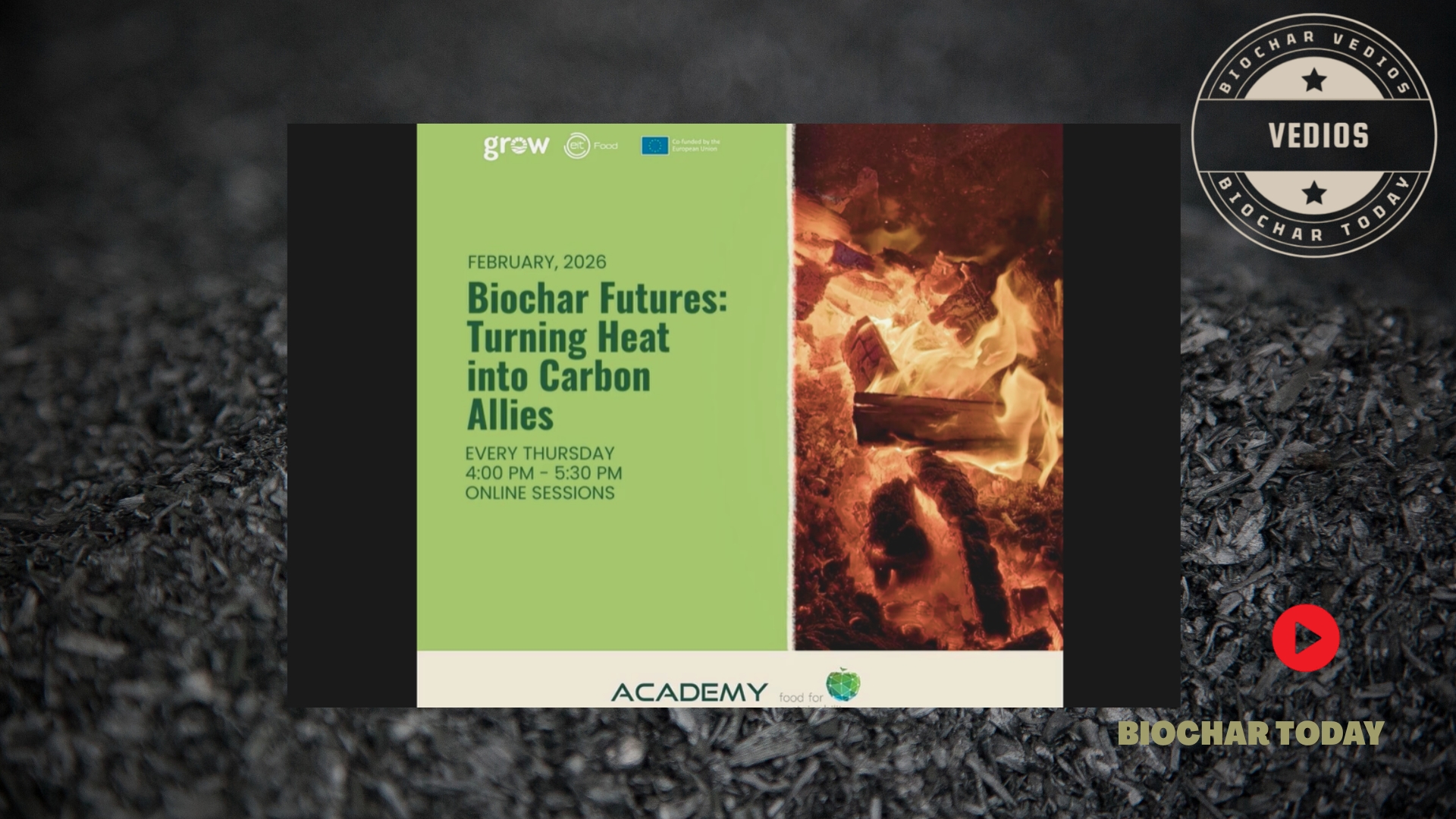
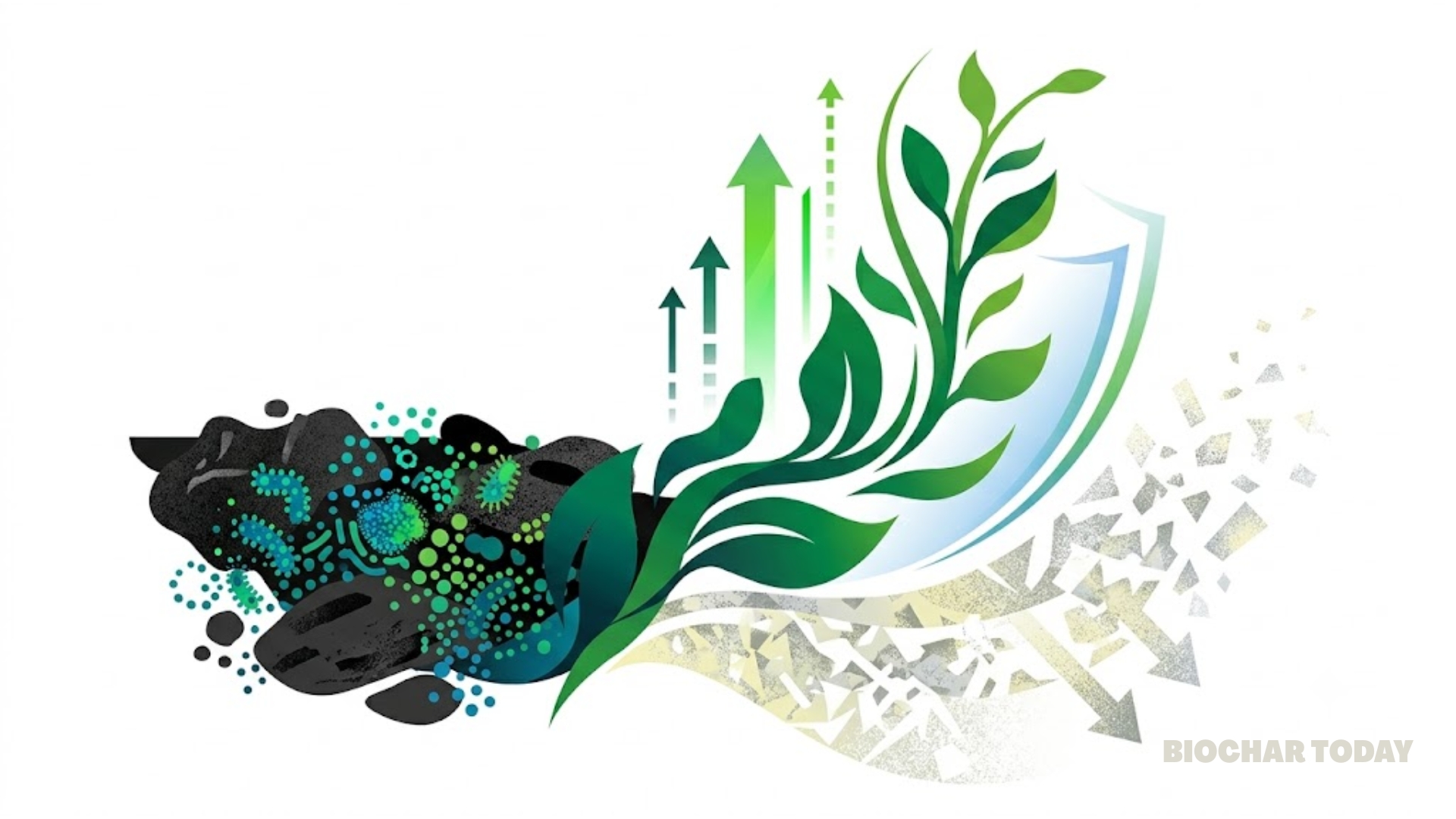
The Food4Sustainability CoLAB recently hosted an industry webinar featuring leading experts from the International BiocharBiochar is a carbon-rich material created from biomass decomposition in low-oxygen conditions. It has important applications in environmental remediation, soil improvement, agriculture, carbon sequestration, energy storage, and sustainable materials, promoting efficiency and reducing waste in various contexts while addressing climate change challenges. More Initiative and Harper Adams University to analyze the functional role of biochar as a specialized carrier for nutrients and microbes. The session moved beyond basic definitions to examine how specific pyrolysis conditionsThe conditions under which pyrolysis takes place, such as temperature, heating rate, and residence time, can significantly affect the properties of the biochar produced. More and feedstockFeedstock refers to the raw organic material used to produce biochar. This can include a wide range of materials, such as wood chips, agricultural residues, and animal manure. More selections determine whether biochar successfully enhances soil biology or remains a neutral additive. By focusing on the intersection of industrial manufacturing and soil ecology, the panel highlighted that biochar’s primary value lies in its structural ability to regulate soil pHpH is a measure of how acidic or alkaline a substance is. A pH of 7 is neutral, while lower pH values indicate acidity and higher values indicate alkalinity. Biochars are normally alkaline and can influence soil pH, often increasing it, which can be beneficial More and provide refuge for beneficial microorganisms, provided the material is engineered to avoid hydrophobicity and chemical inconsistencies.
For the readers, this analysis is critical because it shifts the conversation from generic application toward site-specific, high-integrity deployment. Understanding that biochar performance is system-dependent helps project developers and farmers avoid the financial risks associated with over-generalized commercial claims and “quick fix” expectations. As the industry matures, the importance of aligning scientific research with transparent quality standards ensures that biochar remains a credible tool for both long-term carbon sequestration and the stabilization of global agricultural systems.



Leave a Reply