
The global challenges of phosphorus (P) pollution and depletion present a dual threat to environmental sustainability and agricultural productivity. Excess phosphorus in water bodies leads to eutrophication, causing harmful algal blooms and disrupting aquatic ecosystems. Simultaneously, finite phosphate rock reserves, the primary source of agricultural phosphorus, are dwindling, jeopardizing food security. Compounding this, the disposal of biological sewage sludge, rich in phosphorus but often contaminated with heavy metals, poses a significant waste management dilemma. Addressing these intertwined issues, a groundbreaking study published in Advanced Functional Materials by Yu Zhang, Baile Wu, Haoran Dong, Xiaohong Guan, and Irene M. C. Lo introduces a novel alginate-biochar-calcium (ABC) hydrogel that offers a sustainable and multifunctional solution for both environmental remediation and agricultural enhancement.
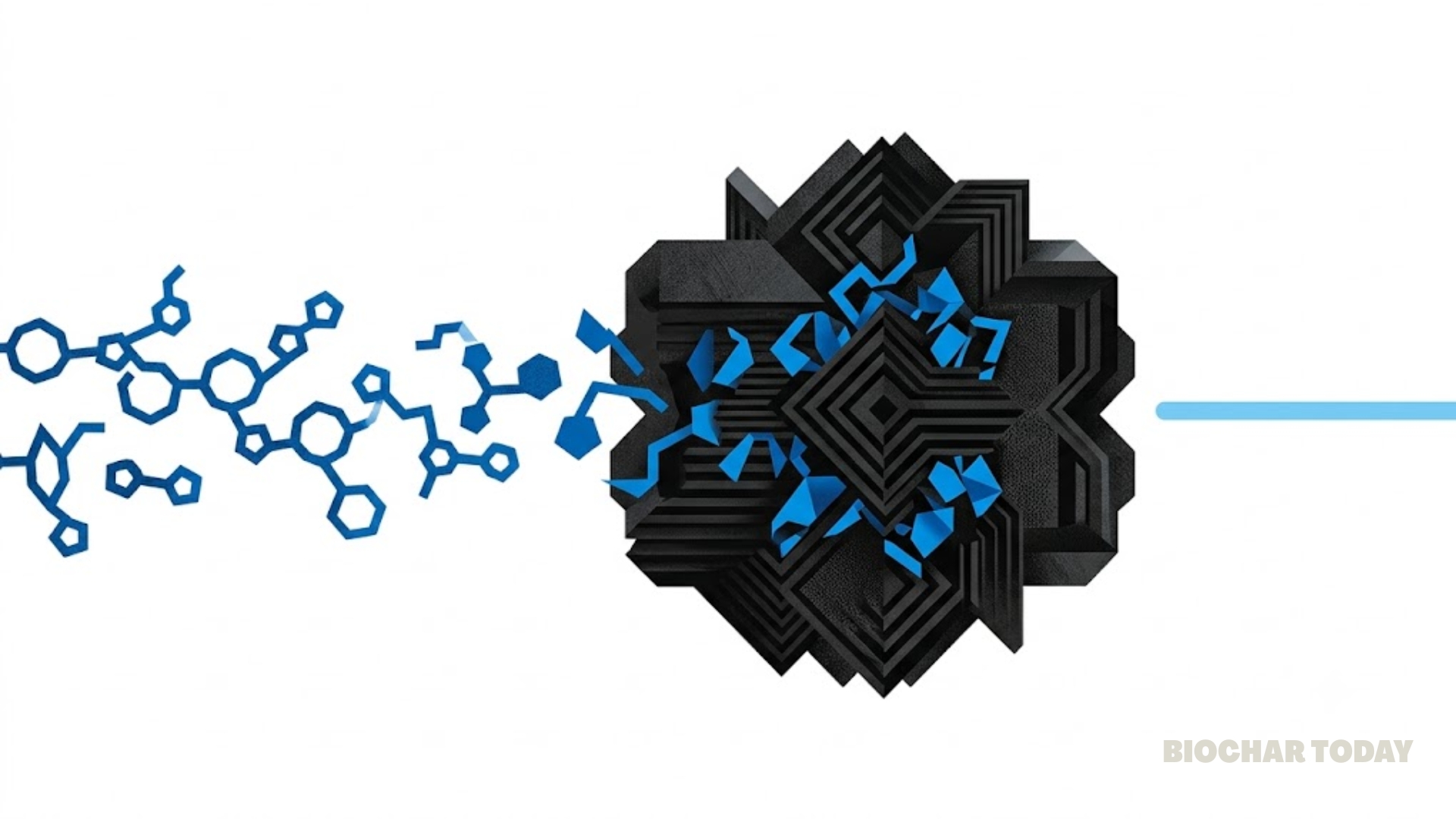
Traditionally, sewage sludge has been a challenging waste product due to its high heavy metal content, which restricts its direct application in agriculture. The conventional methods of disposal, such as landfilling or incineration, are costly and can further exacerbate environmental issues. Recognizing the inherent value of sludge as a phosphorus-rich biomassBiomass is a complex biological organic or non-organic solid product derived from living or recently living organism and available naturally. Various types of wastes such as animal manure, waste paper, sludge and many industrial wastes are also treated as biomass because like natural biomass these More, the researchers developed an innovative approach to transform this problematic waste into a safe and beneficial resource. Their method involves a three-step process: first, biological sewage sludge is pyrolyzed to produce biocharBiochar is a carbon-rich material created from biomass decomposition in low-oxygen conditions. It has important applications in environmental remediation, soil improvement, agriculture, carbon sequestration, energy storage, and sustainable materials, promoting efficiency and reducing waste in various contexts while addressing climate change challenges. More, a carbon-rich material. This biochar is then modified with calcium chloride and finally cross-linked with sodium alginate to form the robust ABC hydrogel. This transformation not only mitigates the environmental risks associated with sludge but also unlocks its potential as a valuable material for nutrient recovery and delivery.
The ABC hydrogel exhibits remarkable capabilities across multiple fronts. Its primary function is the highly efficient removal of phosphate from water. The study demonstrated an impressive maximum phosphate adsorption capacity of 252.15 mg g⁻¹, showcasing its effectiveness in combating phosphorus pollution. This high adsorption is driven by a combination of mechanisms, including electrostatic attraction, where charged phosphate ions are drawn to the hydrogel’s surface; ligand exchange, where phosphate ions replace other ligands on the hydrogel; and precipitation, forming insoluble phosphate compounds. These synergistic interactions ensure comprehensive phosphate capture from contaminated water sources.
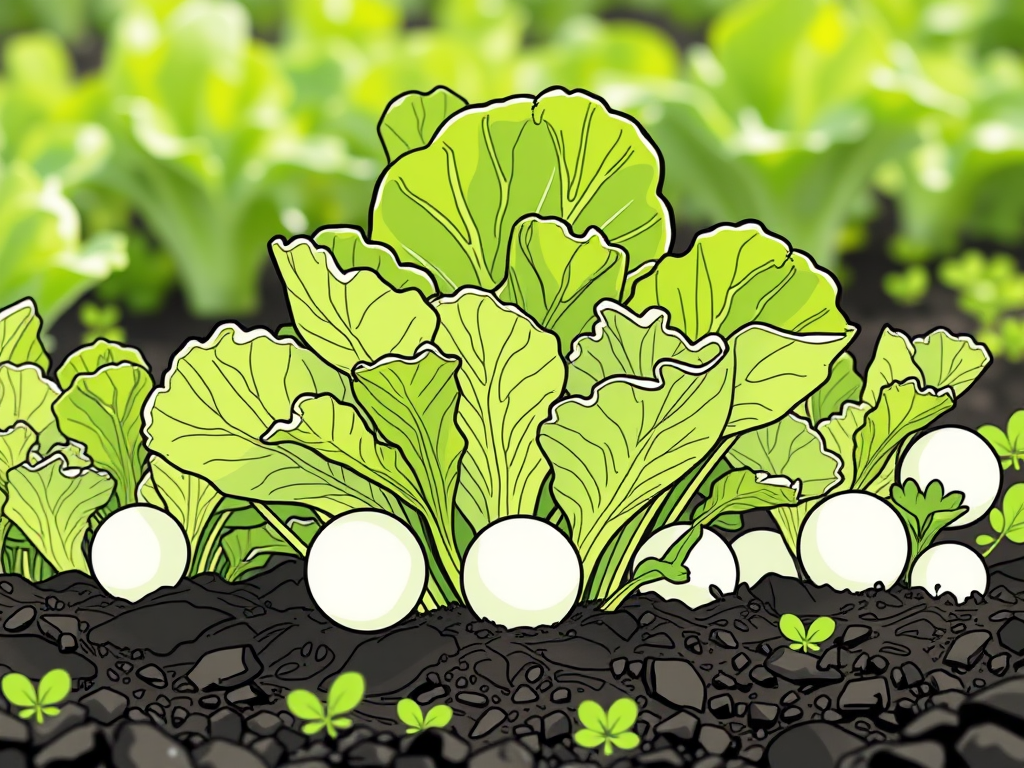
Beyond its role as an adsorbent, the ABC hydrogel excels as a slow-release fertilizer, addressing the issue of phosphorus depletion in agricultural soils. In a significant finding, the hydrogel demonstrated a controlled phosphate release, with 48% of the adsorbed phosphate gradually released over 37 days. This extended release duration is crucial for sustained plant growth, as it minimizes nutrient loss through leachingLeaching is the process where nutrients are dissolved and carried away from the soil by water. This can lead to nutrient depletion and environmental pollution. Biochar can help reduce leaching by improving nutrient retention in the soil. More and ensures a steady supply of phosphorus to crops over time. The agricultural benefits of this slow-release mechanism were strikingly demonstrated in pot experiments. When lettuce was grown with the P-loaded hydrogel, its wet weight increased by an astounding 110% compared to the control group, highlighting the hydrogel’s potential to significantly boost crop yields and promote more efficient nutrient utilization in farming.
Perhaps one of the most transformative aspects of this research is the hydrogel’s ability to drastically reduce the ecological risk of heavy metals present in the original sewage sludge. Through the processes of pyrolysisPyrolysis is a thermochemical process that converts waste biomass into bio-char, bio-oil, and pyro-gas. It offers significant advantages in waste valorization, turning low-value materials into economically valuable resources. Its versatility allows for tailored products based on operational conditions, presenting itself as a cost-effective and efficient More, calcium modification, and cross-linking within the hydrogel structure, the Ecological Risk Index (ERI) of heavy metals was reduced from a hazardous 533.13 to a remarkably low 5.79. This represents a staggering 98.9% reduction in ecological risk, effectively transforming the sewage sludge from an environmental burden into a safe and valuable resource for agricultural application. This not only offers a sustainable pathway for waste valorization but also ensures the safety of the food chain when agricultural products are cultivated using the P-loaded hydrogel.
In conclusion, the alginate-biochar-calcium hydrogel represents a significant leap forward in sustainable waste management and resource recovery. By transforming problematic sewage sludge into a multifunctional material, this innovation simultaneously tackles phosphate pollution in water, provides a slow-release fertilizer for enhanced crop growth, and substantially reduces the environmental risk of heavy metals. This integrated approach offers a highly promising and practical solution for addressing critical environmental and agricultural challenges, paving the way for a more circular economy and sustainable future.
Source: Zhang, Y., Wu, B., Dong, H., Guan, X., & Lo, I. M. C. (2025). Alginate-Sludge Derived Biochar-Calcium Hydrogel for Phosphate Removal and Slow-Release Fertilizer: A Sustainable and Multifunctional Solution. Advanced Functional Materials.


Leave a Reply