
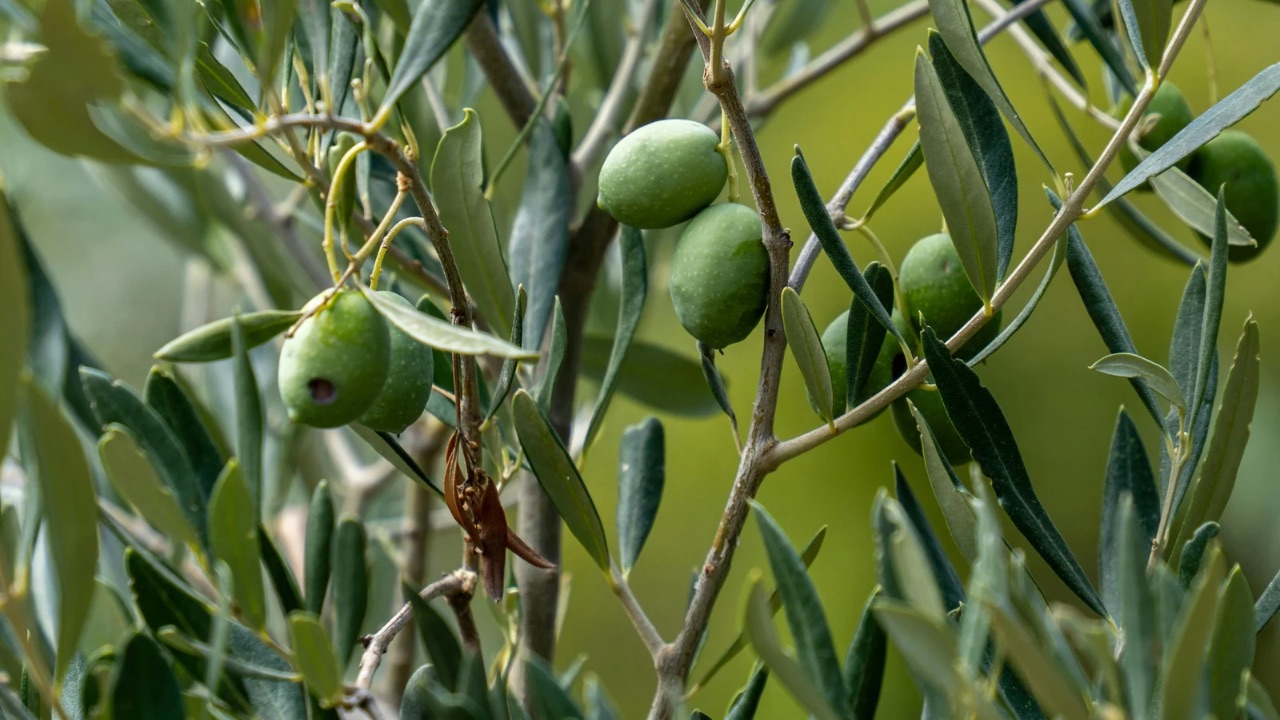
The Instituto Senai de Tecnologia (IST) em Meio Ambiente e Química, in collaboration with the food processor Vale Fértil, has successfully converted olive pit waste into high-quality biocharBiochar is a carbon-rich material created from biomass decomposition in low-oxygen conditions. It has important applications in environmental remediation, soil improvement, agriculture, carbon sequestration, energy storage, and sustainable materials, promoting efficiency and reducing waste in various contexts while addressing climate change challenges. More. Based in Brazil, this initiative demonstrates the technical feasibility of repurposing agricultural byproducts into specialized materials for environmental remediation and industrial use. The project recently concluded its validation phase, proving that organic residues can be transformed into a porous, versatile resource with significant market potential for carbon sequestration and filtration.
The primary challenge addressed by the partnership was the management of substantial waste streams within the olive processing sector. Specifically, Vale Fértil faced the logistical and environmental burden of disposing of massive quantities of olive pits, which are typically discarded as low-value refuse after fruit processing. Without a productive use, these pits represent a lost economic opportunity and a waste management hurdle. The industry required a sustainable method to transition from simple disposal to a circular economy model that extracts value from organic leftovers.
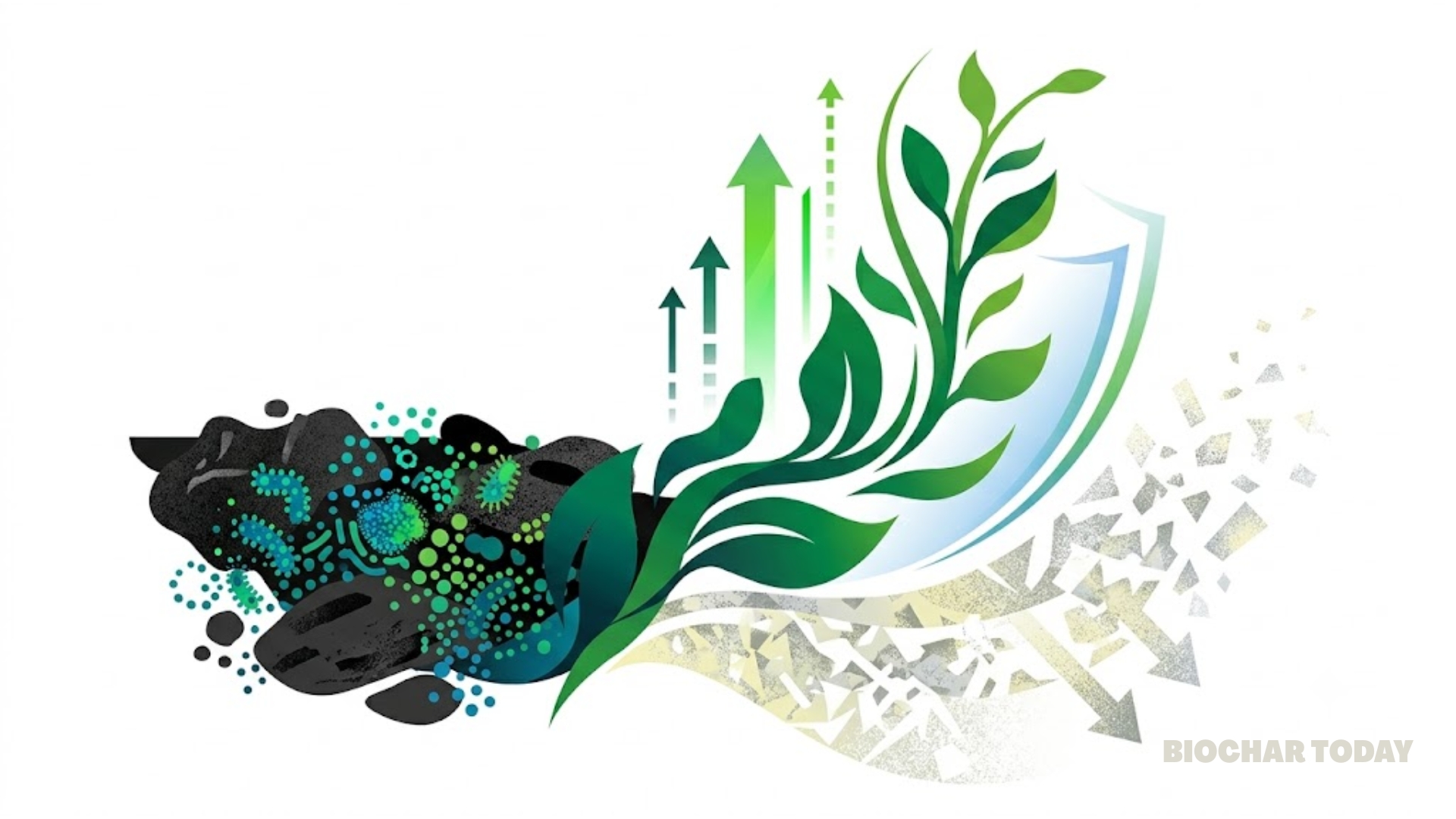
To resolve this, researchers employed a controlled carbonization process to transform the pits into biochar. The resulting material exhibits a highly porous internal structure, which the team optimized for the adsorption of pollutants and heavy metals. This technical solution specifically targets the treatment of industrial effluents generated during olive production, effectively using the industry’s own waste to purify its wastewater. Furthermore, the process yields a stable carbon product that serves as an effective soil conditioner and a structural additive for building materials.
The project outcomes indicate a robust expansion of biochar applications in the Brazilian market. Beyond wastewater treatment, the material has proven effective as an input for regenerative agriculture and as a raw material for manufacturing bricks and ceramics. These technical achievements gained international recognition, with the research team presenting their findings at the International Water Association (IWA) conferences. Such visibility underscores the potential for scaling this solution across the global olive industry to improve sustainability metrics.



Leave a Reply