
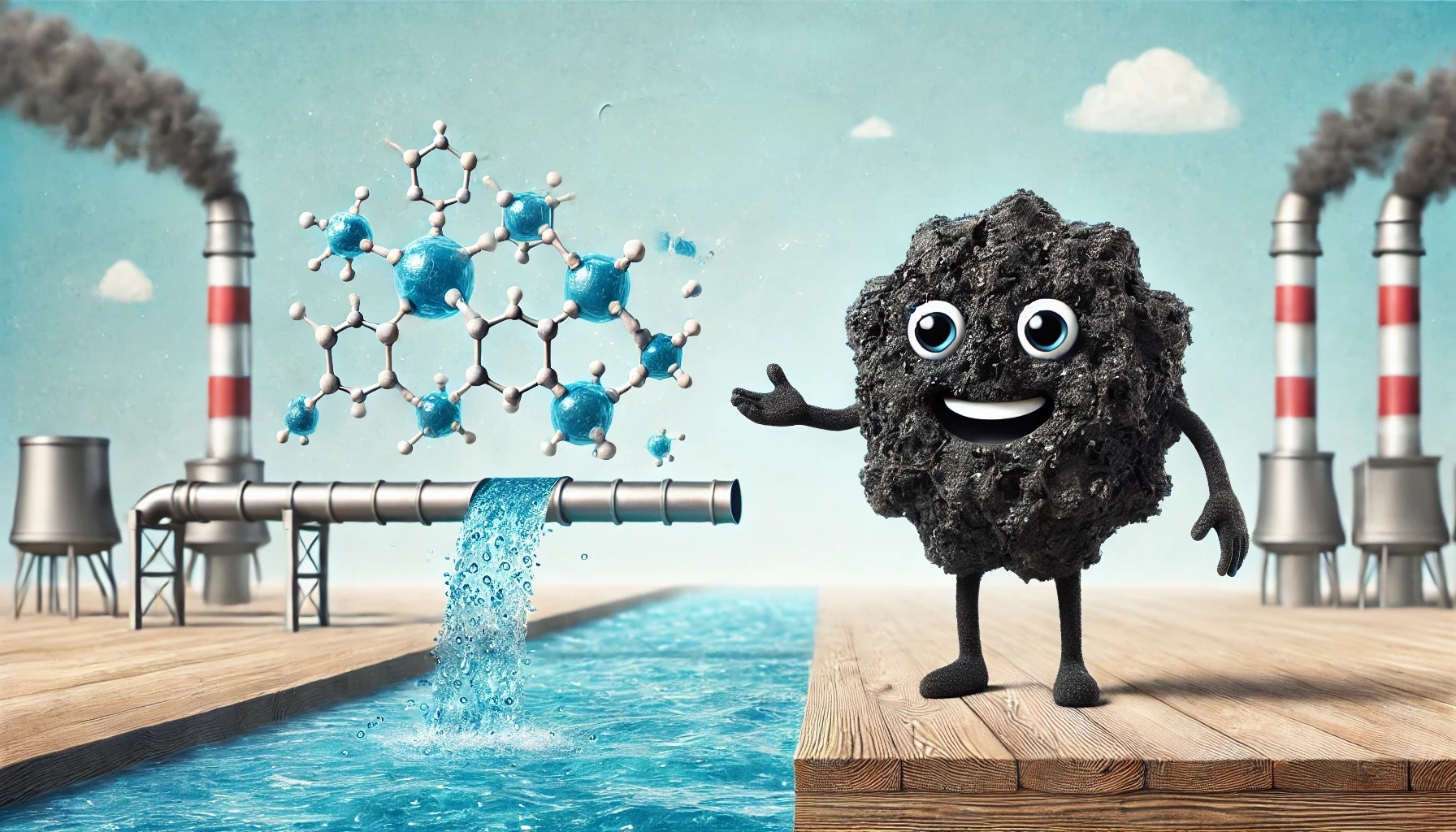

Waste baijiu distillers’ grains-derived biocharBiochar is a carbon-rich material created from biomass decomposition in low-oxygen conditions. It has important applications in environmental remediation, soil improvement, agriculture, carbon sequestration, energy storage, and sustainable materials, promoting efficiency and reducing waste in various contexts while addressing climate change challenges. More for efficient removal of organophosphate esters from water through adsorption. Industrial Crops and Products. https://doi.org/10.1016/j.indcrop.2024.119402
In a recent study published in Industrial Crops and Products, researchers have found an innovative way to convert waste from the Chinese baijiu industry into biochar for water purification. The baijiu industry, with a global market of nearly $100 billion, generates large amounts of distillers’ grains (BDGs) as a by-product. Traditionally, these grains are disposed of through landfilling or incineration, but this new study explores a more sustainable alternative.
By using molten salt-assisted pyrolysisPyrolysis is a thermochemical process that converts waste biomass into bio-char, bio-oil, and pyro-gas. It offers significant advantages in waste valorization, turning low-value materials into economically valuable resources. Its versatility allows for tailored products based on operational conditions, presenting itself as a cost-effective and efficient More, waste BDGs were transformed into biochar, a highly porous material that is capable of adsorbing pollutants from water. The study specifically looked at the removal of organophosphate esters (OPEs), a class of flame retardants commonly found in industrial products. The biochar demonstrated an impressive adsorption capacity of 752.95 mg/g for triphenyl phosphate (TPhP), a common OPE.
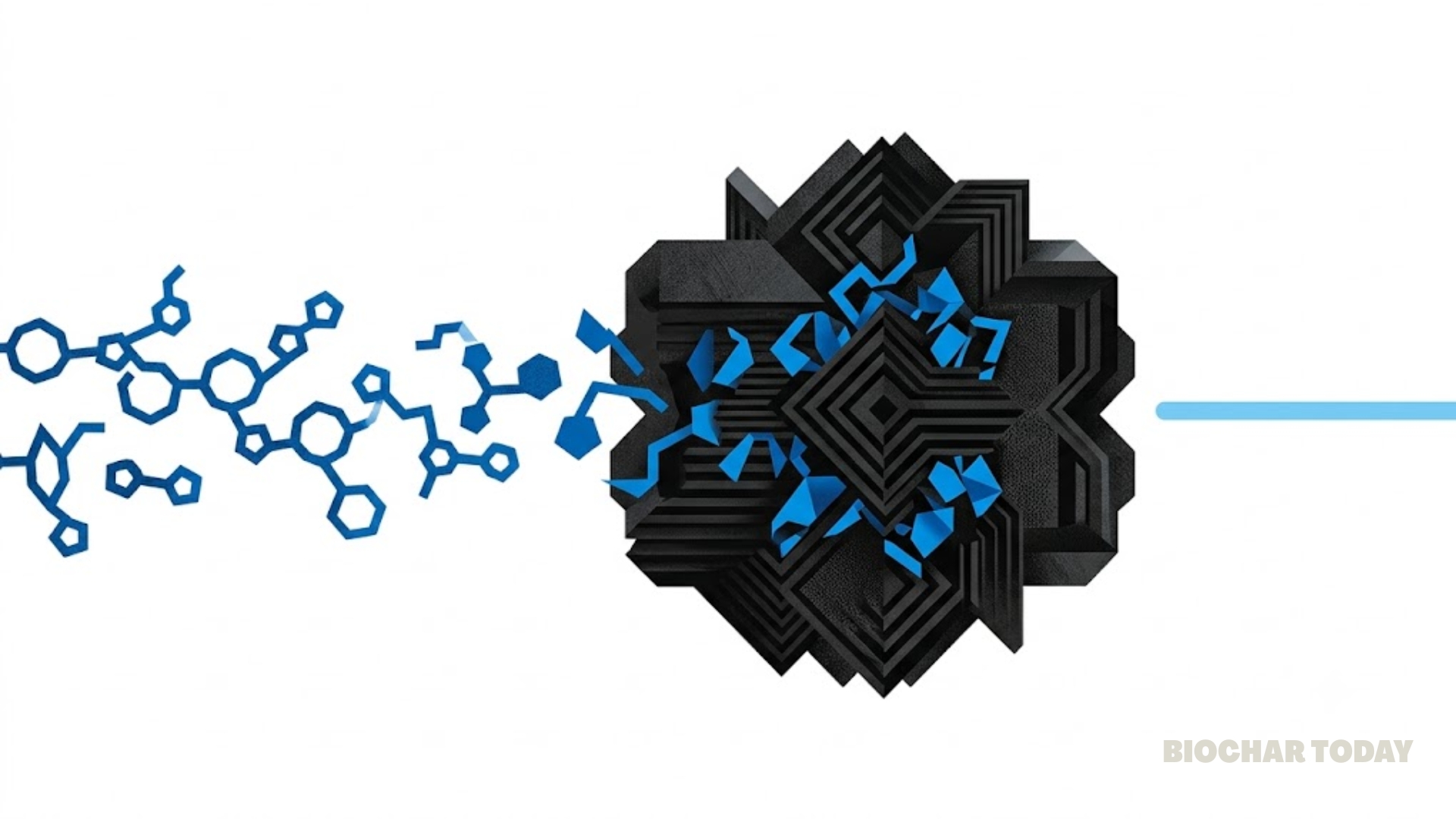
The biochar’s effectiveness is attributed to its large surface area, porous structure, and chemical properties. Key adsorption mechanisms include π-π electron-donor-acceptor interactions, hydrogen bonding, and σ bonding. The material was also successful in removing other OPEs, such as tributyl phosphate and tris(2-chloroethyl) phosphate.
This study offers a promising solution for addressing environmental pollution from OPEs, providing a cost-effective and eco-friendly method to purify water while repurposing industrial waste.



Leave a Reply