

McCall, et al (2024) Predicting Stability of Barley Straw-Derived Biochars Using Fourier Transform Infrared Spectroscopy. ACS Sustainable Resource Management. https://doi.org/10.1021/acssusresmgt.4c00148
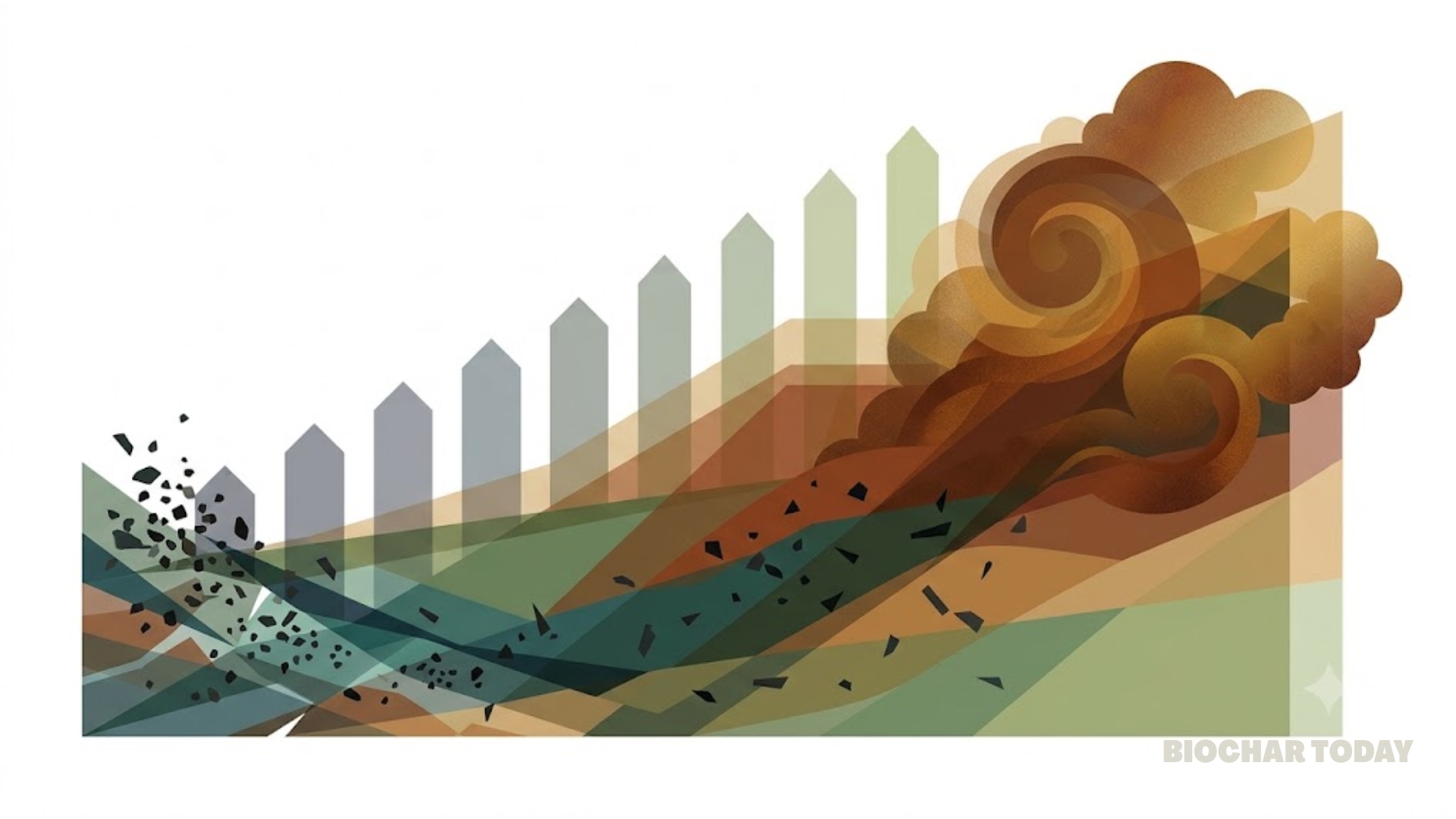
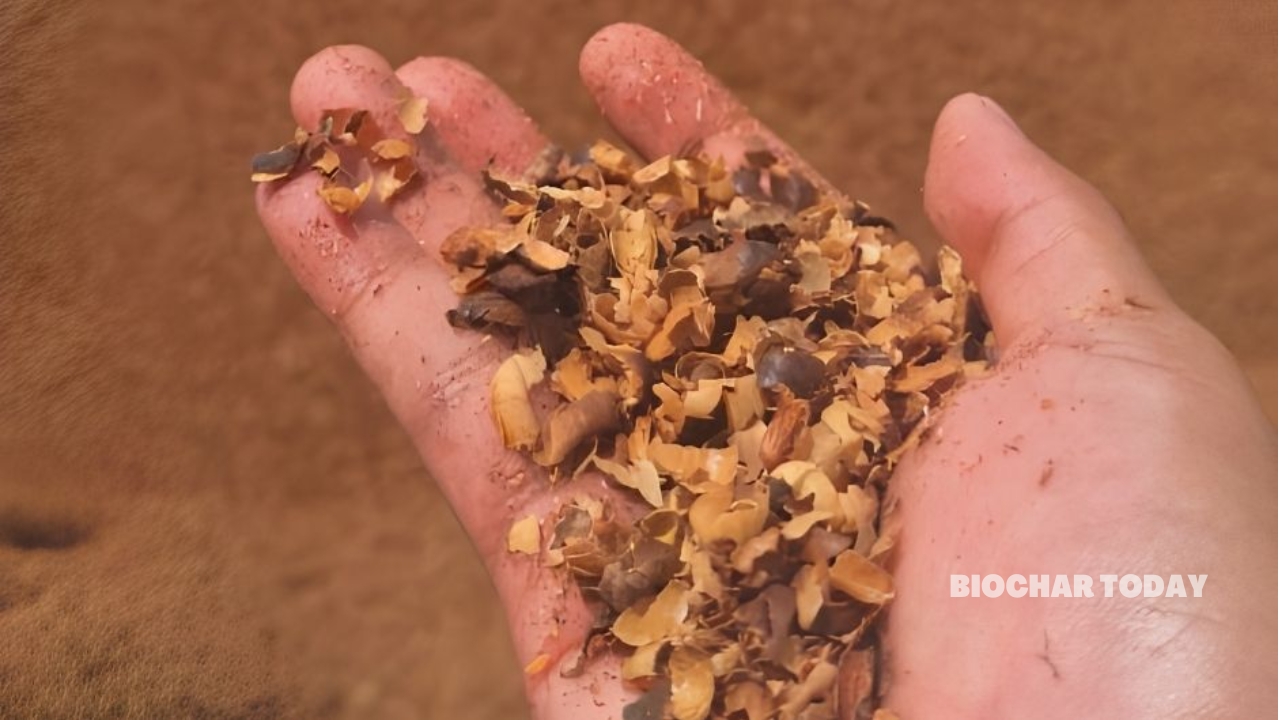
Understanding biochar’s stability is crucial for enhancing its role in carbon sequestration and soil improvement. A recent study explores a novel approach using Fourier-transform infrared (FTIR) spectroscopy to predict the stability of biochars derived from barley straw. Stability is commonly measured through molar ratios of hydrogen-to-carbon (H:C) and oxygen-to-carbon (O:C), key indicators for the biochar’s longevity and carbon sequestration potential. However, traditional methods for determining these ratios are resource-intensive and expensive.
In this study, biochars were produced at pyrolysisPyrolysis is a thermochemical process that converts waste biomass into bio-char, bio-oil, and pyro-gas. It offers significant advantages in waste valorization, turning low-value materials into economically valuable resources. Its versatility allows for tailored products based on operational conditions, presenting itself as a cost-effective and efficient More temperatures ranging from 150°C to 700°C. Significant changes in biocharBiochar is a carbon-rich material created from biomass decomposition in low-oxygen conditions. It has important applications in environmental remediation, soil improvement, agriculture, carbon sequestration, energy storage, and sustainable materials, promoting efficiency and reducing waste in various contexts while addressing climate change challenges. More composition were observed between 200°C and 400°C, with stability increasing at temperatures above 400°C. The research showed that biochars produced at temperatures of 400°C or higher had H:C ratios below 0.7 and O:C ratios below 0.4, making them suitable for soil applications. Using FTIR data, regression models were developed to predict these ratios with high accuracy (R² = 0.99), suggesting that FTIR is a promising alternative for quickly assessing biochar stability.
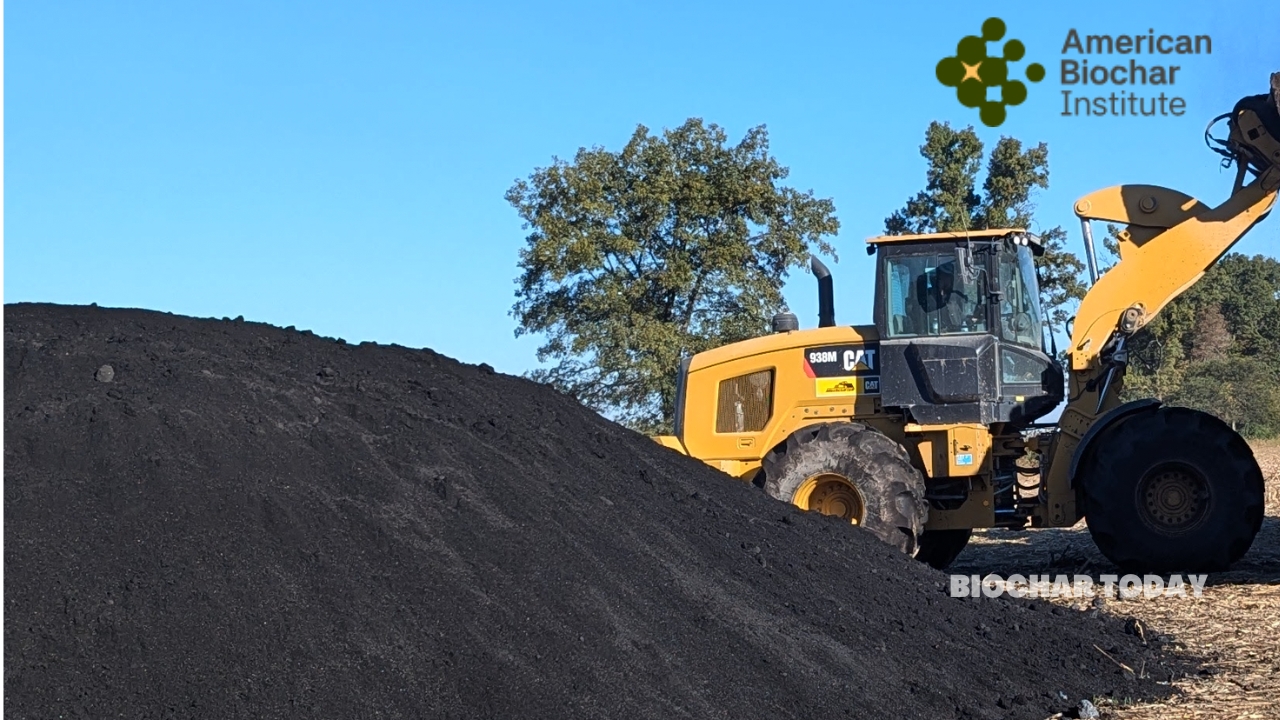
This approach offers a rapid, non-destructive, and cost-effective method for predicting biochar stability, potentially making the technology more accessible for large-scale applications. These findings could lead to more efficient biochar production and better integration of biochar in carbon sequestration and agricultural practices.


Leave a Reply