

Carbogenics has announced a technical webinar, “BiocharBiochar is a carbon-rich material created from biomass decomposition in low-oxygen conditions. It has important applications in environmental remediation, soil improvement, agriculture, carbon sequestration, energy storage, and sustainable materials, promoting efficiency and reducing waste in various contexts while addressing climate change challenges. More and Biogas: A Winning Combination,” aimed at clarifying the operational synergies between engineered biochar and anaerobic digestion (AD) in the United Kingdom. This announcement follows the company’s recent successful $3 million investment round and its shortlisting for the Scotland Business of the Year Sustainability Award in April 2026. The session is designed to provide AD operators and industry stakeholders with a data-driven framework for integrating biocarbon additives into existing energy infrastructure. By focusing on the biochemical role of biochar, Carbogenics aims to transition the industry toward more stable, high-output renewable energy systems.
The primary challenge addressed in the upcoming session is the persistent volatility within commercial AD systems, which often leads to sub-optimal methane yields. Operators frequently manage complex biological imbalances caused by ammonia toxicity and volatile fatty acid (VFA) accumulation. These inhibitors can significantly reduce the efficiency of microbial communities, leading to increased hydraulic retention times and lower revenue for biogas plants. Furthermore, the management of standard digestate remains a logistical hurdle, as its variable nutrient consistency often limits its marketability as a high-quality agricultural input.
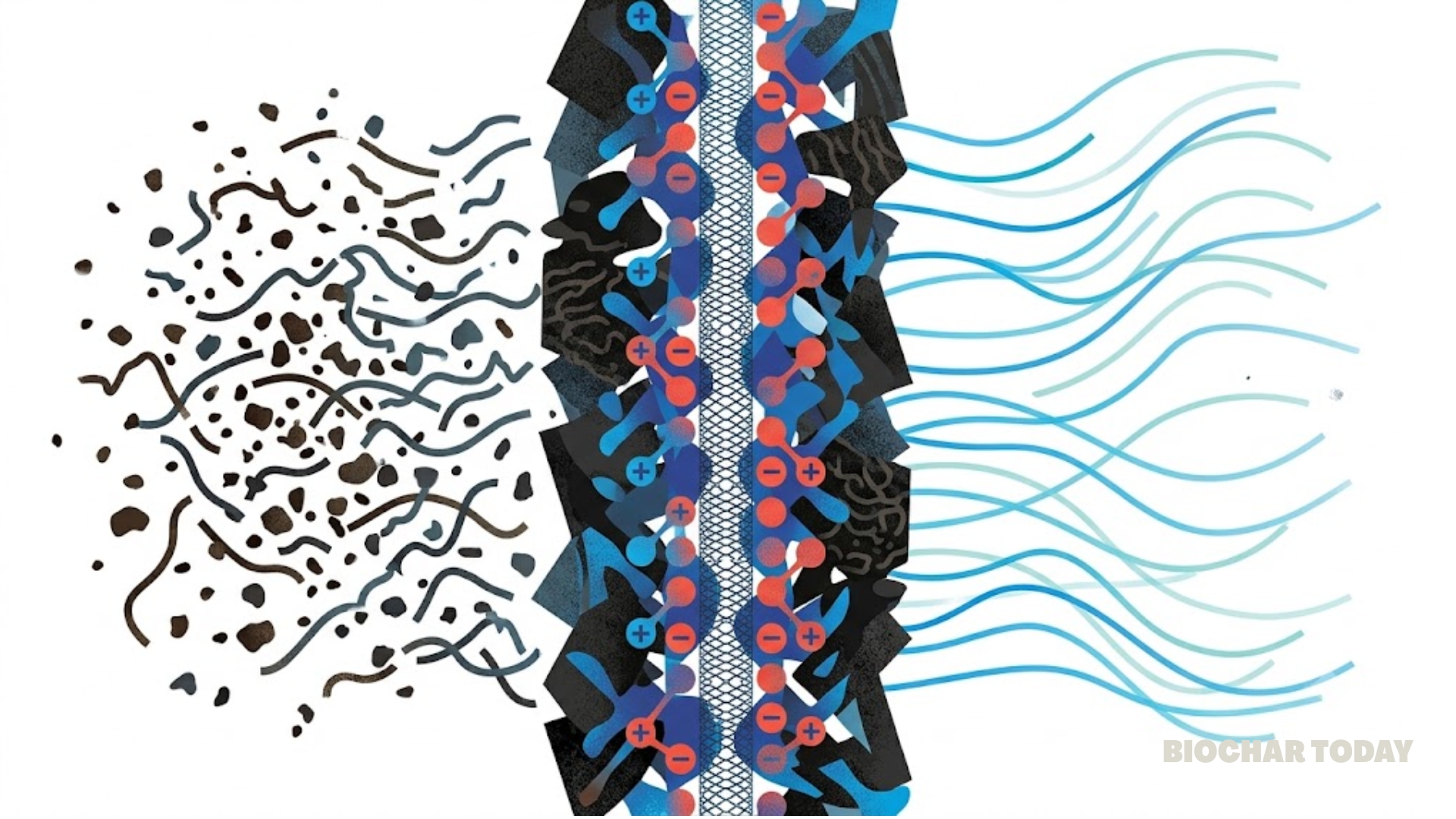
Carbogenics presents the application of its flagship product, CreChar, as a functional solution to these metabolic bottlenecks. Derived from secondary biomassBiomass is a complex biological organic or non-organic solid product derived from living or recently living organism and available naturally. Various types of wastes such as animal manure, waste paper, sludge and many industrial wastes are also treated as biomass because like natural biomass these More streams, such as difficult-to-recycle paper and cardboard, this biochar functions as a high-surface-area catalyst within the digester. The webinar will detail how the material supports Direct Interspecies Electron Transfer (DIET), providing a conductive medium that accelerates the methanogenesis process. By serving as a protective scaffold for microbial biofilms, the biochar mitigates the impact of chemical shocks and stabilizes the pHpH is a measure of how acidic or alkaline a substance is. A pH of 7 is neutral, while lower pH values indicate acidity and higher values indicate alkalinity. Biochars are normally alkaline and can influence soil pH, often increasing it, which can be beneficial More and biological environment within the reactor.
The outcomes of adopting this integrated approach include measurable gains in both energy production and byproduct value. Carbogenics’ research indicates that the inclusion of engineered biochar can increase biogas yields by up to 15% while improving the quality of the resulting solid digestate. This “bio-enriched” digestate serves as a superior soil amendmentA soil amendment is any material added to the soil to enhance its physical or chemical properties, improving its suitability for plant growth. Biochar is considered a soil amendment as it can improve soil structure, water retention, nutrient availability, and microbial activity. More, retaining more nitrogen and facilitating long-term carbon sequestration. For the broader industry, these advancements provide a validated pathway to improve the economic resilience of biogas facilities while supporting the UK’s transition toward a circular, low-carbon economy.




Leave a Reply