
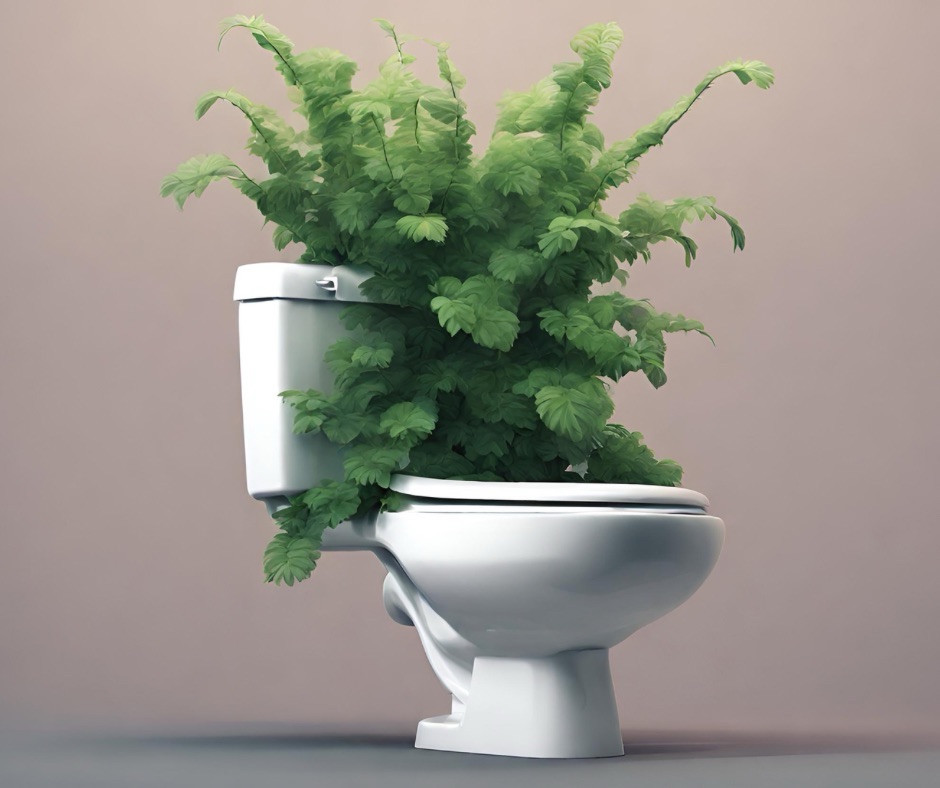

Conventional phosphate fertilizers drain resources, pollute water, and damage ecosystems. But what if we could recycle phosphate from a readily available source: urine? This research explores the potential of magnesite-modified biochar, made from corn straw and magnesite, for cleaning wastewater and fertilizing crops.
Turning Waste into Wonder
Magnesite-modified biochar effectively removes phosphate from simulated urine, with a maximum adsorption capacity of 176.16 mg/g. This beats other magnesium-based biochars and works through electrostatic attraction and ligand exchange.
Plants Love It
Pot experiments show that plants treated with urine-saturated biochar fertilizer sprout 5-6 times faster and grow 9-10 times taller than those without it.
Double Benefit
This biochar not only recycles urine phosphate but also captures carbon dioxide, reducing greenhouse gas emissions.
Beyond the Lab
Economic assessments suggest that magnesite-modified biochar is cost-effective and has potential for large-scale implementation.
This research offers a promising solution to two environmental challenges: urine waste management and sustainable phosphorus fertilizer production. By tapping into the power of biochar, we can turn toilet trouble into green fertilizer, closing the loop on nutrient cycles and promoting a more sustainable future.






Leave a Reply