
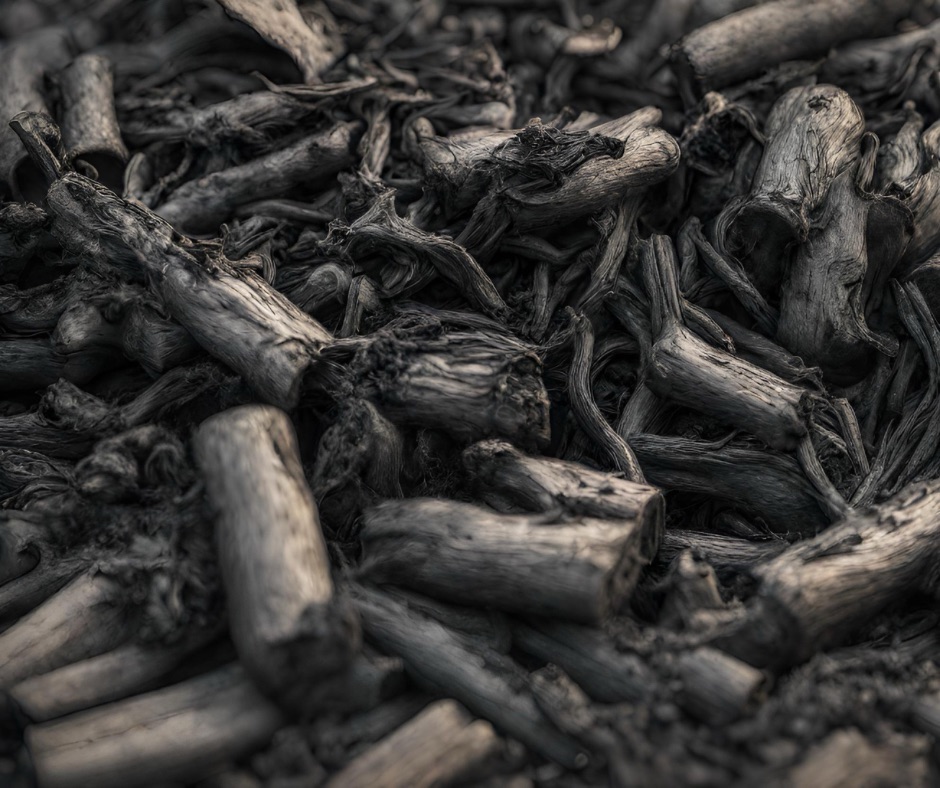
Ojeda, Gil, et al (2024) BiocharBiochar is a carbon-rich material created from biomass decomposition in low-oxygen conditions. It has important applications in environmental remediation, soil improvement, agriculture, carbon sequestration, energy storage, and sustainable materials, promoting efficiency and reducing waste in various contexts while addressing climate change challenges. More ageing effects on soil respiration, biochar wettability and gaseous CO2 adsorption. Mitig Adapt Strateg Glob Change. https://doi.org/10.1007/s11027-024-10107-7
In recent decades, the surge in CO2 emission rates has become a critical concern for environmental sustainability. A promising solution involves the strategic incorporation of biochar into soil to store carbon and mitigate the impacts of climate change. However, a perplexing challenge arises with the aging of biochar, which undergoes a process that potentially hampers its soil-improving properties.
This study delves into the intricacies of biochar aging by assessing temporal changes in two crucial parameters: soil respiration after biochar application and the relationship between CO2 adsorption capacity and biochar wettability. The findings reveal a nuanced timeline of biochar aging. A month post-application, soil respiration decreases with poplar and pine biochars on bare soils lacking vegetation. Yet, after a year, this reduction vanishes, signaling biochar aging marked by a decline in CO2 adsorption capacity.
Moreover, the study uncovers a fascinating shift in biochar wettability, indicating a transformation from hydrophobic to hydrophilic characteristics over time. The mutually opposed processes of decreased CO2 adsorption capacity and improved wettability shed light on the aging dynamics of biochar.
Notably, the research emphasizes the global significance of biochar, highlighting pine biochar’s superior ability to adsorb CO2 compared to poplar biochar. The study concludes with a powerful insight into the remarkable capacity of both biochars to absorb carbon dioxide, positioning them as valuable tools in promoting carbon storage within soils. This comprehensive exploration advances our understanding of biochar’s role as a crucial player in carbon sequestration, providing valuable insights for sustainable environmental practices.



Leave a Reply