
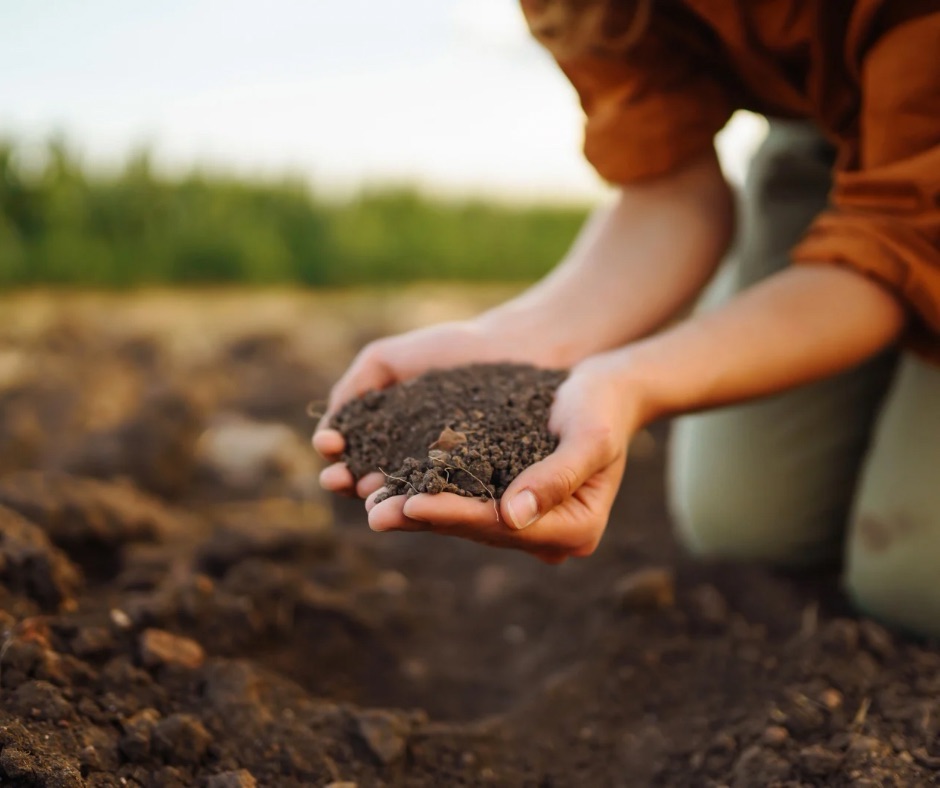

Phytoremediation, a cost-effective and eco-friendly technique, is emerging as a promising solution for repairing heavy metal-contaminated soils. This approach utilizes plants to extract pollutants from the soil, but a crucial concern arises in managing the significant quantity of resulting plant residues. Enter pyrolysisPyrolysis is a thermochemical process that converts waste biomass into bio-char, bio-oil, and pyro-gas. It offers significant advantages in waste valorization, turning low-value materials into economically valuable resources. Its versatility allows for tailored products based on operational conditions, presenting itself as a cost-effective and efficient More, an effective technology capable of converting these residues into biochar, a valuable substance that not only solves the waste problem but also prevents secondary contamination.
In a recent paper, the generation and physicochemical properties of biochar from phytoremediation residues are explored, highlighting its potential applications in soil improvement, environmental remediation, and carbon sequestration. While this approach offers numerous benefits, it is crucial to consider the potential toxicity of heavy metals in biochar and the associated environmental risks before widespread application.
The review underscores the importance of addressing future challenges in residue-derived biochar production. This includes the need for a thoughtful selection of pyrolysis parameters and the proper handling of potentially hazardous components in the biochar. As we venture into a more sustainable future, understanding and mitigating these challenges will be instrumental in maximizing the benefits of phytoremediation and biochar for soil management. By embracing these innovative technologies responsibly, we can pave the way for a greener, healthier planet.



Leave a Reply