
Chen, Zhao, et al (2024) BiocharBiochar is a carbon-rich material created from biomass decomposition in low-oxygen conditions. It has important applications in environmental remediation, soil improvement, agriculture, carbon sequestration, energy storage, and sustainable materials, promoting efficiency and reducing waste in various contexts while addressing climate change challenges. More and Flooding Increase and Change the Diazotroph Communities in Tropical Paddy Fields. Agriculture. https://doi.org/10.3390/agriculture14020211
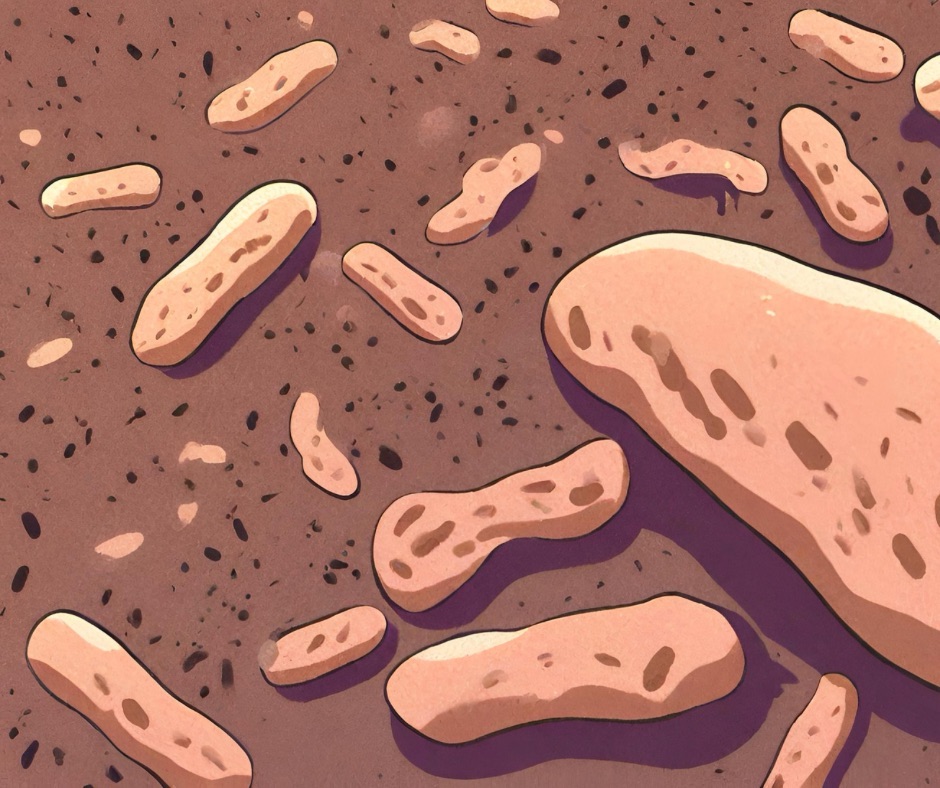
Ever wondered if we could grow rice while reducing dependence on synthetic fertilizers? The answer lies in the hidden potential of soil microorganisms. This study explored how biochar and water management practices influence “diazotrophs,” champions of natural nitrogen fixationNitrogen is a crucial nutrient for plant growth, but plants can’t directly absorb it from the air. Nitrogen fixation is a process where certain bacteria convert atmospheric nitrogen into a form that plants can use. Biochar can provide a home for these nitrogen-fixing bacteria, enhancing More in tropical paddy fields.
The Experiment
Five treatments were tested: biochar addition, flooding, and different nitrogen fertilizer regimes. Researchers tracked the abundance and community composition of diazotrophs throughout the rice growing seasons.
Key Findings
- Biochar: Increased soil pHpH is a measure of how acidic or alkaline a substance is. A pH of 7 is neutral, while lower pH values indicate acidity and higher values indicate alkalinity. Biochars are normally alkaline and can influence soil pH, often increasing it, which can be beneficial More and organic carbon, fostering a welcoming environment for diazotrophs.
- Flooding: Decreased available phosphorus but surprisingly boosted diazotroph abundance.
- Nitrogen fertilizer: While expectedly impacting diazotrophs, its relationship was negative with their abundance.
- Soil chemistry: Diazothroph abundance thrived with higher organic carbon but was suppressed by readily available nitrogen and phosphorus.
Exciting Implications
Combining biochar amendment and flooding with reduced fertilizer application can enhance natural nitrogen fixation in rice paddies. This approach promotes sustainable agriculture by lessening reliance on synthetic fertilizers and their environmental drawbacks.
Moving Forward
Further research is needed to optimize biochar and water management practices for specific rice varieties and soil conditions. Unlocking the full potential of diazotrophs holds immense promise for eco-friendly and productive rice cultivation in the tropics.






Leave a Reply