
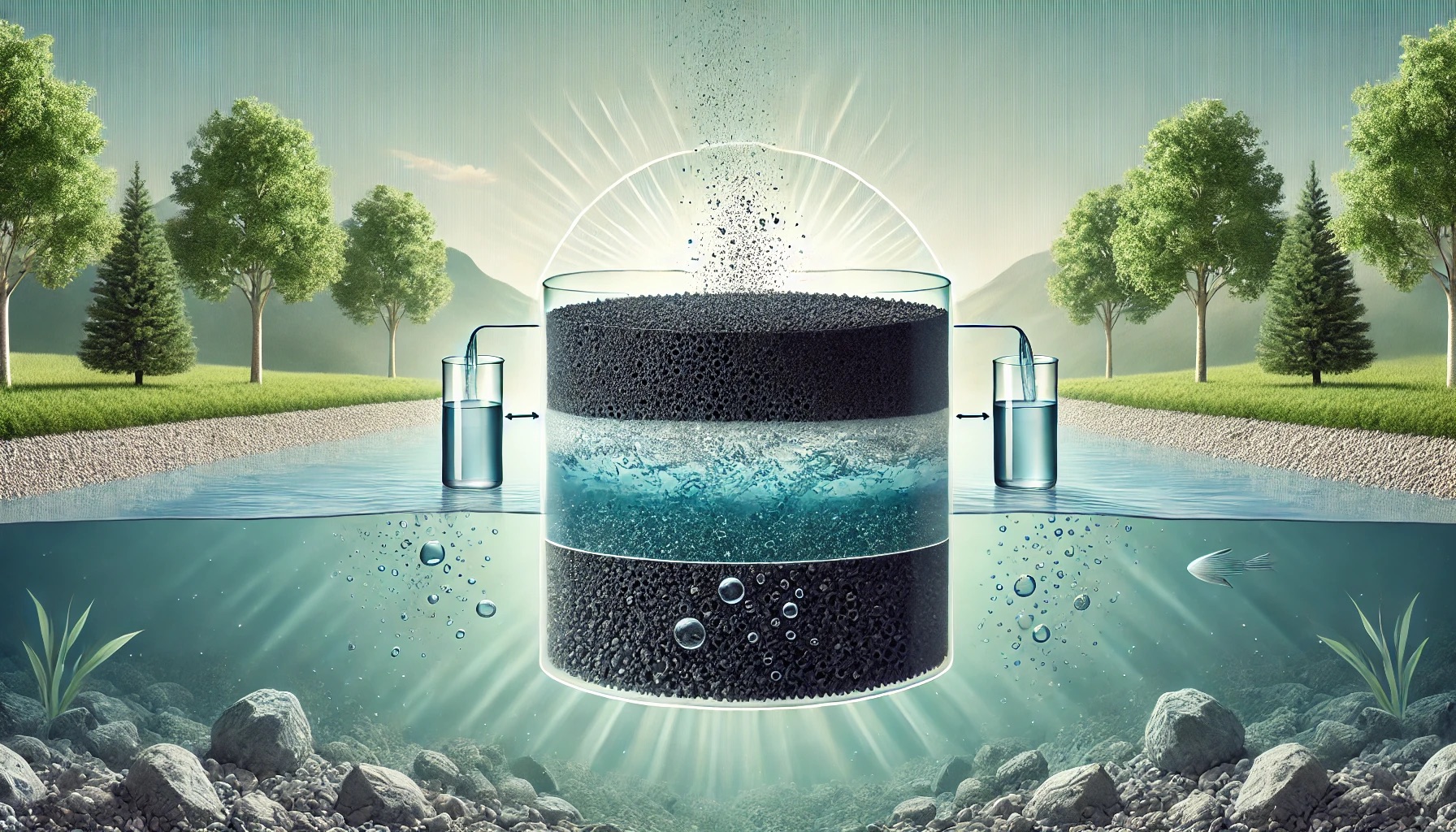

Researchers have developed a method to convert waste napkins into high-performance biochar, a promising material for removing antibiotics from water. The study utilized common dyes like Congo red, methyl orange, and crystal violet to modify the napkin-derived biochar, enhancing its adsorption properties.
The process involved two key steps: nitrogen doping through dye modification and activation. The treated napkins were carbonized at high temperatures, producing biochar with a significantly increased surface area—up to 2,750 m²/g—compared to unmodified versions. Nitrogen doping also improved the chemical structure, creating active sites for better adsorption.
In tests using tetracycline hydrochloride as a pollutant model, the nitrogen-doped biochar demonstrated superior adsorption capacities, exceeding many existing adsorbents. Its efficiency remained stable even after 10 cycles of reuse, retaining over 65% performance. This indicates its durability and regeneration potential, critical for real-world applications.
The adsorption mechanisms involved pore filling, hydrogen bonding, and π-π interactions, with the enhanced surface area playing a key role. Additionally, the modified biochar was effective across varying pHpH is a measure of how acidic or alkaline a substance is. A pH of 7 is neutral, while lower pH values indicate acidity and higher values indicate alkalinity. Biochars are normally alkaline and can influence soil pH, often increasing it, which can be beneficial More levels, with peak adsorption at neutral conditions.
This study not only highlights an innovative use for waste napkins but also addresses environmental concerns by transforming disposable materials into valuable resources. Such biochar applications can help mitigate water pollution and reduce landfill waste, advancing sustainable waste management and environmental protection.


Leave a Reply