
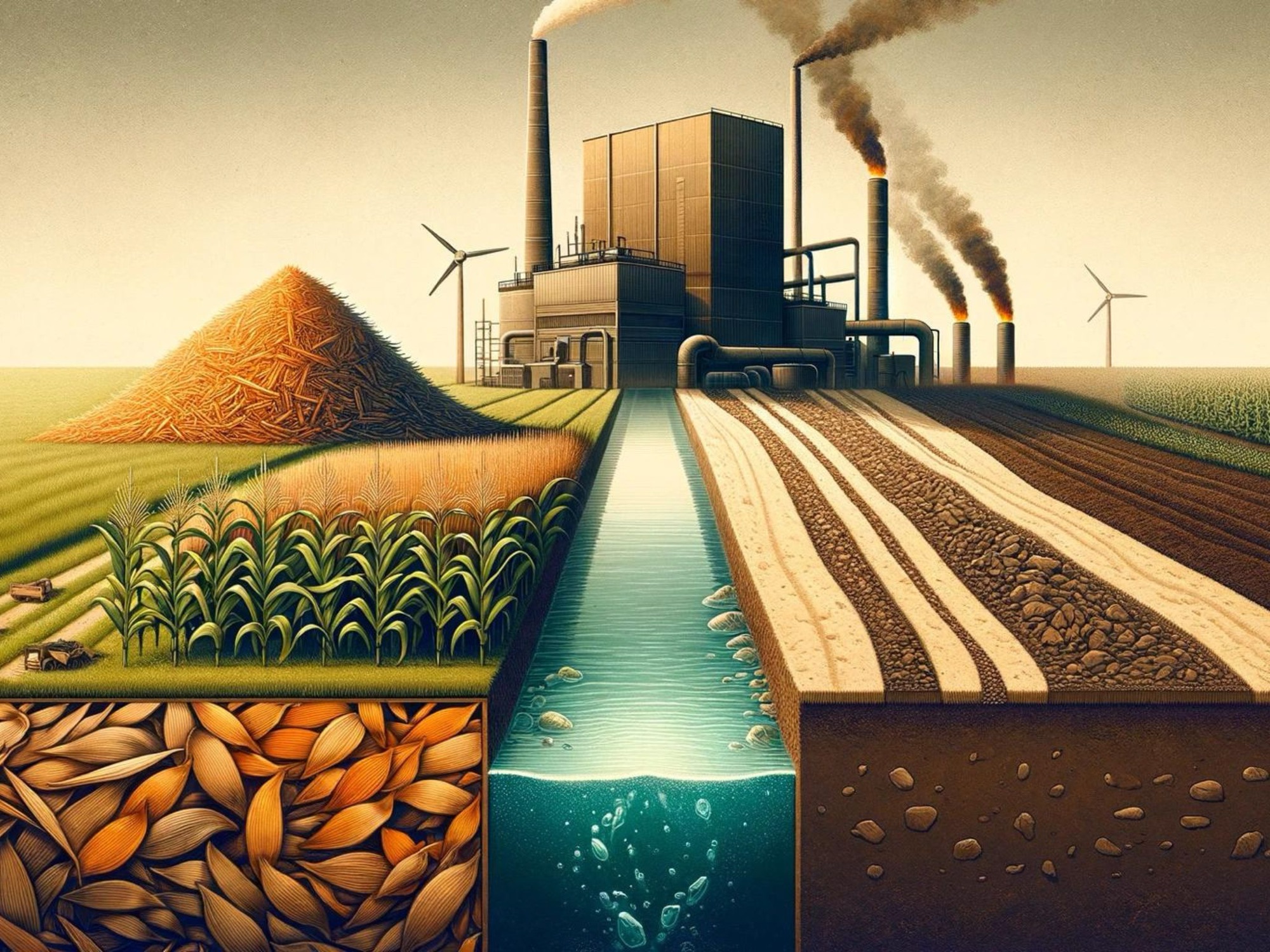

Biochar, derived from agro-waste biomassBiomass is a complex biological organic or non-organic solid product derived from living or recently living organism and available naturally. Various types of wastes such as animal manure, waste paper, sludge and many industrial wastes are also treated as biomass because like natural biomass these More, has shown considerable promise as a low-cost adsorbent for heavy metals, pivotal for environmental bioremediation in rural areas of developing countries. The physiochemical properties of biochar, which directly influence its capacity to immobilize heavy metals such as hexavalent chromium [Cr(VI)], cadmium [Cd(II)], and zinc [Zn(II)], are significantly affected by pyrolysisPyrolysis is a thermochemical process that converts waste biomass into bio-char, bio-oil, and pyro-gas. It offers significant advantages in waste valorization, turning low-value materials into economically valuable resources. Its versatility allows for tailored products based on operational conditions, presenting itself as a cost-effective and efficient More temperature.
Research indicates that higher pyrolysis temperatures enhance the aromaticity and stability of carbon structures within biochar, contributing to increased surface area and microporosity which are beneficial for adsorption processes. The transformation of lignin within the biomass at high temperatures also contributes to these effects by enhancing the biochar’s surface area and functional group availability.
However, the relationship between pyrolysis temperature and biochar’s cation exchange capacity (CEC) is complex, varying with the type of biomass. As pyrolysis temperature increases, there is generally a reduction in volatile content and an increase in ashAsh is the non-combustible inorganic residue that remains after organic matter, like wood or biomass, is completely burned. It consists mainly of minerals and is different from biochar, which is produced through incomplete combustion. Ash Ash is the residue that remains after the complete More content, which can affect the overall yield and quality of biochar.
The application of biochar as an adsorbent is not only a function of its physiochemical properties but also of the pyrolysis conditionsThe conditions under which pyrolysis takes place, such as temperature, heating rate, and residence time, can significantly affect the properties of the biochar produced. More that govern its production. These conditions impact the biochar’s effectiveness in adsorbing heavy metals from water, making it a vital area of study for environmental scientists and engineers.
The current literature and studies reviewed suggest a nuanced understanding of biochar production and application, highlighting the need for continued research into the optimization of pyrolysis conditions to maximize biochar’s heavy metal adsorption capacities. This is particularly critical for supporting sustainable environmental practices in developing nations, where the economic and health impacts of heavy metal contamination are severe.
Future research directions include exploring different biomass types and pyrolysis conditions to refine the biochar production process, thereby enhancing its practical applications in heavy metal remediation. This comprehensive approach will help mitigate the environmental impact of heavy metals and support public health initiatives in affected regions. The development of biochar technology stands as a testament to the innovative approaches being applied to solve some of the most pressing environmental challenges today.




Leave a Reply