
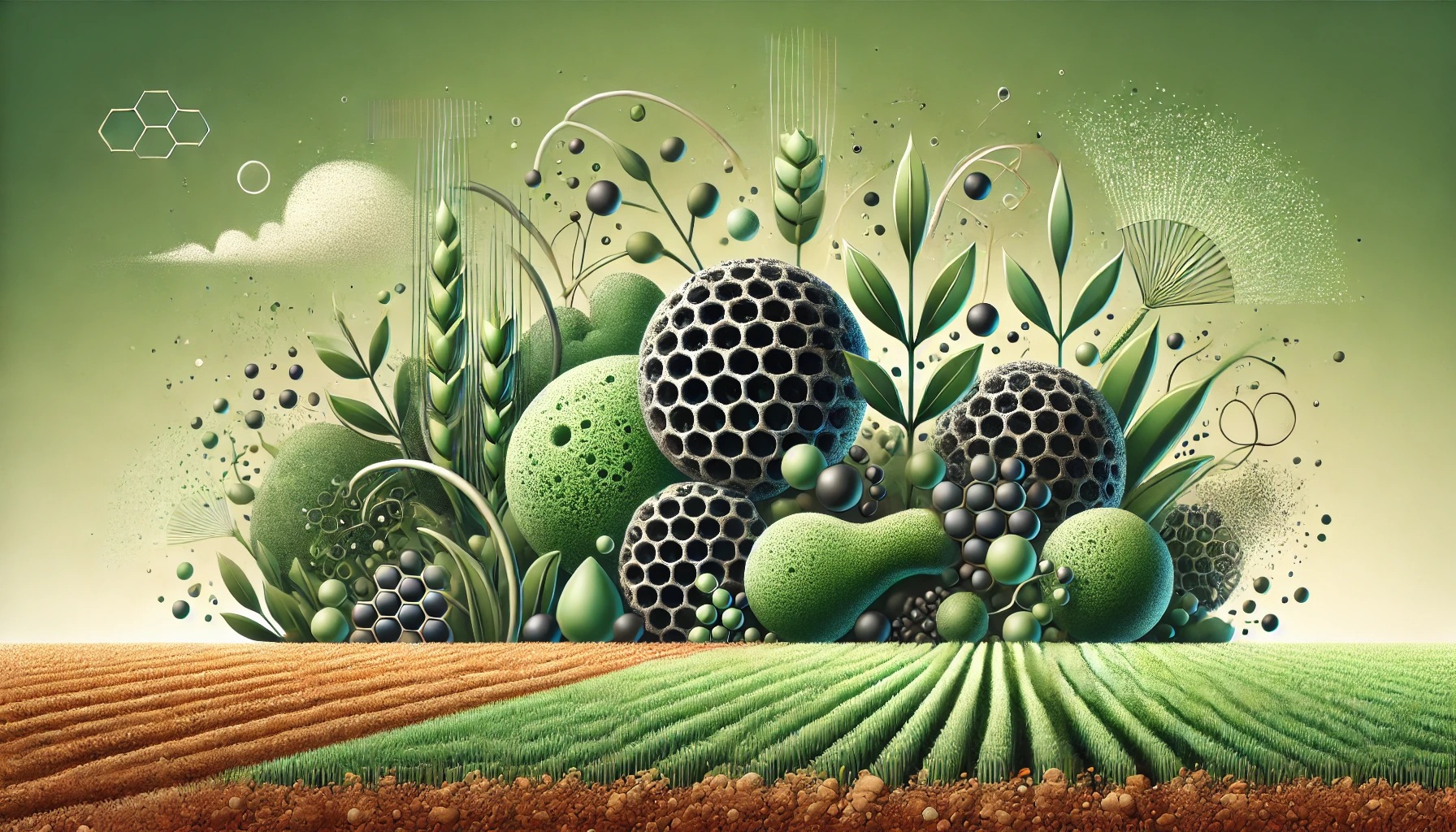
Divyangkumar & Panwar (2024) Standardization, certification, and development of biocharBiochar is a carbon-rich material created from biomass decomposition in low-oxygen conditions. It has important applications in environmental remediation, soil improvement, agriculture, carbon sequestration, energy storage, and sustainable materials, promoting efficiency and reducing waste in various contexts while addressing climate change challenges. More based fertilizer for sustainable agriculture: An overview. Environmental Pollution and Management. https://doi.org/10.1016/j.epm.2024.10.001
As the global population rises and arable land decreases, sustainable agricultural practices are crucial. Traditional fertilizers, though essential for productivity, contribute to environmental issues such as nutrient leachingLeaching is the process where nutrients are dissolved and carried away from the soil by water. This can lead to nutrient depletion and environmental pollution. Biochar can help reduce leaching by improving nutrient retention in the soil. More and greenhouse gas emissions. Slow-release fertilizers (SRFs) offer a solution by releasing nutrients gradually, improving efficiency while reducing environmental impact. Biochar, a carbon-rich material derived from biomassBiomass is a complex biological organic or non-organic solid product derived from living or recently living organism and available naturally. Various types of wastes such as animal manure, waste paper, sludge and many industrial wastes are also treated as biomass because like natural biomass these More, has gained attention as a key component in SRF development.
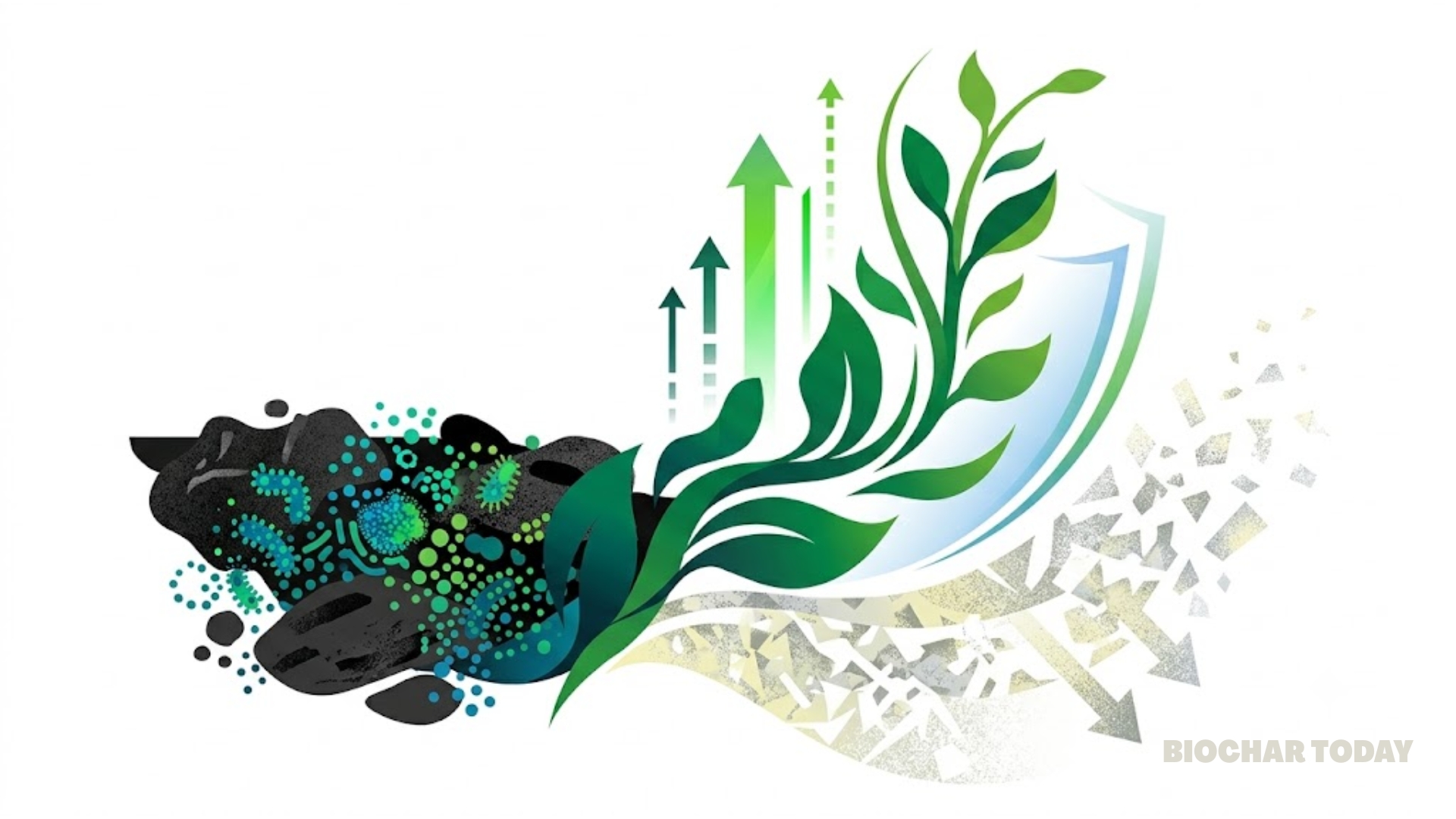
Biochar-based SRFs are highly effective in supporting sustainable agriculture. Their porous structure allows them to retain nutrients and release them in a controlled manner, reducing losses through leaching and volatilization. Various techniques enhance biochar’s performance, such as encapsulation, impregnation, and co-pyrolysis, improving its nutrient retention capabilities. Furthermore, biochar can be modified to create nano-fertilizers, offering precision in nutrient release and further reducing environmental damage.
International standards for biochar and SRFs, such as those from ISO and the European Biochar Certificate (EBC), ensure product quality and environmental safety. While biochar-based fertilizers show promise, challenges remain, including variability in biochar properties and the need for long-term studies on soil health impacts. Nonetheless, integrating biochar into fertilizer systems presents a significant opportunity for enhancing agricultural productivity sustainably, improving soil quality, and contributing to climate change mitigation through carbon sequestration.



Leave a Reply