

Priyanka, et al (2024) Cleaning Up Metal Contamination after Decades of Energy Production and Manufacturing: Reviewing the Value in Use of Biochars for a Sustainable Future. Sustainability. https://doi.org/10.3390/su16208838
BiocharBiochar is a carbon-rich material created from biomass decomposition in low-oxygen conditions. It has important applications in environmental remediation, soil improvement, agriculture, carbon sequestration, energy storage, and sustainable materials, promoting efficiency and reducing waste in various contexts while addressing climate change challenges. More, a carbon-rich material derived from biomassBiomass is a complex biological organic or non-organic solid product derived from living or recently living organism and available naturally. Various types of wastes such as animal manure, waste paper, sludge and many industrial wastes are also treated as biomass because like natural biomass these More, offers significant potential for addressing heavy metal pollution caused by decades of energy production and industrial activities. Such contamination, primarily from manufacturing and mining, releases heavy metals like lead, cadmium, mercury, and chromium into water systems. These pollutants pose serious risks to human health and biodiversity.
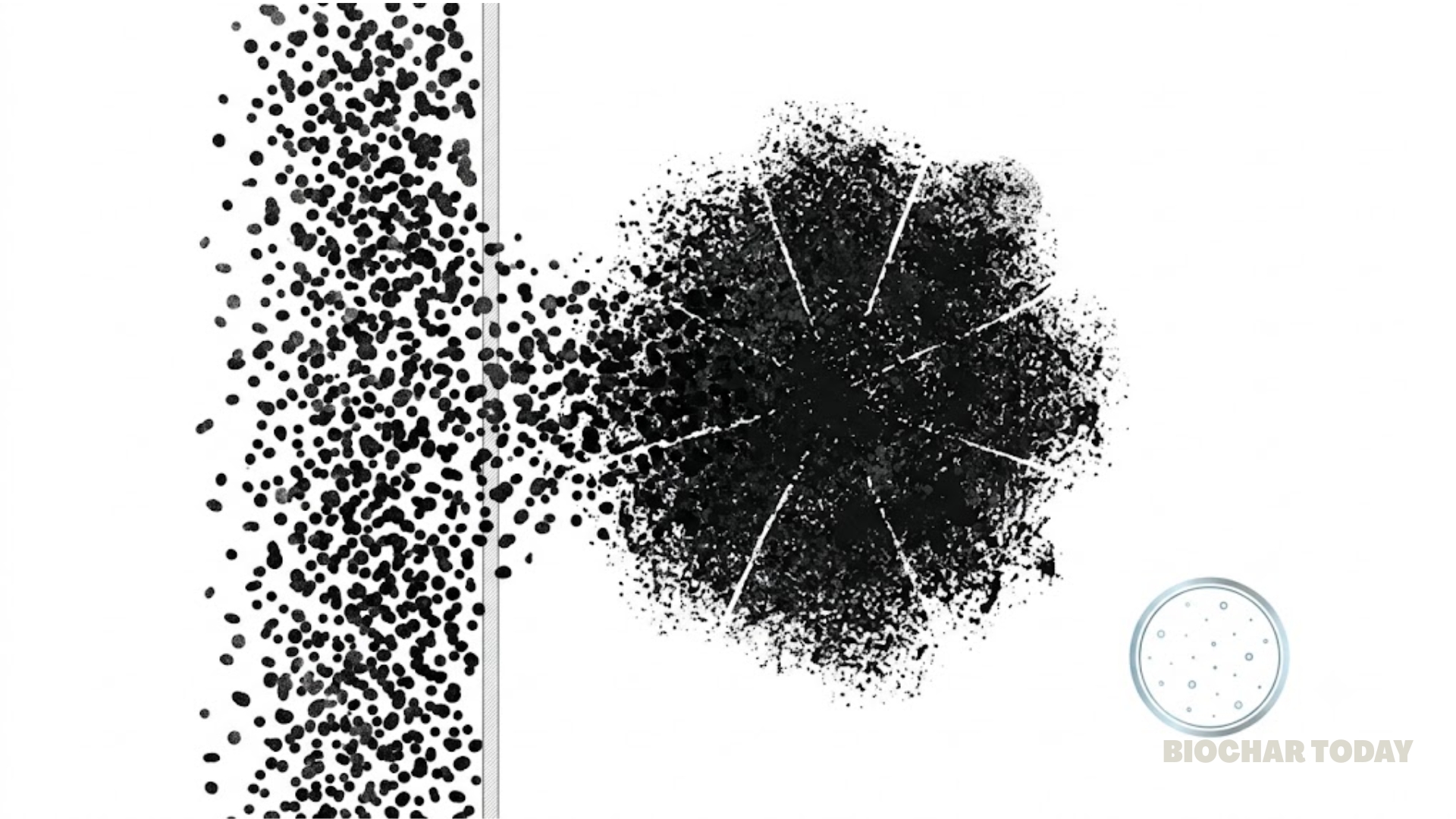
Recent research focuses on biochar’s capacity to remove heavy metals from water sources through its highly porous structure and customizable surface properties. Biochar can be produced from various waste materials, including agricultural residues, forestry byproducts, and even municipal waste. Its surface area, pore size, and chemical functionalities make it effective for adsorbing and immobilizing metals. Moreover, biochar can be modified through processes such as activation and functionalization to target specific contaminants more efficiently.
Beyond its ability to absorb pollutants, biochar is a promising tool for promoting sustainable water treatment practices. It is a cost-effective alternative to conventional materials like activated carbonActivated carbon is a form of carbon that has been processed to create a vast network of tiny pores, increasing its surface area significantly. This extensive surface area makes activated carbon exceptionally effective at trapping and holding impurities, like a molecular sponge. It is commonly More, with the added benefit of being recyclable and regenerable. After absorbing pollutants, biochar can often be reused in multiple cycles, enhancing its economic and environmental appeal.
Ultimately, integrating biochar into water treatment systems supports global sustainability goals by reducing metal contamination and promoting waste-to-resource strategies in industrial and environmental management.



Leave a Reply