
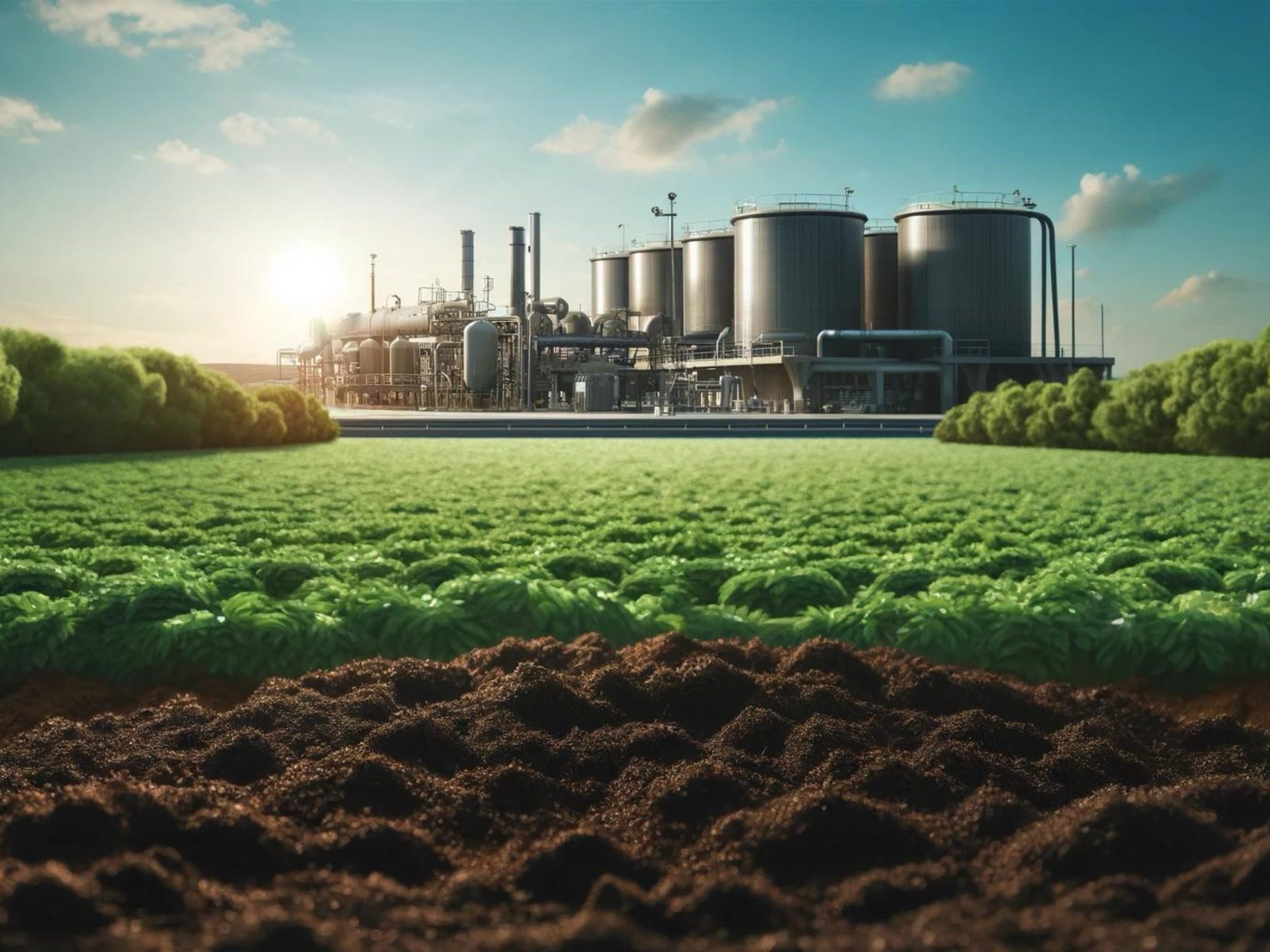

Wastewater treatment plants (WWTPs) are significant contributors to global greenhouse gas (GHG) emissions, releasing methane (CH4) and nitrous oxide (N2O) that collectively account for about 4% of global emissions. The integration of biochar-derived composites (BDCs) in wastewater management presents a promising approach to reduce these emissions and enhance carbon sequestration.
BiocharBiochar is a carbon-rich material created from biomass decomposition in low-oxygen conditions. It has important applications in environmental remediation, soil improvement, agriculture, carbon sequestration, energy storage, and sustainable materials, promoting efficiency and reducing waste in various contexts while addressing climate change challenges. More is a carbon-rich product obtained from the pyrolysisPyrolysis is a thermochemical process that converts waste biomass into bio-char, bio-oil, and pyro-gas. It offers significant advantages in waste valorization, turning low-value materials into economically valuable resources. Its versatility allows for tailored products based on operational conditions, presenting itself as a cost-effective and efficient More of biomassBiomass is a complex biological organic or non-organic solid product derived from living or recently living organism and available naturally. Various types of wastes such as animal manure, waste paper, sludge and many industrial wastes are also treated as biomass because like natural biomass these More. It is capable of improving soil quality, increasing organic carbon content by up to 20%, and decreasing N2O emissions from soils by about 15%. Research indicates that applying biochar in the water sector can reduce GHG emissions by up to five times, potentially mitigating between 300 million to 660 million tons of CO2 annually on a global scale.
The process of creating biochar involves heating biomass without oxygen at various temperatures, which affects the quality and adsorption capacity of the resulting biochar. These biochar composites are then used to enhance wastewater treatment processes and reduce pollutant levels through adsorption. For instance, certain biochar formulations have shown high adsorption capacities for contaminants like chromium (Cr(VI)), significantly exceeding those of traditional adsorbents.
Furthermore, biochar application extends beyond pollutant removal. Its stability and high carbon content make it an excellent candidate for long-term carbon storage in soils, aiding in climate change mitigation by locking carbon in a stable form that is resistant to quick degradation.
The advancements in biochar technology align with Sustainable Development Goals (SDGs), particularly the goal of ensuring access to clean water and sanitation by 2030. By employing BDCs, WWTPs can achieve net-zero emissions, improving their environmental footprint while maintaining economic viability. This not only supports environmental sustainability but also promotes the circular economy by converting waste into valuable resources.
Overall, biochar utilization in wastewater treatment not only addresses the emission of GHGs but also offers a pathway towards sustainable and economically feasible water management practices. The continuous development and application of BDCs could revolutionize wastewater treatment, turning WWTPs from major emitters of GHGs into facilities that contribute positively to carbon sequestration efforts.




Leave a Reply