

Applications of charcoalCharcoal is a black, brittle, and porous material produced by heating wood or other organic substances in a low-oxygen environment. It is primarily used as a fuel source for cooking and heating. More, activated charcoal, and biocharBiochar is a carbon-rich material created from biomass decomposition in low-oxygen conditions. It has important applications in environmental remediation, soil improvement, agriculture, carbon sequestration, energy storage, and sustainable materials, promoting efficiency and reducing waste in various contexts while addressing climate change challenges. More in aquaculture – A review. Science of Total Environment. https://doi.org/10.1016/j.scitotenv.2024.172574
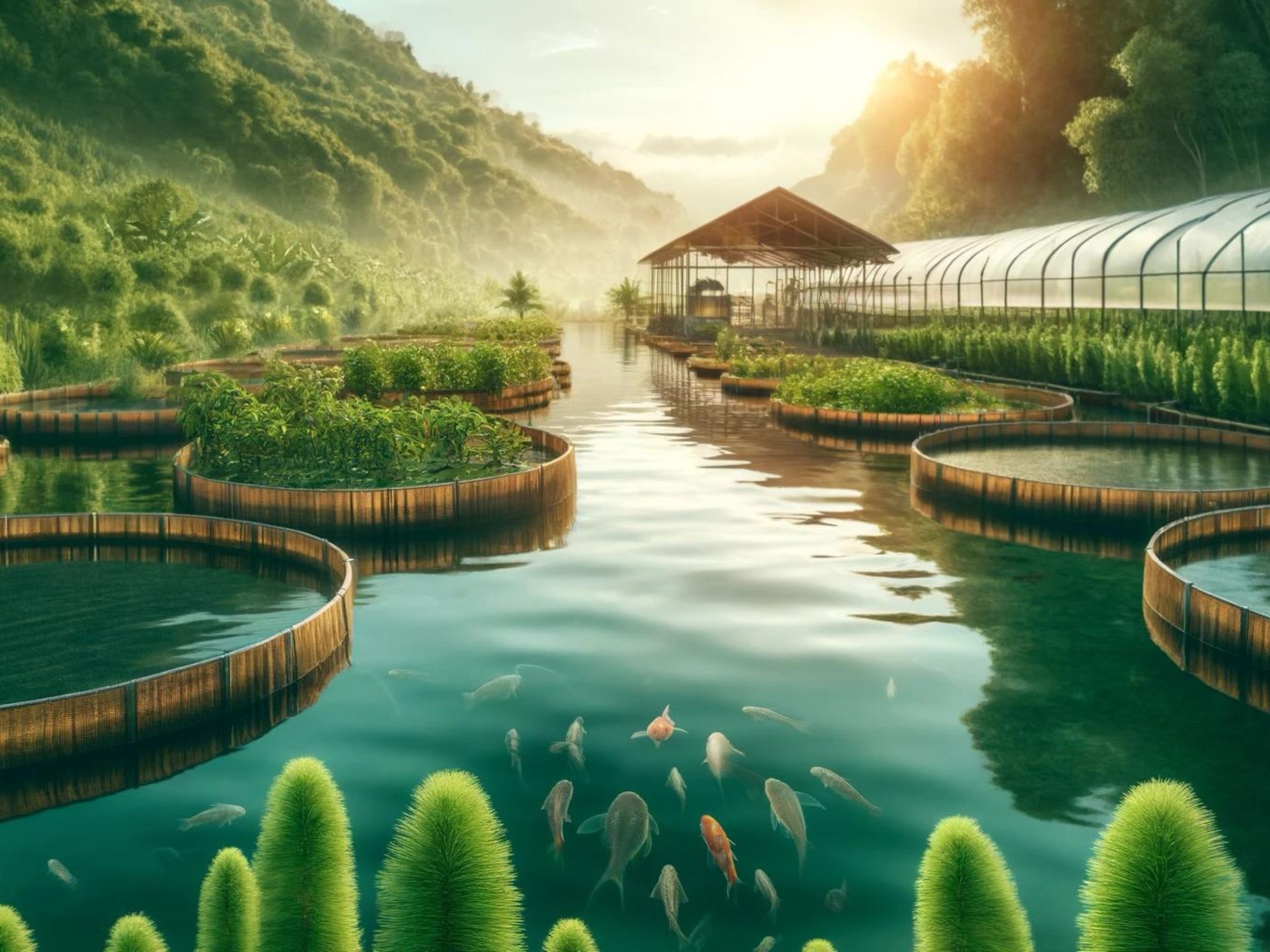
In the world of aquaculture, ensuring the health and growth of aquatic organisms while protecting them from environmental pollutants is a critical challenge. Recently, the focus has shifted toward sustainable solutions like the use of char, a carbonaceous material obtained by pyrolyzing organic matter such as wood and agricultural residues. Char offers remarkable benefits for aquaculture, promising a healthier environment for aquatic life and better quality food products for human consumption.
Char’s capabilities extend across various applications within aquaculture, including water treatment, sediment remediation, and as a dietary supplement for fish. Studies have shown that incorporating char in fish diets enhances growth performance and improves the health of intestinal villi, crucial for nutrient absorption. This not only boosts fish growth but also potentially enhances their immune system and overall health.
However, despite the advantages, there is a significant gap in our understanding of char’s long-term impacts on aquaculture systems. The literature currently lacks in-depth studies on how char affects the removal of pollutants, the transportation of char particles within aquatic organisms, and its overall effects on fish physiology and the aquatic environment. These areas require further research to fully harness char’s potential in aquaculture.
Moreover, the effectiveness of char varies depending on its source material and the conditions under which it is produced. Different types of char—such as biochar, charcoal, and activated charcoal—have distinct properties that influence their efficiency in removing toxins and supporting aquatic life. Understanding these nuances is essential for optimizing char applications in aquaculture to achieve the best results.
As aquaculture continues to grow as a global industry, the integration of char could play a pivotal role in developing more sustainable and environmentally friendly practices. Future studies are encouraged to delve deeper into the mechanisms of char’s action and its practical applications, ensuring that aquaculture remains a viable, productive, and safe food source for the future.



Leave a Reply