
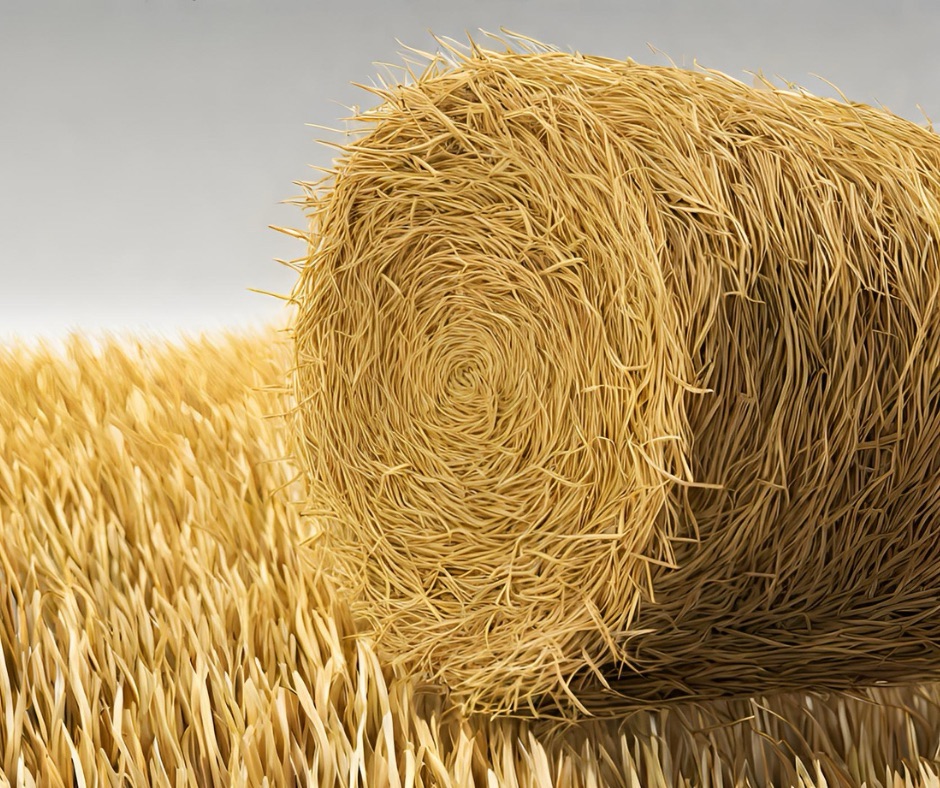
Zhu, Yang, et al (2024) Potential and benefits of biocharBiochar is a carbon-rich material created from biomass decomposition in low-oxygen conditions. It has important applications in environmental remediation, soil improvement, agriculture, carbon sequestration, energy storage, and sustainable materials, promoting efficiency and reducing waste in various contexts while addressing climate change challenges. More production: crop straw management and carbon emission mitigation in Shaanxi Province, China. Environmental Science and Pollution Research. https://doi.org/10.1007/s11356-024-31936-8
Shaanxi Province, a cornerstone of China’s agricultural landscape, faces a challenge: finding profitable uses for its vast amount of crop residue. This study dives into the potential of straw valorization through pyrolysisPyrolysis is a thermochemical process that converts waste biomass into bio-char, bio-oil, and pyro-gas. It offers significant advantages in waste valorization, turning low-value materials into economically valuable resources. Its versatility allows for tailored products based on operational conditions, presenting itself as a cost-effective and efficient More, exploring its economic and environmental benefits.
By analyzing crop straw resources and their carbon footprint, the research paints a clear picture. From 1949 to 2021, straw availability steadily increased, with corn, wheat, and other grains constituting the majority. Importantly, the study identifies Weinan city as a hotspot for straw valorization, boasting the largest resource base and presenting significant carbon emission reduction opportunities.
Using a life cycle assessment model, the researchers compared two scenarios: straw use for power generation and biochar production for energy and soil use. Both scenarios offered substantial carbon emission reductions, with biochar leading the way by potentially mitigating up to 207,000 tons of CO2 equivalent per year in Weinan alone.
But the benefits don’t stop there. Straw pyrolysis promises economic rewards as well. The study estimates an annual income of 67 to 133 million yuan for Weinan, depending on carbon pricing. This opens doors for sustainable waste management and profitable opportunities for farmers.
In conclusion, this research sheds light on the immense potential of agricultural straw valorization in Shaanxi. By utilizing waste and abandoned straw for biochar production, the province can double down on its environmental goals, reduce carbon emissions, and unlock new economic avenues for its agricultural sector. This paves the way for a future where Shaanxi’s abundant resources are transformed into valuable assets, benefiting both the environment and its people.




Leave a Reply